
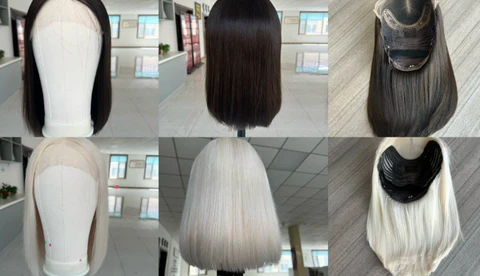
When it comes to versatile, glamorous hairstyles that replicate natural hair movement, deep wave wigs and water wave wigs are among the most sought-after choices. Whether you’re using them to switch up your daily look or to make a glam entrance, these textured wigs — particularly from high-quality lines like OQ Hair — offer volume, bounce, and a realistic curl pattern. However, to maintain that “just-installed” plush, natural appearance, proper care and maintenance are essential. In this article, we explore what deep wave and water wave wigs are, how they differ, and important tips to keep your wig looking lush, soft, and natural for the long haul.
Understanding Deep Wave Wig vs Water Wave Wigs
Before diving into care tips, it’s helpful to know the difference between deep wave and water wave textures:
- Deep Wave Wig– Characterized by tighter, more defined curls that form deep “S” patterns. These curls are typically consistent throughout the wig, giving a full-bodied, voluminous look with a lot of texture. Deep wave wigs often provide a more dramatic, textured style — great for those who love fuller, Afro-centric or boldly curled hair.
- Water Wave Wig– Features looser, more natural-looking waves that resemble the subtle waves your hair might get from air-drying after being damp. Water waves tend to be softer, less structured, and often have a subtle “wet look.” They give a more relaxed, flowy, and effortless vibe — perfect for everyday wear or soft glam.
Whether you choose a deep wave or water wave, both textures can provide a gorgeous head of hair. But each has its own maintenance needs. Treating them right helps ensure your wig stays soft, shiny, and tangle-free.
Washing & Conditioning: The Foundation of Wig Care
- Use gentle, sulfate-free shampoos.
Wigs — especially those that mimic natural hair texture — do not require frequent washing. But when you do wash, choose a sulfate-free shampoo. Sulfates can strip hair of its natural moisture, causing frizz and losing the glossy sheen. Mix a small amount of shampoo into lukewarm water, gently swirling the wig (don’t rub or scrunch). Focus on the roots (lace/machine area) and let the curls naturally flow. - Deep condition regularly.
After shampooing, apply a moisturizing conditioner. Let it sit for 5–10 minutes before rinsing. For extra softness, use a deep-conditioning mask once every 2–4 weeks. Let the mask sit under a plastic cap for about 15–20 minutes and then rinse. This helps keep the curls defined, hydrated, and shiny — preventing dryness or frizz. - Cold-water final rinse.
Rinsing with cold water helps seal the cuticle and lock in moisture, giving the wig a smoother and shinier finish. This also helps curls bounce back more naturally once dried.
Detangling, Drying, and Reviving the Curl Pattern
- Detangle with care — only when necessary.
After washing, gently detangle the wig using a wide-tooth comb or your fingers. Start from the ends and work your way up to avoid breakage or disrupting the curl pattern. Never brush a deep wave wig once it’s dry — that will ruin the curls. For water wave wigs, brushing dry hair may give a loose wave/curl — but this is irreversible and alters the style forever. - Air-dry or use low heat carefully.
The safest way to dry your wig is to let it air-dry on a wig stand. Avoid wringing or scrunching it. If you must use heat, set your blow-dryer to cool or low heat and use a diffuser to minimize frizz. High heat tends to weaken hair fibers, loosen curls, and shorten wig lifespan. - Revive curls with leave-in conditioner or curl spray.
Once dry, spritz a lightweight leave-in conditioner or an alcohol-free curl-refresh spray to rehydrate the hair and bring curls back to life. Scrunch gently to reshape curls as needed. For water wave wigs, a small amount of mousse can add definition without stiffness. For deep wave wigs, a light cream or curl-enhancing lotion works great.
Styling, Heat Use, and Maintaining Natural Appearance
- Minimize heat styling.
To keep curls intact and the hair healthy, avoid frequent flat-ironing or curling with high heat. If styling is necessary, use a low-temperature tool (preferably under 300°F / 150°C), apply a heat protectant spray, and never hold heat on one section too long. - Preserve your natural-looking parting and edges.
To make your wig look more realistic:
- Use a soft foundation or concealer close to your skin tone along the lace part (if your wig is lace-front) to mimic a scalp.
- Lightly pluck a few hairs along the parting line or around the hairline for a more natural density.
- Use minimal glue or adhesive — focus instead on blending with baby hairs or a light edge gel if needed.
- Avoid over-manipulation.
Constant pulling, brushing, or styling can lead to shedding, tangling, and loss of curl definition. Treat the wig gently — comb only when damp and necessary, style sparingly, and avoid heavy accessories that tug on the strands.
Proper Storage and Preservation Between Uses
- Store on a wig stand or mannequin head.
Between wears, place your wig on a wig stand or mannequin head. This preserves its shape and allows proper air circulation — preventing tangling and flattening of curls. If you don’t have a wig stand, gently fold the wig and store it in a satin or silk bag. - Use satin or silk at night.
When wearing the wig overnight, wrap it in a satin or silk scarf, or sleep on a satin pillowcase. Cotton pillowcases absorb moisture and create friction that leads to frizz and breakage. - Moisturize lightly between wears.
If the hair starts to feel dry, mist with water plus a drop of leave-in conditioner, or use a light oil (like argan or jojoba) sparingly. Avoid heavy or greasy products — they can build up over time, dulling the hair’s natural shine and weighing down curls.
Avoiding Common Mistakes: Prolong the Life of Your OQ Hair Wig
- Washing too often: This dries out the hair. Instead, try to wash no more than once every 2–4 weeks, unless you’re regularly using heavy products or exposing the hair to pollution.
- Using harsh shampoos or alcohol-based products: These strip moisture and damage the hair fibers.
- Sleeping without protection: Friction from cotton and tossing around at night leads to tangling and matting.
- Overuse of heat: Frequent straightening or curling will break down the curl pattern and reduce wig lifespan.
- Skipping a deep condition: Wig hair does not regenerate natural oils — conditioning keeps it soft and manageable.
When to Refresh or Replace: Signs Your Wig Needs Attention
Even with the best care, synthetic or human-hair wigs (like those from the OQ Hair line) don’t last forever. Look out for:
- Persistent tangling or matting despite gentle detangling efforts.
- Frizz and dryness that refuse to respond to deep conditioning or leave‑in treatments.
- Shedding or thinning of hair strands, especially around lace or weft areas.
- Loss of bounce or definition in curls — hair looks dull, limp, or straw-like.
If you observe several of these signs, consider getting a fresh wig or giving your current one a professional restyle or deep-reconditioning treatment.
Bonus Tips for Next-Level Natural Wig Look
- Bleach or tint lace carefully: If your wig has a lace front, consider tinting or bleaching the lace so it better matches your scalp tone — but only if you’re comfortable with the process. Use gentle bleach or lace-tint products and avoid over-processing.
- Custom trim and layering: Sometimes a full-bodied wig can look too voluminous for your face. A light custom cut — especially long layers — can make curls fall more naturally and flatter your features.
- Mix with natural hair: If you’re blending a wig with your own edges or natural hair, try light curls or fiber-friendly styling products to achieve cohesion between wig and natural hair — this helps the transition look seamless.
- Use minimal styling for a “wet look” finish: Many love the “just stepped out of the shower” look deep/water wave wigs provide. To preserve that, avoid heavy gels or creams; a light spritz and gentle scrunching help maintain softness without stiffness.
Final Thoughts
Deep wave and water wave wigs from high-quality providers like OQ Hair give you the freedom to transform your look — whether you want dramatic curls or soft, romantic waves. But achieving and sustaining a lush, natural appearance doesn’t just rely on buying the right wig — it demands attentive care and proper maintenance.
By washing gently, conditioning deeply, detangling carefully, drying with low heat or air, avoiding over-manipulation, and storing your wig properly, you can preserve curls, maintain softness, prevent tangling, and prolong the lifespan of your wig. With a few thoughtful habits — like satin storage, occasional moisture sprays, minimal heat styling, and a touch of lace-blending — your wig can look consistently fresh, natural, and ready to impress.
Treat your wig with the same care you’d give to your own hair, and you’ll enjoy that “just-installed” lush, voluminous, and natural look for months. Your deep wave or water wave wig — and your confidence — deserve nothing less.