
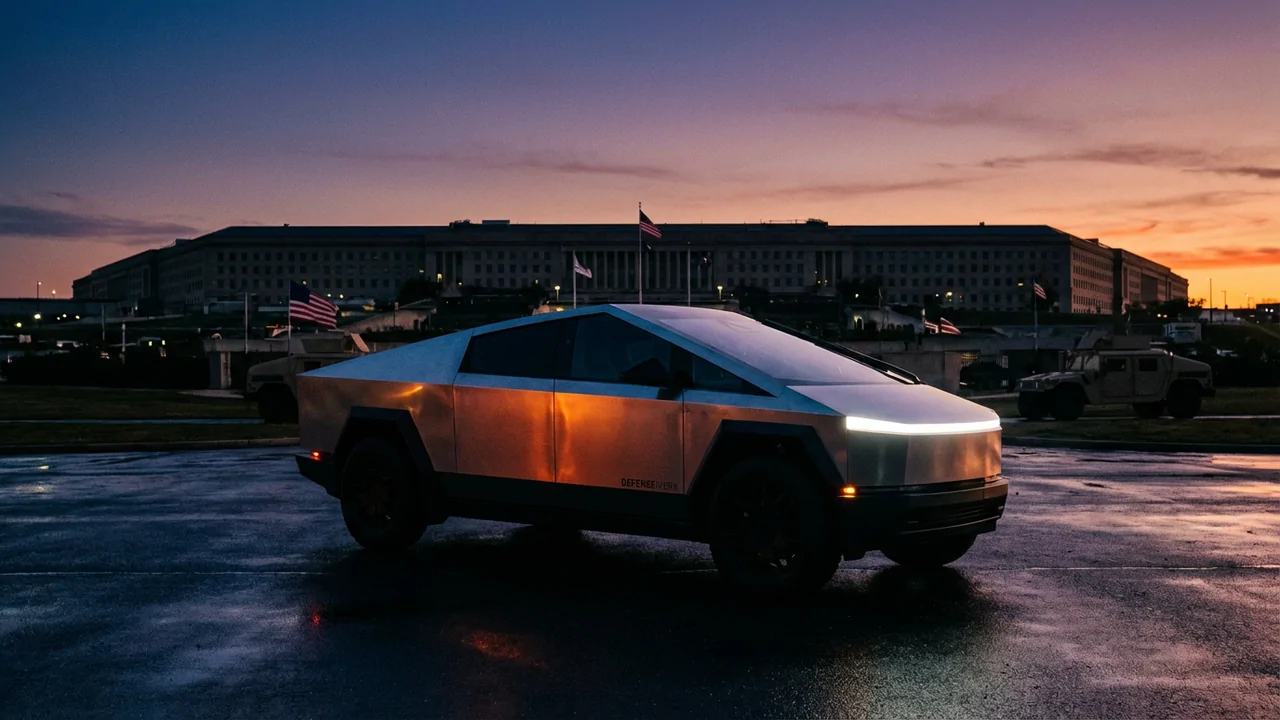
Introduction to the Tesla Cybertruck and its features
The future of military vehicles is no longer confined to the traditional steel behemoths that have dominated battlefields for decades. Enter the Tesla Cybertruck, a striking blend of advanced technology and rugged design that’s turning heads in both civilian and defense sectors. As big tech companies like Tesla step into the arena, they are reshaping not only how we think about transportation but also what’s possible on the front lines.
Imagine a vehicle that combines electric efficiency with armored toughness—this isn’t just a dream; it’s becoming a reality. With its futuristic aesthetics and groundbreaking features, the Cybertruck stands poised to revolutionize military operations as we know them. But can this unconventional machine meet the rigorous demands of defense needs? Let’s delve deeper into how Pentagon Big Tech Tesla Cybertruck could redefine modern warfare and explore its potential impact on our armed forces.
The impact of big tech companies like Tesla on defense industry
Big tech companies like Tesla are reshaping traditional industries, and defense is no exception. Their innovative approaches bring fresh ideas that challenge the status quo.
Tesla’s advanced technologies—like electric powertrains and autonomous capabilities—offer unique solutions for military applications. These advancements can enhance operational efficiency while reducing environmental impact.
Moreover, big tech’s agility allows for rapid development cycles, setting a pace that traditional defense contractors struggle to match. This dynamic fosters competition, leading to better products at potentially lower costs.
Collaboration between the military and these tech giants could also drive significant improvements in logistics and communication systems on the battlefield. Enhanced data analytics from AI-powered tools can offer real-time insights that were previously unimaginable.
The integration of smart technology into defense strategies marks a pivotal shift towards modernization in military operations, ensuring they keep up with evolving threats and challenges around the globe.
Advantages of using the Tesla Cybertruck in military operations
The Tesla Cybertruck brings several advantages to military operations. Its sleek design offers stealth capabilities, making it less detectable in various environments. This can be crucial for reconnaissance missions where staying under the radar is vital.
Durability is another standout feature. The exoskeleton made of ultra-hard 30X cold-rolled stainless steel provides exceptional protection against small arms fire and harsh conditions. Troops can rely on its resilience during challenging deployments.
Moreover, the electric powertrain reduces logistical complexities associated with fuel supply chains. Charging stations could be set up at strategic locations, improving operational efficiency and sustainability.
Advanced technology integration enhances situational awareness as well. Features like autopilot and AI-driven navigation systems offer a significant edge in battlefield scenarios, allowing faster decision-making processes and responsive maneuvering.
Lower maintenance costs compared to traditional vehicles mean more resources can be allocated elsewhere within defense budgets, optimizing overall military readiness.
Potential drawbacks and challenges
While the Pentagon Big Tech Tesla Cybertruck offers innovative features, it also presents several potential drawbacks.
One concern is its unconventional design. The angular body may not be optimal for stealth operations, making it easier to detect in combat situations. Traditional military vehicles prioritize camouflage and low profiles.
Another challenge lies in logistics and maintenance. Military bases might not have experience with electric vehicle technology, complicating repairs and support.
Range anxiety could also hinder performance during long missions. Charging infrastructure on the battlefield is still limited, raising questions about operational readiness.
While Tesla has a strong reputation for innovation, reliance on a single tech company could pose risks if supply chains are disrupted or if strategic partnerships falter. Adopting such advanced technology requires careful consideration of these factors before deployment in military settings.
Comparison with traditional military vehicles
When comparing the Tesla Cybertruck to traditional military vehicles, several key differences emerge. The Cybertruck boasts a futuristic design and advanced materials like ultra-hard stainless steel. This offers enhanced durability against various threats.
Traditional military vehicles often rely on heavy armor, which can increase weight and reduce mobility. In contrast, the lightweight construction of the Cybertruck allows for quicker maneuvers on challenging terrain.
Another significant difference lies in technology integration. While conventional military options may use outdated systems, the Cybertruck is built with cutting-edge software capabilities. This includes real-time data processing and autonomous driving features that could revolutionize tactical operations.
Fuel efficiency is another area where the electric-powered Cybertruck shines compared to diesel-fueled counterparts. Reduced logistics costs could greatly benefit extended missions away from supply lines.
These distinctions paint a compelling picture of how innovative designs can reshape defense strategies while maintaining effectiveness in diverse environments.
Future possibilities and developments
The future of the Pentagon Big Tech Tesla Cybertruck holds immense promise. As military operations evolve, so do the demands for advanced technology in defense.
Imagine a fleet of Cybertrucks equipped with cutting-edge surveillance systems and autonomous driving capabilities. This could drastically enhance reconnaissance missions while minimizing human risk.
Additionally, advancements in AI integration might allow these vehicles to communicate seamlessly during complex operations. Real-time data sharing could lead to quicker decision-making on the battlefield.
Sustainability also plays a key role. With electric power sources, the Cybertruck offers an eco-friendly alternative that reduces logistical challenges related to fuel supply chains.
Collaboration between engineers and military strategists will be crucial in unlocking new functionalities. Exploring modular designs can tailor each vehicle’s capabilities according to mission needs, ensuring maximum versatility in diverse environments.
Conclusion
The Tesla Cybertruck has emerged as a game-changer in various sectors, and its potential application within the defense industry raises many intriguing possibilities. As big tech companies like Tesla continue to innovate, they are reshaping traditional paradigms of military operations. The unique features of the Cybertruck—such as durability, electric powertrain efficiency, and advanced technology integrations—position it well for future use by the Pentagon.
However, while advantages abound, there are challenges to consider. The transition from conventional military vehicles to something so radically different is not without hurdles. Cost implications, integration with existing systems, and logistical support must all be carefully evaluated.
As we look ahead at this intersection of technology and defense strategy, it’s clear that innovative vehicles like the Tesla Cybertruck could play a significant role in modernizing military fleets. Adapting such technology can lead to enhanced operational capabilities while also addressing environmental concerns through decreased carbon footprints.
The evolving landscape of warfare necessitates fresh approaches and solutions. Embracing advancements from big tech might just pave the way for a more efficient and effective military operation model that meets contemporary demands head-on. It’s an exciting time for both defense contractors and technological innovators alike as they explore these uncharted territories together.