
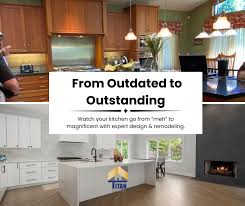
A kitchen is more than just a place to prepare meals; it is a gathering hub, a creative space, and often the most valued area in a home. Over time, however, even the most functional kitchens can begin to feel outdated, inefficient, or disconnected from the rest of the living space. As lifestyles evolve and design preferences shift, many homeowners find themselves longing for a kitchen that reflects both contemporary aesthetics and practical needs. This is where the concept of a full transformation becomes especially meaningful.
Whether motivated by aging cabinetry, insufficient storage, awkward layouts, or simply the desire for a refreshed environment, redesigning a kitchen offers an opportunity to create a customized space that better supports daily routines. The process can be deeply rewarding, but it also involves thoughtful planning, budgeting, and strategic decision-making. When approached with clarity and intention, a carefully executed renewal project can enhance a home’s value, improve efficiency, and dramatically elevate quality of life.
Understanding the Purpose Behind a Kitchen Upgrade
Before beginning any project, it is important to take time to clearly define the purpose of the transformation. Some homeowners may be focused on modernizing outdated finishes, while others may need structural changes such as rerouting plumbing, expanding floor space, or adjusting the layout for better flow. Others may wish to incorporate advanced appliances or environmentally friendly options that reduce energy consumption.
Identifying these priorities early can shape the entire process. For example, a homeowner aiming to create a more open-concept environment may need to evaluate whether structural walls can be removed. Someone prioritizing functionality may invest in custom cabinetry, deep drawers, or pull-out organizer systems. By setting specific goals, it becomes easier to establish a realistic budget and timeline and avoid making costly or unnecessary changes later.
The Importance of a Functional Layout
A well-designed kitchen should support intuitive movement. Professional designers often refer to the “work triangle,” a principle that places the stove, sink, and refrigerator within a convenient, triangular formation. While modern design sometimes breaks from this traditional rule, the idea behind it remains relevant: the most essential tasks in a kitchen should be easy, accessible, and efficient.
Beyond the work triangle, other layout considerations can significantly affect usability. Islands, for example, can add valuable counter space, seating, and storage, but an island placed too close to surrounding cabinets can create crowding. Similarly, placing the dishwasher far from the sink can become an ongoing inconvenience. Good planning ensures these elements complement one another rather than create obstacles.
For homes with multiple cooks or frequent entertaining, an expanded layout may be ideal. Dual prep areas, additional sinks, or beverage stations can improve flow and reduce congestion. The most successful designs carefully balance beauty with practicality, creating a space that is both stylish and comfortable for everyday use.
Choosing the Right Materials for Long-Term Durability
Materials play a significant role in both the appearance and lifespan of a kitchen. With countless options available, making the right choices can feel overwhelming. Yet, investing in durable and high-quality finishes almost always pays off over time.
Countertops, for example, come in a wide variety of materials ranging from quartz and granite to butcher block, marble, and engineered surfaces. Quartz is favored for its durability and low maintenance, while natural stone offers unique color patterns and luxury appeal. Cabinetry material also requires careful selection. Solid wood, plywood, and engineered wood choices each have advantages depending on budget and aesthetic preference.
Flooring must withstand heavy foot traffic, moisture, and potential spills. Popular options include tile, hardwood, and luxury vinyl planks. Each provides distinct benefits: tile offers excellent durability, hardwood brings warmth and charm, and luxury vinyl provides water resistance and comfort underfoot.
Every material chosen contributes not only to appearance but also to everyday convenience. A thoughtfully curated combination ensures the kitchen not only looks beautiful on day one but continues to age gracefully.
Integrating Modern Technology and Smart Enhancements
Technology has become a defining feature of modern home design, and nowhere is this more evident than in the kitchen. Today’s homeowners have access to smart appliances, touchless faucets, built-in charging stations, and voice-controlled lighting systems. These enhancements do far more than add novelty; they can streamline daily routines and significantly increase energy efficiency.
Smart refrigerators can provide grocery updates, track expiration dates, or even display digital calendars. Ovens can be preheated remotely from a mobile device. Lighting can adjust automatically based on time of day or ambiance preferences. Adding USB ports or hidden charging drawers can help keep counters clutter-free.
For those seeking sustainable options, energy-efficient dishwashers, induction cooktops, and LED lighting are excellent investments. These not only reduce environmental impact but also offer long-term cost savings. Technology may not be the first thing that comes to mind when planning a transformation, but integrating these features can elevate a kitchen from simply updated to truly future-ready.
Balancing Aesthetics and Personal Style
While functionality serves as the foundation, the aesthetic design of a kitchen influences how welcoming and enjoyable the space feels. Colors, textures, lighting, and décor all contribute to the overall experience. Many homeowners choose neutral palettes for cabinets and countertops, adding personality through hardware, backsplashes, and accent décor. Others prefer bold, statement-making choices that define the character of the entire room.
Lighting deserves special attention. A well-balanced kitchen typically includes three types of lighting: ambient lighting for overall brightness, task lighting for work surfaces, and accent lighting to highlight design features. This combination ensures the space feels warm, bright, and visually appealing.
Backsplashes have become one of the most creative aspects of kitchen design. From sleek subway tiles to mosaic patterns and handcrafted ceramics, the possibilities are nearly endless. A well-chosen backsplash can unify the room’s design or introduce a striking focal point.
Personal style plays a critical role in shaping a kitchen that resonates emotionally. Whether one prefers rustic charm, sleek minimalism, or eclectic creativity, the goal is to create a space that truly feels like the heart of the home.
Managing the Budget Effectively
Budget management remains one of the most challenging aspects of home improvement. Kitchen upgrades vary widely in cost depending on the size of the space, the scope of changes, and the materials used. Establishing a clear and realistic budget early in the process helps avoid overspending and reduces stress.
Labor costs often make up a significant portion of total expenses, especially for structural changes or extensive electrical and plumbing work. Appliances can also represent a substantial investment if high-end models are chosen. Cabinets tend to be one of the largest individual costs, particularly if custom designs are selected.
It is wise to set aside a contingency fund for unexpected expenses. Hidden plumbing issues, outdated wiring, or structural complications can emerge once demolition begins. By preparing for these possibilities, homeowners can navigate challenges more smoothly.
Prioritizing essential changes first and leaving optional upgrades for later can also help manage expenses. A phased approach may be appropriate for those working within tighter budgets.
The Emotional Impact of Design Transformation
A well-executed transformation can significantly influence day-to-day living. Beyond improved efficiency and visual appeal, many homeowners report a renewed sense of pride and joy in their homes. A refreshed kitchen can encourage healthier cooking habits, more family gatherings, and a deeper sense of comfort within the home environment.
Because the kitchen often serves as a social hub, enhancing the space can positively impact relationships and routines. Whether it becomes a space for entertaining, experimenting with new recipes, or simply enjoying a quiet morning coffee, the emotional rewards of a transformed environment are meaningful and lasting.
Long-Term Benefits and Home Value
Investing in a kitchen upgrade typically yields strong returns. Real estate professionals consistently cite the kitchen as one of the most important areas influencing a home’s resale value. A modernized, efficient, and visually appealing kitchen often becomes a major selling point, attracting buyers and justifying higher listing prices.
Even homeowners with no immediate plans to sell can enjoy long-term benefits. Reduced maintenance, increased energy efficiency, and improved functionality can make daily living easier for years to come. In many cases, the value gained extends far beyond the initial investment.
Bringing It All Together
The process of renewing a kitchen involves a blend of creativity, planning, and practical decision-making. With the right approach, homeowners can transform an outdated or inefficient space into one that fully aligns with their lifestyle and preferences. Whether the goal is enhanced functionality, contemporary aesthetics, or long-term value, a thoughtfully designed kitchen can profoundly elevate the everyday experience of home life.
For many homeowners, engaging in kitchen remodeling in Phoenixville becomes not only a practical improvement but a personal journey toward creating a more meaningful living environment. The decisions made along the way from materials and layout to lighting and technology shape the character and functionality of the space for years to come. With careful preparation and thoughtful design, the entire process can be both manageable and inspiring.
As priorities shift and lifestyles evolve, more families are discovering the value of kitchen remodeling as a way to refresh their homes, improve efficiency, and embrace modern living. An updated kitchen blends style with functionality, serving as a space where creativity, connection, and comfort thrive. By exploring new design ideas, maximizing available space, and choosing quality materials, homeowners can create a warm and welcoming environment that enhances daily life.
Ultimately, kitchen remodeling represents more than just a home improvement project; it is an investment in comfort, creativity, and long-term satisfaction. A beautifully transformed space enriches everyday routines, brings people together, and stands as a lasting reflection of personal style and thoughtful design.