
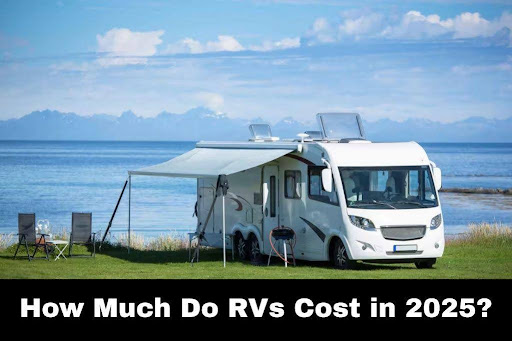
Understanding the true cost of RV ownership begins with honest, transparent pricing information. In 2025, the RV market has shifted dramatically from the pandemic-era frenzy, creating opportunities for savvy Texas buyers who know what to look for. If you’re shopping for an RV in the Dallas-Fort Worth area, working with a reputable DFW RV Dealership ensures you get accurate pricing without hidden surprises that plague many first-time buyers.
The sticker price you see advertised represents just the beginning of your financial commitment, and many aspiring RV owners underestimate the total investment required for comfortable, worry-free travels.
New RV Price Ranges by Type (2025 Texas Market)
RV pricing varies dramatically based on type, size, features, and manufacturer. Here’s what Texas buyers can expect to pay in today’s market.
Travel Trailers
Travel trailers remain the most affordable entry point into RV ownership, with 2025 prices ranging from $14,000 to $150,000 depending on size and amenities.
Entry-level models under 20 feet from manufacturers like Forest River and Gulf Stream start around $20,000 to $35,000. These compact trailers offer basic amenities including sleeping for 2-4 people, small kitchenettes, and bathroom facilities.
Mid-range travel trailers spanning 25-32 feet cost $35,000 to $75,000. Popular models like the Jayco Jay Flight, Grand Design Imagine, and Keystone Passport provide better construction quality, residential appliances, and comfortable living spaces for families.
Luxury travel trailers exceeding 32 feet command $75,000 to $150,000. Brands like Airstream, Grand Design Reflection, and Alliance Paradigm feature premium materials, advanced climate control systems, and residential-grade furniture.
Fifth Wheels
Fifth wheels offer more living space and amenities than comparable-length travel trailers, with prices ranging from $40,000 to $150,000 for most models.
Entry-level fifth wheels start around $40,000 to $60,000 for basic models from manufacturers like Forest River and Keystone. These provide adequate space for couples or small families with standard RV appliances and furnishings.
Mid-range fifth wheels priced $60,000 to $100,000 dominate Texas dealership lots. Models like the Grand Design Reflection, Jayco Eagle, and Forest River Cardinal deliver spacious interiors, multiple slide-outs, and quality construction.
Luxury fifth wheels from brands like DRV Mobile Suites, New Horizons, and Luxe exceed $100,000, with top models reaching $150,000 or more. These units feature residential appliances, washer-dryer hookups, and premium construction rivaling luxury apartments.
Class C Motorhomes
Class C motorhomes built on van or truck chassis range from $80,000 to $200,000 in the 2025 market. Just as travelers seeking BestCafes as a platform for finding quality establishments value convenience and reliability, RV buyers appreciate Class C motorhomes for their drivability and smart use of space.
Entry-level Class C models from Thor Motor Coach, Coachmen, and Forest River start around $80,000 to $120,000. These typically measure 24-28 feet and sleep 6-8 people with overhead cab bunks.
Mid-range Class C motorhomes priced $120,000 to $160,000 offer better engines, improved suspension, and upgraded interiors. Popular models include the Winnebago View, Thor Quantum, and Jayco Redhawk.
Luxury Class C coaches from Dynamax and Leisure Travel Vans exceed $160,000, with premium models reaching $200,000. These feature Mercedes or Ford diesel chassis, high-end cabinetry, and luxury appointments throughout.
Class B Campervans
Class B campervans represent the premium end of the van conversion market, with 2025 prices ranging from $70,000 to $150,000.
Standard Class B vans from Roadtrek, Winnebago, and Pleasure-Way start around $70,000 to $100,000. These compact RVs maximize space efficiency with clever storage, convertible furniture, and wet bath facilities.
Luxury Class B models from Airstream Interstate, Winnebago Revel, and Storyteller Overland command $100,000 to $150,000. These feature four-wheel drive capability, solar power systems, and adventure-ready components for off-grid camping.
Class B vans appeal to couples and solo travelers who prioritize fuel efficiency, easy parking, and stealth camping capability over living space.
Class A Motorhomes
Class A motorhomes represent the pinnacle of RV luxury, with 2025 prices spanning $150,000 to over $750,000.
Entry-level Class A coaches start around $150,000 to $200,000 for gas-powered models from Thor, Coachmen, and Winnebago. These typically measure 32-36 feet and provide spacious living areas on Ford or Chevrolet chassis.
Mid-range Class A motorhomes priced $200,000 to $400,000 dominate the luxury RV segment. Diesel-powered models from Tiffin, Newmar, and Entegra offer superior ride quality, stronger chassis, and residential-grade interiors.
Ultra-luxury Class A coaches exceed $400,000, with custom models reaching $750,000 or more. Manufacturers like Newell, Foretravel, and Prevost deliver hand-crafted interiors, commercial-grade chassis, and amenities rivaling luxury hotels.
The Real Cost Breakdown: Beyond the Purchase Price
The advertised RV price represents only a portion of your total investment. Understanding complete ownership costs prevents budget shock after purchase.
Immediate Costs
Sales tax in Texas adds 6.25% state tax plus local taxes up to 2%, totaling 8.25% in many DFW areas. A $50,000 travel trailer incurs $4,125 in sales tax alone.
Registration and title fees vary by county but typically cost $200-$500 initially. Annual registration renewal runs $50-$150 depending on RV weight and value.
Dealer prep fees represent legitimate charges for cleaning, safety checks, and delivery preparation. Reasonable prep fees range $500-$1,500, but some dealers inflate these charges to $3,000 or more. Always negotiate dealer fees or shop elsewhere if excessive.
Extended warranties cost $2,000-$8,000 depending on RV value and coverage duration. Quality extended warranties from reputable providers like Wholesale Warranties or Good Sam offer value for buyers planning extensive travel. Avoid dealer-branded warranties with restrictive terms and limited service networks.
Ongoing Annual Costs
Insurance premiums for RVs average $500-$1,500 annually depending on RV value, usage, and coverage levels. Full-time RVers pay higher premiums than occasional weekend campers. Comprehensive coverage including roadside assistance, personal effects, and vacation liability costs more but provides essential protection.
Storage fees in the DFW area range $50-$300 monthly depending on facility type and amenities. Uncovered outdoor storage costs $50-$100 monthly, covered storage runs $100-$200 monthly, and climate-controlled indoor storage exceeds $200-$300 monthly. Many Texas RVers pay $1,200-$3,600 annually just for storage.
Maintenance costs average $1,000-$3,000 annually for routine upkeep including oil changes, tire rotations, roof inspections, and system servicing. Older RVs or heavy users spend considerably more on repairs and component replacements.
Depreciation hits hardest during the first year, with new RVs losing 20-30% of value immediately. A $60,000 travel trailer might be worth only $42,000-$48,000 after one year. Depreciation slows after the initial period but continues at 5-10% annually.
Why RV Prices Increased So Dramatically
RV prices have surged significantly over the past seven years, with some models increasing 44% since 2018. Understanding these price drivers helps buyers navigate today’s market.
Post-Pandemic Demand
The COVID-19 pandemic triggered unprecedented RV demand as families sought safe vacation alternatives to hotels and airlines. Manufacturers struggled to meet demand, and buyers accepted higher prices to secure available inventory.
RV shipments exceeded 600,000 units in 2021, nearly double pre-pandemic levels. This demand surge allowed manufacturers and dealers to maintain premium pricing that persists in 2025.
Material and Labor Costs
Raw material prices skyrocketed during 2020-2023, with steel and aluminum costs rising over 40%. These essential RV construction materials directly impact manufacturing costs that manufacturers pass to consumers.
Appliances, cabinetry, flooring, and electronics all increased substantially. A residential refrigerator that cost manufacturers $800 in 2019 now costs $1,200 or more, and every RV contains dozens of such components.
Labor shortages throughout the RV industry increased wage costs as manufacturers competed for skilled workers. Higher wages necessarily translate to higher RV prices.
Tariffs and Inflation
Import tariffs on steel, aluminum, and finished components added costs to RV production. Many RV appliances and systems are manufactured overseas, making them subject to various tariffs that increase final prices.
General inflation running 5-7% annually compounds the impact of material cost increases. While broader inflation measures show 23.9% cumulative increase since 2018, RV-specific inflation reached 44% for some models due to concentrated supply chain disruptions affecting the industry.
The 2025 Market Reality: Buyer’s Market Emerging
After years of seller-favorable conditions, the RV market is shifting toward buyers in 2025, creating negotiation opportunities for informed shoppers.
Record Inventory Levels
Over 91,800 new 2025 model RVs currently sit on dealer lots nationwide, representing months of excess inventory. Additionally, more than 10,000 unsold 2024 models remain available as dealers scramble to clear space for incoming inventory.
This inventory glut reverses the pandemic-era shortages when buyers paid above MSRP for available units. Texas dealerships particularly struggle with excess inventory due to hot summer months slowing sales.
Negotiation Leverage
Excess inventory gives buyers substantial negotiation power. Real-world examples show significant discounts for persistent negotiators.
One Texas buyer recently purchased a fifth wheel with $183,000 MSRP for just $112,000-a $71,000 discount or 39% below sticker price. While not every negotiation yields such dramatic results, discounts of 15-25% below MSRP are increasingly common for patient buyers.
Dealers face floor plan financing costs on aging inventory, motivating them to accept lower margins rather than carry units through another season. Month-end and year-end timing further increases dealer motivation.
Best Time to Buy
Late 2025 presents optimal buying conditions as 2026 models arrive at dealerships. Dealers must clear 2024 and 2025 inventory to make room, creating urgency that benefits buyers.
September through November traditionally offers the best deals as camping season ends and dealers reduce inventory before winter. However, 2025’s excess inventory means strong negotiating opportunities exist year-round.
Holiday weekends often feature sales events, but mid-week shopping when dealerships are quieter may yield better attention and negotiating flexibility from sales staff.
New vs Used: The Texas Buyer’s Decision
Choosing between new and used RVs requires evaluating priorities, budget, and intended usage patterns.
New RV Advantages
Manufacturer warranties provide 1-3 years of bumper-to-bumper coverage plus extended warranties on major components. This protection offers peace of mind for buyers unfamiliar with RV systems and maintenance requirements.
Latest features and technology include improved climate control, better insulation, upgraded entertainment systems, and modern appliances. Safety features like backup cameras, blind spot monitoring, and improved braking systems enhance travel confidence.
Financing incentives from manufacturers include low-interest rates, extended terms, and promotional periods with reduced or zero interest. New RV loans often carry better terms than used RV financing.
No hidden problems eliminate concerns about previous owner neglect, accident damage, or deferred maintenance that plague many used RVs.
Used RV Advantages
Immediate 20-40% savings compared to equivalent new models make used RVs attractive for budget-conscious buyers. A three-year-old RV in excellent condition costs significantly less than identical new units while providing similar functionality.
Already depreciated means used RV buyers avoid the steep first-year value loss. Selling a used RV after several years results in smaller financial loss than selling a new RV after the same period.
Established reliability data for specific models helps buyers avoid problematic units. Online forums and owner groups provide detailed feedback about various RV models, revealing which hold up well and which suffer chronic issues.
More RV for your budget becomes possible when buying used. A buyer with $80,000 budget can afford a basic new travel trailer or a well-maintained used luxury fifth wheel with superior features and space.
When to Buy New vs Used
Buy new if you plan extensive travel immediately after purchase, lack mechanical knowledge for evaluating used RVs, want the latest features and warranties, or prioritize having a pristine unit without previous wear.
Buy used if you’re budget-limited, have RV experience to evaluate condition, accept some cosmetic wear for functional savings, or plan minimal usage where warranty value is limited.
Financing Realities in 2025
RV financing differs substantially from auto loans, requiring careful consideration of terms and long-term implications.
Interest Rates and Loan Terms
Interest rates for RV loans in 2025 typically range 6-8% for qualified buyers, significantly higher than the 3-4% rates available during 2020-2021. Credit scores below 700 face higher rates of 8-12% or loan denial.
Loan terms extend up to 20 years for expensive RVs, making monthly payments manageable but dramatically increasing total interest paid. A $75,000 RV financed at 7% for 20 years costs $582 monthly but totals $139,680 in payments-nearly double the original loan amount.
Shorter 10-12 year terms reduce total interest but increase monthly payments. Balance loan term against realistic usage expectations since many RVs sit unused for extended periods while owners continue making payments.
Down Payment Expectations
Lenders typically require 10-20% down payment for RV loans. Larger down payments secure better interest rates and reduce monthly payment burden.
A $50,000 travel trailer with 20% down ($10,000) and 7% interest over 12 years costs $398 monthly. The same trailer with 10% down ($5,000) costs $443 monthly-a $45 difference adding $6,480 over the loan term.
Trade-in equity from existing RVs or savings specifically accumulated for RV purchase provide down payment funds. Avoid using emergency funds or retirement savings for RV down payments.
Pre-Approval Advantages
Obtaining pre-approved financing before visiting dealerships strengthens negotiating position. Pre-approval establishes budget limits, prevents impulse purchases beyond your means, and eliminates dealer financing markup.
Credit unions often offer better RV loan rates than banks or dealer financing. Texas credit unions like TDECU, Velocity Credit Union, and Nuvision specialize in RV financing with competitive rates and flexible terms.
Compare at least three lenders before accepting any financing offer. Even small rate differences dramatically impact total cost over lengthy loan terms.
Hidden Cost Warning Signs
Unscrupulous dealers inflate prices through various fees and add-ons that buyers can and should challenge.
Dealer Fees to Watch For
Documentation fees legitimately cost $200-$500 for title processing and paperwork preparation. Fees exceeding $1,000 represent pure profit padding-negotiate these down or shop elsewhere.
Destination charges cover transporting RVs from manufacturers to dealerships. These typically range $1,000-$3,000 and are usually non-negotiable, but verify they’re not duplicated in other line items.
Pre-delivery inspection fees separate from doc fees are often unnecessary padding. Most dealers include PDI in their margin, and separate charges of $500-$1,500 deserve negotiation.
Paint protection, fabric protection, and undercoating packages cost $1,000-$3,000 but provide minimal value. These aftermarket add-ons carry huge dealer profit margins and should be declined.
Extended service contracts sold at dealerships include substantial markup over wholesale cost. Purchase extended warranties separately from third-party providers at significant savings.
What’s Negotiable
Nearly everything except government fees and legitimate shipping charges is negotiable. The advertised price represents the dealer’s starting position, not their minimum acceptable price.
Trade-in values, extended warranties, accessories, and all dealer-added fees can be negotiated. Prepare to walk away if dealers refuse reasonable terms-another dealer will likely accept your offer given current inventory conditions.
Request itemized “out the door” pricing including all fees, taxes, and charges before negotiating. This prevents surprise costs appearing at contract signing.
Real Budget Planning for Texas RVers
Understanding true usage costs helps determine whether RV ownership makes financial sense for your situation.
Cost Per Mile
Operating costs for RVs average $1.50-$2.00 per mile including fuel, maintenance, insurance, and depreciation. A 1,000-mile Texas road trip costs $1,500-$2,000 in actual RV expenses.
Fuel represents the largest variable cost. Large Class A motorhomes average 6-8 MPG, while truck-towed travel trailers achieve 10-12 MPG, and Class B vans reach 15-18 MPG. Texas gasoline at $3.00/gallon means fuel alone costs $0.19-$0.50 per mile depending on RV type.
Add campground fees, food, activities, and incidentals for complete trip budgets. A week-long Texas RV trip covering 800 miles costs $2,500-$4,000 for a family of four.
When RV Ownership Makes Financial Sense
RV ownership becomes cost-effective when you travel frequently enough to offset fixed costs like payments, insurance, and storage. Families taking 4-5 RV trips annually totaling 40-50 nights generally break even compared to hotel travel.
Less frequent users spend $15,000-$25,000 on RV ownership costs annually while using the RV just 10-15 nights-making each camping night cost $1,000-$2,500 when accounting for all expenses. These buyers might save money renting RVs for occasional trips.
Frequent travelers using RVs 60+ nights annually justify ownership costs through accumulated savings versus hotels and enjoy the convenience of having their RV ready anytime.
Conclusion
RV costs in 2025 span an enormous range from $14,000 entry-level travel trailers to $750,000 luxury motorhomes, with hidden costs beyond purchase price significantly impacting total ownership expenses. Texas buyers benefit from shifting market dynamics that favor negotiation as excess inventory creates buyer leverage.
Understanding real pricing, identifying negotiable fees, and calculating complete ownership costs ensures you make informed decisions aligned with your budget and travel plans. The current market conditions offer opportunities for substantial savings, but only for buyers who research thoroughly and negotiate confidently.
Whether you’re buying your first travel trailer or upgrading to a luxury fifth wheel, honest pricing conversations with reputable Texas dealerships protect you from common pitfalls that trap uninformed buyers. Take time to calculate real costs, secure pre-approved financing, and negotiate firmly for fair prices that reflect today’s buyer-favorable market conditions.