
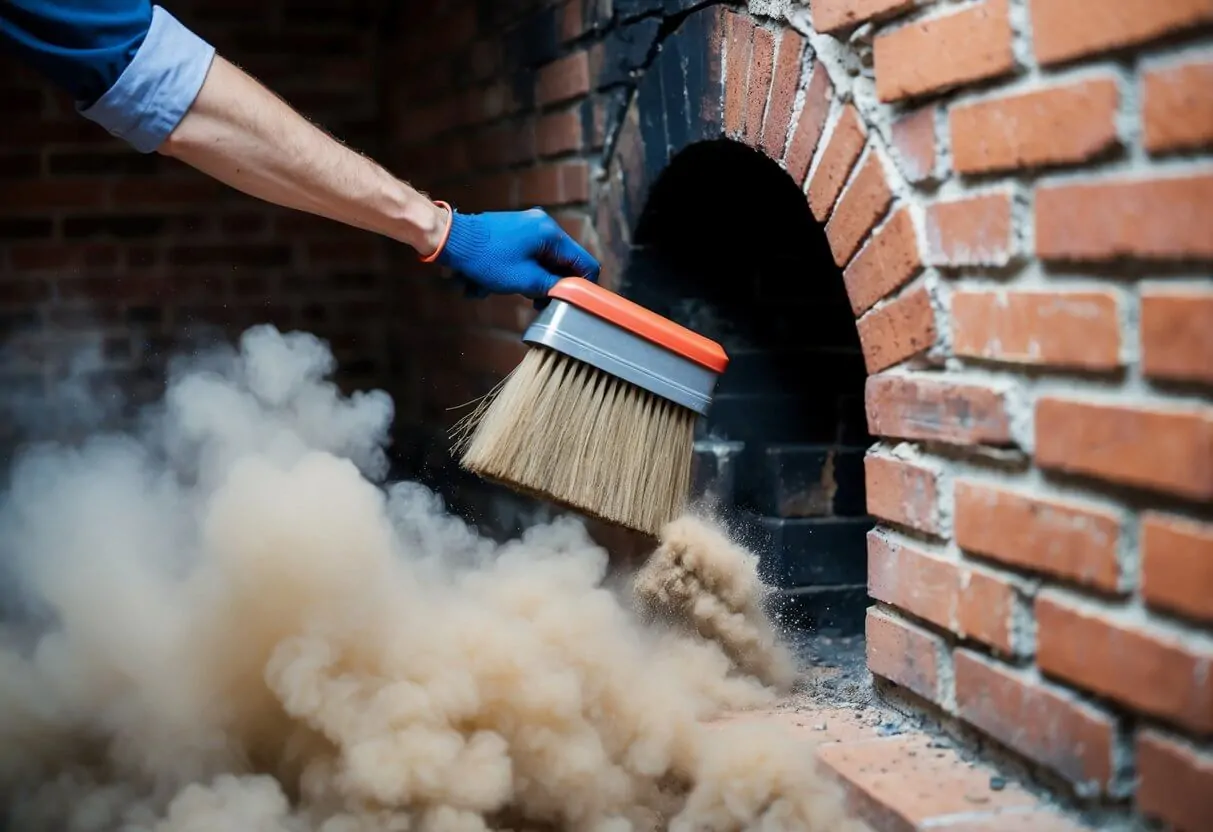
Maintaining a clean and functional chimney is essential for any household that uses a fireplace or wood stove. Over time, chimneys accumulate soot, creosote, and other debris, which can cause serious safety hazards if not properly addressed. Chimney cleaning is a crucial process that ensures the safe operation of your fireplace, improves indoor air quality, and enhances energy efficiency. In this comprehensive guide, we will explore the importance of chimney cleaning, methods and techniques used, signs that indicate your chimney needs attention, and practical tips for maintaining a safe and efficient chimney system.
Why Chimney Cleaning is Important
A chimney is designed to safely vent smoke and gases from your fireplace or stove to the outside. However, repeated use results in the buildup of soot, creosote, and other combustion byproducts inside the flue. Creosote, in particular, is highly flammable and can ignite, causing dangerous chimney fires. Even a small accumulation of creosote poses a significant risk to your home and family.
Regular chimney cleaning eliminates these hazardous deposits, ensuring that smoke and gases are effectively vented outside. Clean chimneys also improve the efficiency of your fireplace or stove, allowing fires to burn hotter and more evenly. Additionally, a clean chimney reduces unpleasant odors and prevents smoke from entering living spaces, promoting healthier indoor air quality.
Neglecting chimney maintenance can result in more than just fire hazards. Blockages caused by soot, bird nests, or debris can obstruct airflow, causing smoke or dangerous gases like carbon monoxide to seep into the home. This makes regular chimney cleaning not just a maintenance task, but a crucial step in safeguarding your household.
Understanding the Process of Chimney Cleaning
Chimney cleaning is not simply a matter of brushing away soot. Professional chimney sweeps use specialized tools and techniques to thoroughly clean, inspect, and maintain the chimney system. One common method involves a rotary brush or flexible rods that scrub the interior of the flue, loosening soot and creosote deposits. These deposits are then collected and safely removed from the home.
Advanced cleaning techniques may also include vacuum systems specifically designed for chimneys. These vacuums capture fine soot particles and prevent them from spreading into the living space. Some professional services use chemical treatments to break down hardened creosote, making the cleaning process more effective.
Video inspections have become an essential part of modern chimney cleaning. By inserting a small camera into the flue, technicians can detect hidden blockages, structural damage, or moisture-related issues. This allows for precise cleaning and helps identify potential problems before they escalate into costly repairs.
Signs That Your Chimney Needs Cleaning
Homeowners should be aware of the warning signs that indicate the need for chimney cleaning. Visible soot buildup around the fireplace or chimney opening is one of the most obvious indicators. Excessive smoke entering the home or difficulty in lighting a fire can also suggest blockages or a dirty flue.
Unpleasant odors coming from the fireplace or chimney are another sign. These odors often result from accumulated creosote or moisture damage. Additionally, if you notice any cracks, loose bricks, or deteriorating mortar in the chimney structure, it is essential to have the chimney inspected. Timely cleaning and maintenance prevent further damage and ensure the chimney functions safely.
Chimney cleaning is also recommended if the fireplace produces a yellow or orange flame instead of a bright blue one. This can indicate inefficient combustion caused by soot or debris inside the flue. Regular professional cleaning eliminates these problems, allowing your fireplace to operate efficiently and safely.
Benefits of Professional Chimney Cleaning
While some homeowners attempt to clean their chimneys themselves, hiring a professional for chimney cleaning offers several advantages. Professionals have the proper tools, training, and experience to clean chimneys thoroughly and safely. They can reach areas that are difficult or dangerous for an untrained individual to access.
In addition to cleaning, professionals often provide detailed inspections to identify structural weaknesses, blockages, or flue obstructions. This proactive approach prevents costly repairs and ensures the long-term safety of the chimney.
Professional chimney cleaning also improves efficiency. A clean chimney allows for better airflow, promoting hotter, more even fires and reducing smoke production. Moreover, hiring a certified technician ensures that all work complies with safety standards, protecting your home and maintaining insurance compliance in case of fire or damage.
Techniques and Tools Used in Chimney Cleaning
Modern chimney cleaning relies on a combination of traditional and advanced methods. A rotary brush attached to flexible rods is commonly used to scrub soot and creosote from the flue walls. The rods can be extended or bent to navigate twists and turns in the chimney, ensuring a thorough cleaning.
Vacuum systems designed specifically for chimneys capture fine soot particles, preventing them from spreading into the home. Some chimney cleaning services also use chemical treatments to dissolve stubborn creosote deposits, reducing the risk of fires.
Video inspection cameras are invaluable tools for professional chimney cleaning. These cameras provide a detailed view of the chimney’s interior, allowing technicians to spot blockages, cracks, or water damage. By combining these methods, chimney cleaning services provide comprehensive care that protects both the chimney and the household.
Frequency of Chimney Cleaning
The frequency of chimney cleaning depends on the type of fireplace, stove, and fuel used. For wood-burning fireplaces used regularly, annual professional cleaning is recommended. Gas or pellet stoves may require less frequent cleaning, but annual inspections are still advised to ensure safety and efficiency.
Even if the chimney appears clean, unseen creosote deposits can accumulate over time, posing fire risks. Regular professional cleaning ensures that any hidden buildup is removed and that the chimney remains in optimal condition.
Tips for Maintaining a Clean Chimney
In addition to professional chimney cleaning, homeowners can take steps to maintain their chimneys between professional visits. Burning only dry, seasoned wood reduces creosote formation and smoke production. Wet or green wood produces more soot, increasing the need for cleaning.
Keeping the fireplace and surrounding area free of debris is another important practice. Removing ashes regularly prevents buildup and reduces the risk of fire hazards. Installing a chimney cap can also prevent debris, leaves, and animals from entering the flue, minimizing blockages.
Regular visual inspections of the chimney are recommended. Look for signs of damage, water leaks, or unusual odors. Combining professional cleaning with proactive maintenance ensures that your chimney remains safe, efficient, and long-lasting.
Conclusion
Chimney cleaning is a critical aspect of maintaining a safe and efficient home. Regular cleaning eliminates dangerous creosote buildup, prevents blockages, improves airflow, and promotes healthier indoor air quality. Hiring a professional for chimney cleaning ensures that the task is performed safely and thoroughly, with inspections to identify potential issues before they become serious problems.
Homeowners who combine professional cleaning with ongoing maintenance practices, such as using seasoned wood and keeping the fireplace area clean, can enjoy the warmth and comfort of their fireplace without compromising safety. Understanding the importance of chimney cleaning and taking proactive measures ensures that your chimney remains functional, efficient, and safe for years to come.