
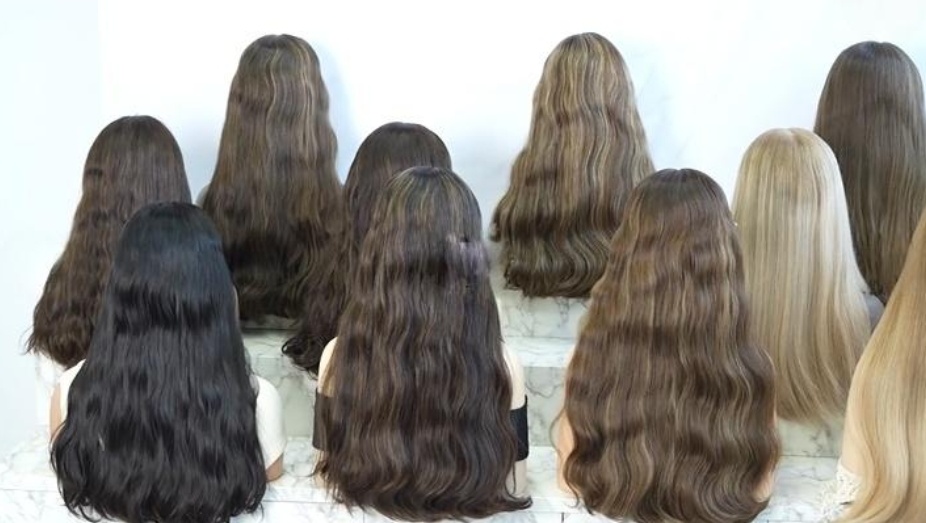
Understanding cultural practices helps us appreciate the depth of traditions. Orthodox Jewish women wear wigs, known as sheitels, primarily for modesty, covering their natural hair after marriage in accordance with religious guidelines.
Orthodox Jewish women wear wigs to maintain modesty, covering their natural hair as a sign of privacy and respect after marriage according to religious rules.
This practice has deep roots in Jewish law and culture. By covering their hair, married women uphold a cherished tradition that signifies their commitment and embraces modesty. The type and style of Jewish women wigs can vary, reflecting personal taste while respecting religious norms.choose a right wigs factory become important, not all wigs factory can make jewish wigs.
Why Do Orthodox Jewish Women Shave Heads?
Exploring this practice sheds light on its significance in certain communities.
In some Orthodox communities, women shave heads after marriage to ensure modesty, as it prevents any exposure of natural hair.
This practice is mostly found within Hasidic communities and aligns with their stringent modesty standards. Shaving the head eliminates the chance of hair showing accidentally, reinforcing commitment to principles of modesty. This choice, though not universal among all Orthodox Jews, reflects a deep respect for religious interpretation and communal tradition.
Can Orthodox Jewish Women Wear Makeup?
Balancing modernity with tradition can lead to varying practices.
Orthodox Jewish women can wear makeup as long as it aligns with modesty. Communities differ in interpretation and extent of use.
Makeup allows expression and individual beauty while adhering to community standards. Some encourage subtle enhancement, seeing it as an acceptable form of self-expression. Others may hold stricter views, limiting its use. The decision often depends on personal preference and community guidelines, reflecting a blend of tradition and personal choice.
Why Do Jews Wait 3 Years to Cut Hair?
This custom steeped in rich tradition provides children with a unique rite of passage.
Jews wait 3 years to cut a child’s hair to mark the Upsherin ceremony, symbolizing the child’s readiness for Torah education and responsibilities.
The Upsher in typically occurs on a boy’s third birthday, signifying their entrance into the world of religious responsibility. This practice is coupled with festivities, marking a joyful milestone. The ceremony highlights the growing connection of the child to Jewish faith and education, symbolizing a parent’s commitment to nurturing their child’s religious life.
What Are Hasidic Women Not Allowed to Do?
Understanding restrictions provides insight into the strict adherence to traditions.
Hasidic women follow modesty guidelines, limiting activities like singing in public or dressing in revealing clothing, aligning with community values.
These practices stem from deep-seated interpretations of Jewish law. By dressing modestly and refraining from public singing, Hasidic women reflect values that prioritize humble behavior and spiritual focus. These traditions aim to foster a community that adheres strictly to religious teachings, ensuring members live in unity with their beliefs.
Why Do Jewish Women Wear Skirts?
Modesty in dress is often linked with cultural identity and religious practice.
Jewish women wear skirts as they are considered modest, adhering to religious standards requiring coverage of legs and lower body.
In many Jewish communities, skirts provide a means to dress elegantly while respecting modesty stipulations. The preference for skirts over pants is closely tied to the interpretations of modest dress codes, aiming to protect dignity while ensuring self-respect and religious adherence. Choices around clothing often reflect broader cultural practices harmonized with personal style.
Do Jewish Women Shave Their Legs?
This aspect of personal grooming varies across individuals and communities.
Jewish women may shave their legs, with the decision depending on personal, cultural, or community standards of modesty and cleanliness.
Shaving practices may correlate with broader societal norms, as well as personal preferences for cleanliness or aesthetics. Within some communities, grooming might be guided by modesty rules, but generally, this aspect is left to personal choice. Like many personal care routines, these decisions reflect a blend of cultural, personal, and social influences.
## Conclusion
The practices and traditions surrounding Orthodox Jewish women’s lives reflect a commitment to faith and community. Each custom, from wigs to skirts, serves as a meaningful expression of identity and devotion.