
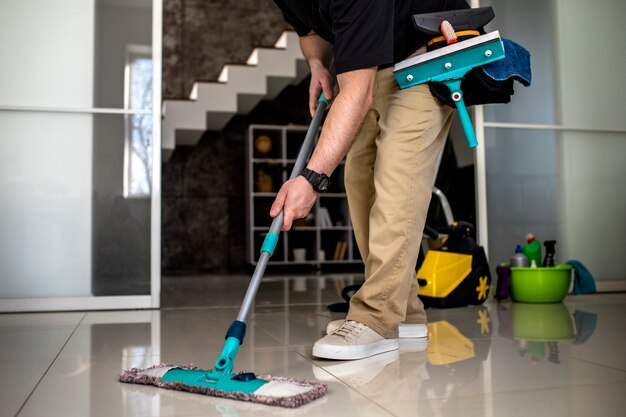
After a construction or renovation project, whether residential or commercial, one of the most critical tasks is post construction cleaning. While construction work leaves buildings functional and visually appealing, it also leaves behind dust, debris, and residue that can make spaces unsafe or unpleasant to inhabit. Proper cleaning after construction is essential to ensure the area is safe, hygienic, and ready for use.
Post construction cleaning is more than regular housekeeping; it requires specialized techniques, tools, and attention to detail. From removing fine dust and paint splatters to disinfecting surfaces and polishing finishes, this cleaning process ensures the newly constructed or renovated space is both pristine and functional.
Why Post Construction Cleaning Is Essential
Construction sites are inherently messy. Dust, sawdust, plaster, paint residue, adhesives, and other materials accumulate during the building process. If left unattended, these residues can:
- Cause health hazards such as respiratory irritation or allergic reactions
- Damage surfaces like floors, tiles, and cabinetry
- Make the space unsafe due to debris and leftover materials
- Delay project completion or occupancy
Post construction cleaning ensures that all debris is removed, surfaces are polished, and the space is safe for residents, employees, or customers. Without thorough cleaning, the investment in construction or renovation can feel incomplete.
Key Stages of Post Construction Cleaning
- Initial Debris Removal:
The first step involves removing large debris, leftover materials, and trash from the site. This includes broken tiles, wood offcuts, empty paint cans, and packaging. Clearing these items makes it easier to access all surfaces for detailed cleaning. - Dust and Fine Particle Cleaning:
Construction dust can settle on walls, ceilings, floors, and fixtures. Post construction cleaning requires thorough dusting and vacuuming using industrial-grade vacuums equipped with HEPA filters. This ensures that even microscopic particles are removed, preventing respiratory issues and creating a clean environment. - Surface Cleaning and Polishing:
Walls, doors, windows, cabinets, and countertops often have dust, paint splatters, or adhesive residues. Cleaning these surfaces involves wiping, polishing, and using appropriate solutions for each material. Stainless steel, glass, wood, and tile surfaces require specific cleaners to avoid damage. - Floor Care:
Floors are among the dirtiest areas after construction. Whether they are hardwood, tile, carpet, or concrete, post construction cleaning involves sweeping, vacuuming, scrubbing, and sometimes polishing. Carpets may require deep steam cleaning to remove fine dust and debris embedded in fibers. - Bathroom and Kitchen Detailing:
Bathrooms and kitchens require meticulous cleaning due to fixtures, tiles, and grout. Removing grout haze, adhesive marks, and dust from sinks, toilets, showers, and countertops ensures that these areas are fully functional and hygienic. - Final Touches:
The last stage includes inspecting the site for missed spots, polishing fixtures, cleaning light switches and vents, and deodorizing the space. These finishing touches make the property move-in ready or operationally functional.
DIY vs. Professional Post Construction Cleaning
While some property owners attempt DIY cleaning, post construction cleaning is often too complex and time-consuming for individuals without proper experience and equipment. Professionals bring expertise, industrial-grade tools, and cleaning agents specifically designed for post renovation messes.
Hiring professionals ensures:
- Thorough removal of dust and debris
- Safe handling of chemicals and cleaning tools
- Proper care of surfaces, fixtures, and finishes
- Efficient completion without delaying occupancy
For large-scale construction projects, professional post construction cleaning is not just recommended; it is often essential.
Tips for Effective Post Construction Cleaning
- Plan in Stages:
Don’t attempt to clean everything at once. Break the process into stages: debris removal, dusting, surface cleaning, and finishing touches. - Use the Right Tools:
Vacuum cleaners with HEPA filters, microfiber cloths, scrapers, floor polishers, and specialized cleaning solutions make the process more effective. - Prioritize Safety:
Wear protective gear like gloves, masks, and goggles. Construction dust and chemical residues can irritate skin and lungs. - Pay Attention to Corners and Hidden Areas:
Dust and debris accumulate in corners, under cabinets, behind appliances, and in vents. Thorough cleaning ensures no hidden residue remains. - Check Ventilation Systems:
Construction dust can circulate through HVAC systems. Cleaning ducts and vents is essential for maintaining air quality.
Environmental Considerations in Post Construction Cleaning
Using eco-friendly cleaning solutions is increasingly important. Many cleaning agents contain harsh chemicals that can harm the environment. Opt for biodegradable detergents, reusable cleaning tools, and proper disposal of construction waste. Reducing chemical exposure ensures the space is safe for occupants and environmentally responsible.
Common Mistakes to Avoid
- Skipping Deep Dusting: Dust can remain in vents, behind cabinets, and on ceiling fans if overlooked.
- Using Harsh Chemicals on Sensitive Surfaces: Surfaces like wood, marble, and stainless steel require specific cleaners to avoid damage.
- Rushing the Process: Attempting post construction cleaning quickly often leaves areas partially cleaned, defeating the purpose.
- Ignoring Floors and Carpets: Dust settles into flooring materials and can be difficult to remove if not cleaned properly.
Benefits of Professional Post Construction Cleaning
- Improved Health: Removal of dust and allergens ensures a safe environment for occupants.
- Enhanced Aesthetics: Polished surfaces and spotless floors make the space visually appealing.
- Time-Saving: Professionals complete the work efficiently, allowing the space to be used sooner.
- Surface Protection: Proper cleaning prevents damage to materials and extends their lifespan.
Preparing for Post Construction Cleaning
Before starting, it’s important to:
- Remove leftover tools, construction materials, and debris
- Ensure electrical and plumbing systems are operational
- Identify delicate surfaces requiring special care
- Plan cleaning stages according to priority areas
Having a structured approach saves time and ensures comprehensive cleaning.
Conclusion
Post construction cleaning is a vital step in transforming a construction site into a safe, functional, and aesthetically pleasing space. It requires more than basic cleaning skills, as construction residues can be stubborn and harmful if not handled properly. By focusing on debris removal, dust elimination, surface cleaning, and finishing touches, property owners can ensure their spaces are ready for immediate occupancy.
Whether tackling the task yourself or hiring professional cleaners, attention to detail, proper tools, and a structured approach make post construction cleaning effective and efficient. The result is a polished, safe, and inviting environment that reflects the quality of the construction work and provides peace of mind for occupants.
Investing in thorough post construction cleaning not only protects health and safety but also enhances the overall value and longevity of the property. It turns a newly built or renovated space into a truly ready-to-use environment, allowing homeowners, tenants, and businesses to fully enjoy the results of their construction efforts.