
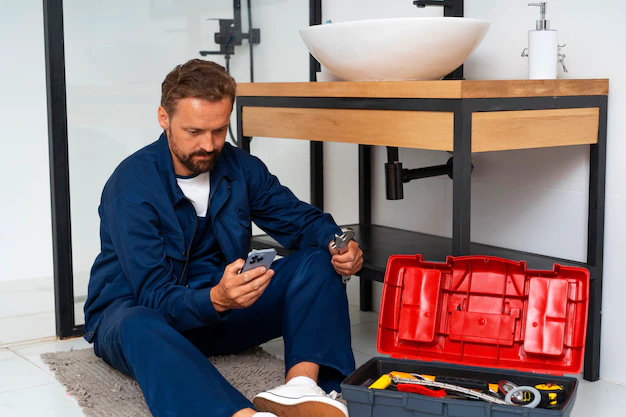
Plumbing issues can strike at any time, often without warning, disrupting your home or business. From burst pipes to overflowing toilets, an unexpected plumbing problem can quickly turn into a major headache. That’s where emergency plumbing services become essential. Understanding what constitutes a plumbing emergency, how to respond effectively, and how professionals handle these situations can save you time, money, and stress. This guide will explore everything you need to know about emergency plumbing, including common emergencies, preventive measures, response strategies, and the benefits of hiring licensed professionals.
What Is Emergency Plumbing?
Emergency plumbing refers to urgent plumbing issues that require immediate attention to prevent property damage, health risks, or disruption of essential services. Unlike routine plumbing maintenance or repairs, emergency situations demand quick, professional intervention. Examples include:
- Burst Pipes: A sudden pipe burst can flood your home in minutes, causing structural damage, mold growth, and costly repairs.
- Overflowing Toilets or Drains: Blockages that lead to overflows can create unsanitary conditions and damage flooring and walls.
- Gas Leaks: Leaking gas from a water heater or gas line is extremely dangerous and requires immediate evacuation and professional repair.
- Water Heater Failures: While minor water heater issues may wait for a scheduled repair, leaks or ruptures can quickly escalate to emergency situations.
- Sewer Backups: Sewage backups pose severe health risks and require urgent attention to prevent contamination.
Recognizing an emergency is critical. Delays in addressing these issues can result in escalating damage and higher repair costs.
Common Causes of Plumbing Emergencies
Understanding the causes of plumbing emergencies can help homeowners prevent or mitigate damage. Common causes include:
- Aging Pipes: Older plumbing systems are more prone to leaks, corrosion, and bursts.
- Clogged Drains: Hair, grease, or foreign objects can block pipes, leading to overflows.
- Extreme Weather: Freezing temperatures can cause pipes to crack, while heavy rains can overwhelm sewer systems.
- Improper Installation: Poorly installed pipes, fixtures, or water heaters can fail unexpectedly.
- High Water Pressure: Excessive pressure in plumbing systems can cause leaks or pipe bursts over time.
Being aware of these factors helps homeowners take preventive measures and reduce the likelihood of a crisis.
Steps to Take During an Emergency Plumbing Situation
When facing a plumbing emergency, acting quickly and safely is crucial. Here are essential steps to take:
- Shut Off the Water Supply: The first step in any water-related emergency is to turn off the main water valve to prevent flooding.
- Turn Off Power if Necessary: If water is leaking near electrical outlets or appliances, switch off the electricity to prevent shock hazards.
- Contain the Water: Use buckets, towels, or other materials to minimize water spread and reduce damage.
- Avoid Using the Plumbing System: Stop using faucets, toilets, and appliances until the emergency is resolved.
- Call a Professional Emergency Plumber: Licensed emergency plumbing services are trained to assess and fix urgent issues safely and efficiently.
Acting quickly can significantly reduce damage, repair costs, and health risks associated with plumbing emergencies.
The Role of Emergency Plumbing Services
Emergency plumbing professionals provide fast, reliable solutions when unexpected plumbing issues arise. Their services typically include:
- 24/7 Availability: Many emergency plumbers operate around the clock, ensuring help is available day or night.
- Rapid Diagnosis and Repair: Professionals can quickly identify the root cause of the problem and implement effective repairs.
- Advanced Equipment: Emergency plumbers use specialized tools, such as hydro jetting machines, pipe cameras, and leak detection systems, to address complex problems.
- Safety Compliance: Licensed plumbers ensure repairs meet local building codes and safety standards, reducing liability and future risks.
Hiring a professional emergency plumber ensures the problem is resolved safely and efficiently, minimizing stress and damage.
Preventive Measures to Avoid Emergency Plumbing Situations
While emergencies are sometimes unavoidable, certain preventive measures can reduce the risk:
- Regular Inspections: Annual plumbing inspections can detect leaks, corrosion, and other potential problems before they escalate.
- Drain Cleaning: Routine cleaning prevents clogs in sinks, showers, and toilets. Avoid flushing inappropriate materials.
- Pipe Insulation: Protect pipes from freezing temperatures to reduce the risk of cracks or bursts.
- Water Pressure Monitoring: Ensure water pressure is within recommended levels to avoid unnecessary strain on pipes.
- Timely Repairs: Address small leaks or minor issues promptly to prevent them from turning into emergencies.
Proactive maintenance is often more cost-effective than dealing with a full-scale plumbing emergency.
Common Myths About Emergency Plumbing
There are several misconceptions about emergency plumbing that can delay proper action:
- Myth 1: DIY Fixes Are Always Safe: While minor issues may be manageable, major emergencies like burst pipes or gas leaks require professional intervention.
- Myth 2: Plumbing Emergencies Only Happen in Old Homes: Even new homes can experience plumbing emergencies due to installation errors, defective materials, or unforeseen incidents.
- Myth 3: Water Damage Isn’t Serious: Even a small leak can cause mold growth, structural damage, and costly repairs if not addressed immediately.
Understanding the realities of emergency plumbing helps homeowners respond effectively and avoid unnecessary risks.
Choosing the Right Emergency Plumbing Service
When selecting an emergency plumbing service, consider the following factors:
- Licensing and Insurance: Ensure the company is licensed and insured to protect yourself from liability.
- Response Time: Choose a service known for quick response times to minimize damage.
- Experience and Reputation: Look for plumbers with a proven track record in handling urgent plumbing issues.
- Pricing Transparency: Avoid companies with unclear or inflated pricing. Reliable plumbers provide upfront estimates.
- Availability: A 24/7 service ensures assistance is available during nights, weekends, or holidays.
Investing time in choosing the right emergency plumbing service can save considerable stress and expenses when a crisis occurs.
Benefits of Professional Emergency Plumbing
Hiring professional emergency plumbing services offers multiple benefits:
- Immediate Resolution: Problems are fixed quickly, preventing further damage.
- Expert Diagnosis: Professionals identify the underlying issue, preventing recurrence.
- Long-Term Savings: Early intervention often avoids costly repairs or replacements.
- Safety: Trained plumbers handle potentially dangerous situations, such as gas leaks or electrical hazards.
- Peace of Mind: Knowing experts are handling the problem reduces stress during emergencies.
Final Thoughts
Plumbing emergencies can happen at any time, and being unprepared can result in significant damage, costs, and inconvenience. Understanding the types of emergencies, preventive measures, and appropriate response strategies is key to handling these situations effectively. Professional emergency plumbing services provide rapid, reliable, and safe solutions to minimize damage and restore functionality quickly.
Being proactive, maintaining your plumbing system, and knowing whom to call during a crisis ensures that unexpected plumbing issues do not disrupt your home or business. With the right knowledge and support, you can handle plumbing emergencies efficiently and maintain the comfort, safety, and integrity of your property.