
Back pain often develops not from a single injury, but from repeated everyday actions performed incorrectly. Carrying bags, groceries, or children may seem harmless, yet poor lifting and carrying habits can place significant strain on the spine. Over time, these small stresses accumulate and lead to discomfort, stiffness, or injury.
Why Carrying Habits Matter
The spine is designed to support the body in balanced, upright positions. When weight is carried unevenly or lifted incorrectly, certain muscles and joints are forced to compensate. This creates excessive strain on the lower back, shoulders, and neck.
Repeated poor carrying habits can contribute to muscle imbalances, joint stress, and spinal disc irritation. Even light loads, when carried improperly over time, can result in discomfort or long-term issues.
Carrying Bags the Right Way
Many people carry handbags, laptop bags, or backpacks daily. Single-strap bags worn on one shoulder cause uneven weight distribution, forcing the spine to tilt and muscles to work harder to maintain balance.
To reduce strain, choose bags with wide, padded straps and alternate shoulders regularly if using a single-strap bag. Backpacks are generally a better option, as they distribute weight more evenly across both shoulders. Adjust backpack straps so the bag sits close to the body rather than hanging low.
Specialists at an orthopaedic clinic often recommend keeping bag weight as light as possible and removing unnecessary items regularly.
Safe Techniques for Carrying Groceries
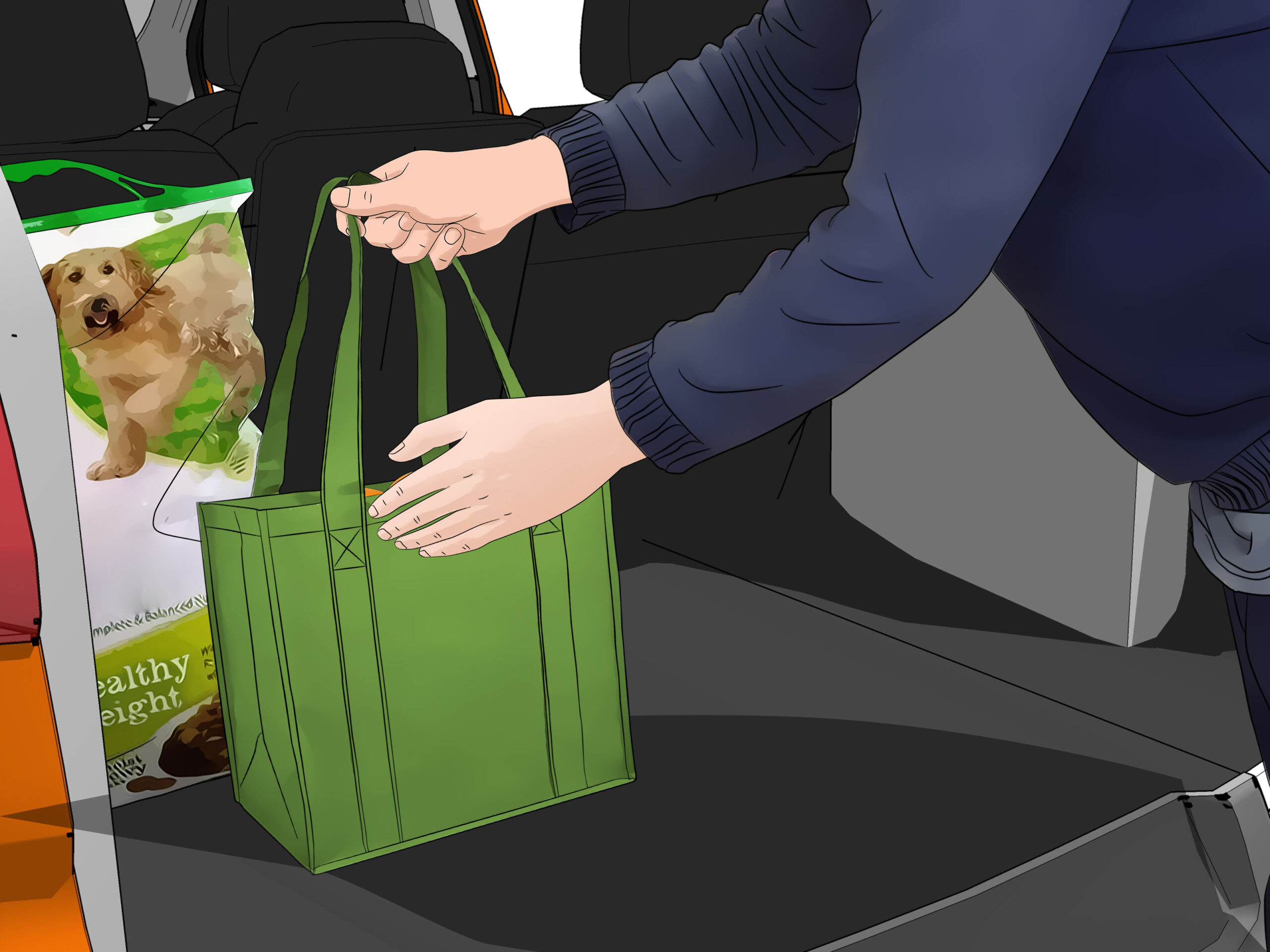
Grocery shopping frequently involves carrying multiple bags at once, often in awkward positions. Carrying all bags on one side places uneven pressure on the spine and increases the risk of muscle strain.
A safer approach is to distribute weight evenly between both hands. Make more trips if needed, rather than overloading yourself. Keep grocery bags close to the body and avoid twisting while carrying heavy items.
In orthopaedic Singapore, where many people rely on public transport, carrying groceries over longer distances makes proper technique even more important.
Lifting Groceries and Heavy Items
Before lifting, assess the weight of the item. Stand close to it, with feet shoulder-width apart. Bend at the hips and knees rather than the waist, keeping the back straight. Engage core muscles and lift using the legs, not the back.
Avoid sudden movements or twisting while holding weight. If an item feels too heavy, ask for help or divide the load into smaller portions. These principles are frequently reinforced at an orthopedic clinic to prevent lower back injuries.
Carrying Children Safely
Parents and caregivers often lift and carry children multiple times a day. While this is unavoidable, improper technique can place significant stress on the spine, especially when children grow heavier.
When lifting a child, bend your knees and bring the child close to your body before lifting. Hold them at chest level rather than on one hip, as hip carrying causes uneven spinal loading. If carrying for extended periods, alternate sides and take breaks when possible.
Using supportive baby carriers that distribute weight evenly across the shoulders and hips can significantly reduce strain. In orthopaedic Singapore, ergonomic carriers are often recommended for working parents balancing childcare and daily responsibilities.
Avoiding Common Carrying Mistakes
Many back injuries occur due to rushed or distracted movements. Twisting while lifting, reaching awkwardly, or carrying loads far from the body increases spinal stress.
Another common mistake is lifting while fatigued. Tired muscles provide less support, increasing injury risk. Paying attention to body signals and slowing down when needed helps prevent strain.
Strengthening Muscles to Support Carrying Tasks
Strong core, back, and leg muscles provide better support during lifting and carrying. Regular exercise helps distribute loads more effectively and reduces reliance on the spine alone.
Low-impact strength training, stretching, and balance exercises improve stability and posture. Consistency is key, as stronger muscles reduce injury risk during everyday tasks.
Posture Awareness During Carrying
Good posture while carrying weight reduces unnecessary strain. Keep the head upright, shoulders relaxed, and core engaged. Avoid leaning forward or arching the lower back excessively.
Maintaining posture awareness is particularly important when carrying items over longer distances. In orthopaedic Singapore, long walks, stairs, and commuting increase the importance of posture control.
When to Seek Professional Guidance
Occasional muscle soreness may be normal, but persistent pain, stiffness, or discomfort should not be ignored. These symptoms may indicate underlying issues that require assessment.
An orthopaedic clinic Singapore can evaluate posture, muscle strength, and movement patterns to identify contributing factors. Early guidance helps prevent minor strain from developing into chronic pain.
Building Back-Safe Habits for Everyday Life
Protecting the back does not require avoiding daily tasks, but rather performing them mindfully. Small changes in how weight is lifted and carried can significantly reduce strain over time.
By using proper techniques, strengthening supportive muscles, and listening to the body, individuals can safely manage everyday carrying tasks. These habits play an important role in maintaining long-term spine health and overall wellbeing.