
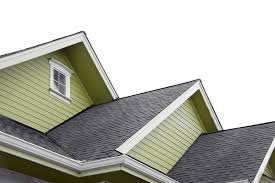
The roof of a home is far more than just a protective covering. It serves as a crucial structural component that provides safety, stability, and energy efficiency while enhancing the overall appearance of a property. A properly constructed and maintained roof shields the home from environmental elements such as rain, snow, hail, and extreme sunlight, preventing damage to the interior and structural framework. Understanding the principles of residential roofing is essential for homeowners who want to make informed decisions regarding installation, repair, or replacement. Whether undertaking a full roof replacement, installing a new system, or repairing damage, a roof functions not only as a barrier against external threats but also as a design element that can significantly influence the home’s visual appeal and property value. Proper planning, material selection, and professional installation are key to achieving a roof that is durable, functional, and aesthetically pleasing.
The Importance of Residential Roofing
Residential roofing plays a critical role in safeguarding a home from environmental hazards while maintaining indoor comfort. One of the most common and destructive issues in homes is water infiltration, which can lead to mold, rot, and structural damage if not properly addressed. A high-quality roof prevents these issues by providing a secure barrier against moisture and harsh weather conditions. Beyond protection, a well-designed roof contributes to energy efficiency by regulating indoor temperatures and reducing the burden on heating and cooling systems. Proper insulation, ventilation, and reflective materials help maintain a comfortable indoor climate, reduce energy consumption, and lower utility costs. In addition to functional benefits, roofing has a substantial impact on the home’s exterior aesthetics. The choice of materials, textures, and colors should complement the architectural style of the home, enhancing curb appeal and property value. A thoughtfully executed roofing system offers both practicality and elegance, creating a safe, efficient, and visually appealing home environment.
Planning a Residential Roofing Project
Every successful residential roofing project begins with careful planning. Assessing the existing roof’s condition, identifying project goals, and determining suitable materials and budget are critical steps. Planning allows homeowners to anticipate challenges and develop strategies to avoid delays or costly mistakes. Proper budgeting is particularly important, as roofing costs vary depending on material type, roof complexity, labor, and additional enhancements such as improved ventilation or insulation. Establishing a realistic budget ensures that essential components are prioritized and that funds are available for unforeseen circumstances, such as hidden structural damage discovered during installation. Industry experts recommend setting aside 10–15% of the overall project budget as a contingency to cover unexpected expenses, which helps maintain project momentum and prevents financial strain.
Choosing a qualified and experienced roofing contractor is another essential aspect of planning. Professional contractors offer expertise in material selection, installation techniques, and adherence to building codes, ensuring that the roof performs optimally over time. Homeowners should verify credentials, licenses, insurance, and references before hiring a contractor to ensure reliability and quality workmanship. Clear communication with the contractor throughout the project is essential to align expectations, prevent misunderstandings, and keep the project on schedule and within budget. By taking the time to plan carefully, set an appropriate budget, and hire qualified professionals, homeowners can achieve a durable and high-performing roof that meets their functional and aesthetic needs.
Popular Residential Roofing Materials
Selecting the right roofing material is one of the most important decisions in a residential roofing project. Each material has its own advantages, cost considerations, and maintenance requirements, making it essential to choose a solution that aligns with the homeowner’s priorities and local conditions.
- Asphalt Shingles: Asphalt shingles are widely used due to their affordability, ease of installation, and versatility in design. They are available in a variety of colors and textures, providing reliable protection from the elements. With proper maintenance, asphalt shingles can last 20 to 30 years, offering a durable and cost-effective roofing solution.
- Metal Roofing: Metal roofs are known for their exceptional durability, fire resistance, and long lifespan, often exceeding 50 years. Metal roofing comes in panels or shingles and can suit both traditional and modern home designs. While the initial cost is higher, the long-term performance and minimal maintenance make it a worthwhile investment.
- Clay and Concrete Tiles: These roofing materials are highly durable, fire-resistant, and visually appealing. Their weight requires a sturdy roof structure, but they provide low maintenance and long-lasting protection. Clay and concrete tiles are especially valued for their distinctive look and ability to withstand extreme weather.
- Slate Roofing: Slate is one of the most durable roofing options, often lasting over a century when properly installed. It is prized for its natural elegance, long lifespan, and excellent resistance to environmental damage, although installation requires skilled professionals due to its weight and fragility.
- Wood Shingles and Shakes: Wood roofing offers natural beauty and insulation benefits. Regular maintenance is required to prevent moisture damage, insect infestation, and wear, but the unique aesthetic and natural appeal make it an attractive option for certain home styles.
The choice of material depends on factors such as climate, structural support, budget, desired appearance, and willingness to maintain the roof over time. Selecting the right material ensures both durability and harmony with the home’s architectural design.
Residential Roofing Installation Process
Proper installation is essential to maximize the performance and lifespan of a roof. The process begins with a thorough inspection of the existing roof to identify damage, structural weaknesses, or areas that require repair. This ensures that the foundation for the new roofing system is strong and reliable. The next step is the installation of an underlayment, such as synthetic sheets or roofing felt, which provides an additional layer of protection against water infiltration and enhances overall durability. Once the underlayment is in place, roofing materials are installed according to manufacturer specifications and industry best practices. Correct alignment, fastening, and sealing are critical to achieving a roof that performs well under various weather conditions.
Ventilation and drainage are integral components of the installation process. Adequate ventilation prevents excessive heat buildup and moisture accumulation in the attic, which can degrade insulation and damage structural components. Efficient drainage ensures that water does not pool on the roof surface, reducing the risk of leaks and long-term damage. The final stage involves a comprehensive inspection to confirm that all materials are installed correctly, flashing and gutters are positioned appropriately, and any necessary adjustments are made to optimize performance. Contractors may also provide recommendations for routine maintenance and care to prolong the roof’s life. Proper installation is critical for protecting the home, enhancing energy efficiency, and maintaining the roof’s visual appeal for decades.
Maintenance Tips for Residential Roofing
Regular maintenance is key to ensuring the longevity and performance of a roofing system. Routine inspections help identify issues such as damaged shingles, loose tiles, or debris accumulation before they escalate into major problems. Cleaning the roof surface, clearing gutters, and addressing minor damage promptly are essential practices for preserving both function and appearance. Preventive maintenance not only extends the roof’s life but also helps maintain warranty coverage, providing additional protection for the homeowner’s investment.
Homeowners can also consider upgrades such as reflective coatings to reduce heat absorption, improved insulation to enhance energy efficiency, and reinforced underlayment for increased protection against environmental hazards. These enhancements improve performance and extend the life of the roof, maximizing the benefits of the residential roofing investment. A proactive approach to maintenance ensures that the roof continues to provide reliable protection, energy efficiency, and aesthetic appeal for many years.
Challenges and Considerations in Residential Roofing
Residential roofing projects can encounter a range of challenges that require careful planning and management. Weather delays, such as rain, wind, or snow, can temporarily halt installation, making it important to schedule projects during favorable conditions. Hidden structural damage, such as rot, mold, or weakened decking, may only become evident once the roof is exposed, emphasizing the need for a contingency fund to address unforeseen issues. Material availability and delivery delays can also impact project timelines, making early coordination with suppliers essential to prevent interruptions. Cost overruns can occur due to unexpected repairs or fluctuations in material prices, highlighting the importance of thorough budgeting and planning. By anticipating these challenges and preparing for them, homeowners can ensure that their roofing project is completed efficiently, on schedule, and to a high standard of quality.
Maximizing the Benefits of Residential Roofing
A high-quality roofing system provides far more than basic protection. Energy efficiency is improved through proper insulation, ventilation, and reflective materials, reducing heating and cooling costs while maintaining indoor comfort. Thoughtful material selection, color coordination, and design enhance the home’s exterior, boosting curb appeal and overall property value. Durable, professionally installed roofing systems withstand environmental challenges, ensuring that the home remains protected for decades. Above all, a strong roof provides peace of mind, safeguarding the home and its occupants from leaks, structural damage, and other hazards. By investing in quality materials, professional installation, and ongoing maintenance, homeowners can fully realize the benefits of their residential roofing system and enjoy long-term value and comfort.
Conclusion
Residential roofing in Montclair, NJ is a vital aspect of homeownership, combining protection, energy efficiency, visual appeal, and long-term durability. Proper material selection, expert installation, and proactive maintenance ensure that a roof functions effectively for decades while enhancing the home’s aesthetic and financial value. Homeowners who approach roofing projects thoughtfully and prioritize quality, durability, and performance will enjoy a safe, efficient, and attractive home environment. Whether installing a new roof, replacing an aging system, or performing repairs, a well-executed residential roofing project delivers lasting benefits, protecting both the property and its occupants while contributing to the home’s overall beauty and structural integrity. Investing in residential roofing is not merely a practical decision but a long-term strategy for safeguarding the home and maximizing its value.