
Creating a comfortable, efficient, and environmentally friendly home has become a top priority for many homeowners, especially with rising energy costs and increasing awareness about sustainable living. Among the most effective upgrades available today is the transition to advanced systems that deliver both heating and cooling in a highly efficient manner. As people seek long-term solutions that improve comfort and reduce environmental impact, understanding how these systems work and how to properly integrate them into the home has never been more important.
Modern heating and cooling technology is transforming the way residential climate control is approached. Unlike traditional systems that rely on fossil fuels or inefficient resistance heating, contemporary alternatives use renewable energy sources, intelligent controls, and engineered efficiency to drastically cut energy bills. To embrace this shift, many homeowners are turning to comprehensive solutions that significantly outperform conventional options. This is why the process referred to as heat pump installation has gained substantial attention and adoption.
To fully appreciate the value of this modern approach, it’s essential to explore not only the benefits of the technology but also the factors that influence its performance, longevity, and overall suitability for your home.
Understanding the Core Technology Behind Modern Heating Systems
A heat pump operates on a principle similar to that of a refrigerator or air conditioner, but with the added ability to both heat and cool a home. Rather than generating heat through combustion or electrical resistance, these systems move heat from one place to another. This alone provides a major efficiency advantage: transferring heat requires far less energy than producing it.
During colder months, the system extracts heat from the air, ground, or water—depending on the specific type and transfers it into the indoor environment. In warmer seasons, the process reverses, pulling heat out of your home and releasing it outdoors. Because the system uses minimal electricity to run and leverages natural, renewable sources of thermal energy, homeowners often experience immediate reductions in utility bills compared to outdated heating and cooling setups.
This impressive flexibility makes the technology a top choice for anyone seeking an all-in-one climate control system. The transition begins with understanding how heat pump installation fits into the broader plan for upgrading household HVAC efficiency.
Why Homeowners Are Choosing This Upgrade
As energy efficiency becomes a focus of modern living, homeowners increasingly recognize the value of systems that perform more effectively while consuming less energy. One of the biggest reasons behind the surge in popularity of these advanced systems is their remarkable performance.
Efficiency and Savings:
A high-quality system can achieve efficiency levels far beyond those of traditional fuel-based heating units. The ability to reduce energy consumption by up to 50% or more translates into lower monthly utility bills and long-term financial savings. While the initial investment can be higher than that of conventional systems, the rapid return on investment, combined with reduced maintenance costs, makes it a financially sound decision.
Versatility:
These systems are capable of both heating and cooling, making them suitable for year-round comfort without the need for separate units. This reduces equipment clutter, simplifies maintenance, and leads to a more streamlined home energy strategy.
Environmental Responsibility:
As governments and homeowners push for greener solutions, the reduced carbon footprint of this technology makes it one of the most environmentally responsible options available. By moving heat rather than generating it through combustion, the system significantly lowers greenhouse gas emissions.
Durability and Longevity:
Modern units are engineered with cutting-edge components that withstand harsh conditions and heavy usage. With proper care following heat pump installation, these systems commonly operate effectively for 15–20 years or more.
Factors to Consider Before Installing Modern Heating Technology
Despite the numerous benefits, the success of an upgrade depends heavily on correct planning, system selection, and professional expertise. Homeowners must consider several important factors to ensure optimal performance.
Home Size and Layout:
The square footage and design of your home influence the type and capacity of the system required. An improperly sized unit can lead to inefficiency, increased wear, and decreased comfort. A professional evaluation will help determine the ideal system.
Insulation and Air Sealing:
Even the most advanced system cannot perform at peak efficiency in a poorly insulated home. Ensuring proper insulation, sealing air leaks, and improving overall home efficiency maximizes the results of an installation.
Climate Considerations:
While modern systems are engineered to handle even very cold temperatures, selecting the correct model for your climate ensures optimum performance. In regions with extreme winters, cold-climate models with advanced compressors and refrigerants are recommended.
Existing HVAC Configuration:
Homes upgrading from traditional systems may require slight modifications to ducting, electrical components, or ventilation to accommodate the new technology.
The Importance of Professional Installation
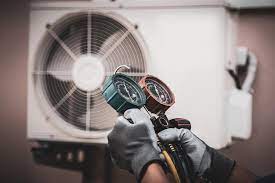
A professional technician plays a critical role in ensuring that your system functions at its highest possible efficiency. The process involves evaluating your home’s heating and cooling needs, selecting appropriate equipment, and ensuring precise placement, connections, and calibrations.
Improper installation may lead to issues such as reduced efficiency, increased energy consumption, system strain, or uneven temperature distribution. This is why homeowners are advised to rely on certified professionals with experience in advanced residential HVAC technologies. A careful, well-executed heat pump installation can dramatically impact long-term performance.
Maintenance Tips for Long-Term Performance
Once the system is installed, regular maintenance helps it remain efficient and reliable. Homeowners can take several key steps:
- Replace filters regularly to maintain airflow and prevent dust buildup.
- Schedule annual professional tune-ups to inspect refrigerant levels, coils, and electrical components.
- Keep outdoor units clear of debris, plants, snow, or ice to allow for proper airflow.
- Monitor system performance and address unusual noises or behavior early to prevent damage.
- Use smart thermostats to optimize heating and cooling schedules without wasting energy.
These steps ensure that the system continues performing efficiently for many years, preserving both comfort and savings.
Long-Term Benefits of Adopting High-Efficiency Home Heating Solutions
Installing a modern system offers extensive advantages beyond comfort and cost savings. It adds property value, improves indoor air quality, reduces reliance on fossil fuels, and creates a more sustainable living environment. As energy efficiency standards continue to evolve, having a system that exceeds today’s requirements helps future-proof the home.
Because these systems integrate so smoothly with modern smart home technologies, homeowners gain more control over their indoor environment. Remote access and automation features allow precise management of temperature settings, reducing waste and maximizing efficiency.
Furthermore, as energy costs fluctuate, having a highly efficient system provides financial stability. Instead of depending on price-volatile fuel sources, homeowners benefit from consistent electrical consumption and potentially lower long-term costs.
Final Thoughts
As the shift toward sustainable living accelerates, more homeowners are recognizing the value of upgrading their HVAC systems with forward-thinking technology. The ability to dramatically reduce energy consumption while improving indoor comfort makes this upgrade one of the smartest investments for long-term home efficiency.
The entire process from preparation to installation, maintenance, and ongoing use creates opportunities for better climate control, lower energy bills, and a reduced environmental impact. Whether you’re looking to update your home for modern comfort or reduce your carbon footprint, the strategic addition of an advanced heating and cooling solution provides measurable benefits for decades.
By understanding the system’s capabilities, planning the upgrade strategically, and relying on professional support, you can ensure that your heat pump installation delivers exceptional performance, reliability, and value throughout its lifespan.