
Introduction to Hormita
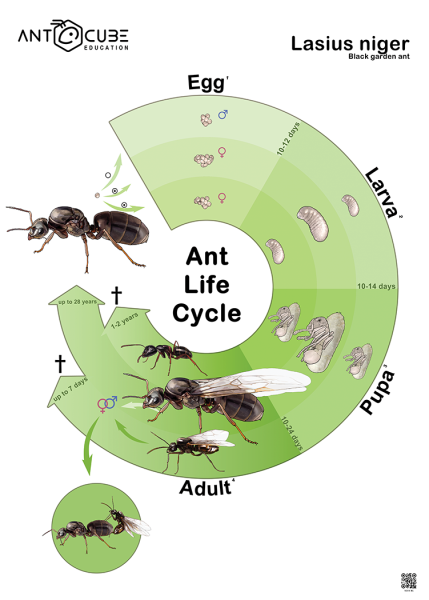
Hormita, a name that might not ring a bell for many, holds an intriguing place in the world of insects. These fascinating creatures embark on a life journey filled with transformation and adaptation. Understanding their life cycle is not just about appreciating nature’s wonders; it’s also essential for maintaining ecological balance. From the moment they hatch to their emergence as adults, Hormita showcase remarkable changes that captivate scientists and enthusiasts alike. Dive into this exploration of their captivating life stages and discover why these little beings deserve our attention and respect.
The Larval Stage of Hormita
The larval stage of Hormita is a critical phase in its life cycle. During this time, the larvae exhibit remarkable growth and adaptability. They often inhabit a variety of environments, which allows them to thrive in diverse conditions.
These tiny creatures are voracious eaters. Their diet typically consists of organic matter and algae. This feeding frenzy supports their rapid development, enabling them to transition smoothly to the next stage.
Larvae also play an essential role in nutrient cycling within their ecosystems. As they consume materials, they break down complex compounds into simpler forms that other organisms can utilize.
Interestingly, this stage is marked by distinct physical characteristics that help distinguish different species of Hormita. Observing these traits can provide insights into environmental health and biodiversity status in their habitats.
The Pupal Stage of Hormita
The pupal stage of Hormita is a remarkable transformation time. This phase comes after the larval stage, where the organism prepares for its next evolution.
During this period, Hormita undergoes significant changes within a protective casing. The outer shell shields it from predators and environmental hazards. Inside, the magic happens; tissues reorganize into adult structures.
This metamorphosis can last several weeks to months, depending on environmental conditions. Temperature and humidity play crucial roles in determining how swiftly or slowly development occurs.
As it transitions through this phase, Hormita relies on stored energy reserves gathered during its larval days. It’s a vulnerable yet vital part of its life cycle.
Understanding this stage helps us appreciate the complexity of nature’s processes and highlights the resilience of these fascinating creatures as they inch closer to adulthood.
The Adult Stage of Hormita
The adult stage of Hormita marks a significant transformation. Once they emerge from their pupal casing, these creatures take flight into the world. Their vibrant colors and unique patterns make them stand out in their natural habitat.
Adults are primarily focused on reproduction. Males often engage in intricate mating rituals to attract females. These displays can involve dazzling aerial acrobatics or pheromone signaling.
Feeding becomes essential at this stage as well. Adult Hormita typically thrive on nectar from flowering plants, playing a crucial role in pollination. This activity not only sustains their life but also benefits surrounding flora.
As adults, Hormita have a shorter lifespan compared to other stages of development. However, during this time, they contribute significantly to the ecosystem’s health and balance through various interactions with other species.
Role of Hormita in the Ecosystem
Hormita plays a vital role in maintaining ecological balance. These creatures contribute to soil health by breaking down organic matter. As decomposers, they recycle nutrients, enriching the environment for plants.
In addition to nutrient cycling, Hormita also serves as a food source for various predators. Birds and small mammals depend on these insects for sustenance. This relationship highlights their importance within the food web.
Furthermore, Hormita aids in pollination processes indirectly. While not primary pollinators themselves, their activities encourage plant diversity and growth. Healthy vegetation supports entire ecosystems.
The presence of Hormita can indicate environmental health too. A thriving population often reflects balanced ecosystems with sufficient resources available to support diverse life forms.
Threats and Conservation Efforts for Hormita
Hormita faces numerous threats that jeopardize its survival. Habitat loss due to urban development and agriculture is one of the primary concerns. As natural environments shrink, so do the resources Hormita relies on.
Climate change also poses a significant risk. Altered weather patterns can disrupt breeding cycles and food availability. Rising temperatures may make it difficult for these organisms to thrive in their native habitats.
Pollution further complicates their existence. Contaminants in water bodies affect not only Hormita but also the entire ecosystem they inhabit. This creates a ripple effect that impacts various species.
Conservation efforts are gaining momentum, with organizations focusing on habitat restoration and protection initiatives. Public awareness campaigns are essential to educate communities about Hormita’s vital role in ecosystems.
Collaborative projects involving local governments, scientists, and volunteers aim to create sustainable practices that benefit both humans and Hormita alike.
Conclusion and the Importance of Understanding the Life Cycle of Hormita
Understanding the life cycle of Hormita is essential for several reasons. It highlights the complexities of nature and how interconnected various species are within an ecosystem. Each stage—from larva to adult—plays a critical role in maintaining ecological balance.
Hormita serves as a vital indicator of environmental health. By studying their life cycle, researchers can gain insights into habitat quality and biodiversity levels. This knowledge allows for better conservation strategies that protect not only Hormita but also other species sharing the same environment.
Furthermore, recognizing the threats faced by Hormita raises awareness about broader environmental issues such as climate change and habitat destruction. Encouraging discussions about these topics fosters community engagement and advocacy for wildlife protection.
By appreciating each phase of the Hormita’s development, we cultivate a deeper connection with our natural world. The survival of this unique organism hinges on our understanding and action today, reminding us that every detail matters in preserving biodiversity for future generations.