
Building a home today requires more than just aesthetics and structural soundness. Homeowners increasingly prioritize comfort, efficiency, and sustainability, making energy-efficient construction a key factor in modern home design. Sustainable building practices integrate environmentally conscious materials, efficient systems, and smart design principles to create homes that not only perform well today but also stand the test of time. By focusing on energy efficiency from the ground up, homeowners can reduce operational costs, improve indoor comfort, and contribute positively to the environment.
This guide explores practical sustainable building strategies, material choices, system integration, and long-term maintenance tips that homeowners can use to achieve a home that is both eco-friendly and cost-effective.
The Importance of Energy Efficiency in Modern Homes
Energy efficiency in homes is no longer a luxury; it is a necessity. Heating and cooling account for a significant portion of household energy use, and poorly designed or inefficient structures can lead to high utility bills and inconsistent indoor comfort. Homes built using sustainable and energy-efficient techniques maintain more consistent temperatures, reduce energy demand, and minimize environmental impact.
Efficient homes are also more resilient to changing climate conditions. By incorporating insulation, high-performance windows, and airtight building envelopes, energy-efficient homes protect occupants from temperature fluctuations, drafts, and humidity problems. These measures also help prevent the long-term deterioration of building materials, further enhancing durability and lowering maintenance costs.
Site Planning and Home Orientation
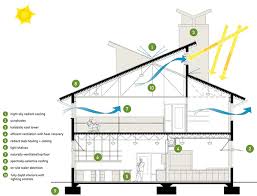
Sustainable building begins long before construction starts. Site planning and home orientation are essential to maximize energy efficiency and minimize environmental impact. Orienting the home to take advantage of natural sunlight reduces reliance on artificial lighting and mechanical heating. Similarly, strategic placement of windows and shading can reduce cooling loads during hot months.
Proper landscaping and site grading also contribute to energy efficiency. Trees, shrubs, and natural windbreaks can provide passive heating and cooling benefits, while permeable surfaces manage stormwater runoff and reduce erosion. By integrating the home with its natural surroundings, homeowners benefit from improved comfort and reduced energy demands.
High-Performance Building Envelope
A home’s envelope including walls, roof, and foundation plays a critical role in sustainable building. Proper insulation, air sealing, and moisture control maintain indoor comfort and prevent energy loss. Modern insulation materials, such as spray foam, rigid foam panels, or dense-pack cellulose, provide superior thermal performance while reducing drafts and condensation.
Air sealing around windows, doors, and structural joints is equally important. Even small gaps can compromise efficiency, leading to higher heating and cooling costs. A well-sealed building envelope ensures consistent indoor temperatures, improves indoor air quality, and extends the lifespan of structural components.
Sustainable Materials and Construction Methods
Selecting sustainable and durable materials is a cornerstone of energy-efficient building. Using responsibly sourced wood, recycled composites, low-VOC finishes, and other eco-friendly products reduces environmental impact while enhancing durability. Materials that resist moisture, pests, and temperature fluctuations require less maintenance and replacement, lowering long-term costs.
Construction methods also influence sustainability. Techniques that minimize waste, utilize prefabricated components, and reduce site disturbance help conserve resources. Thoughtful construction practices ensure that the home performs efficiently while protecting surrounding landscapes and ecosystems.
Energy-Efficient Windows and Doors
Windows and doors are critical to both comfort and energy efficiency. High-performance designs, including double or triple-pane glass, low-emissivity coatings, and well-sealed frames, minimize heat transfer and air leakage. Proper installation is equally important to prevent drafts, water intrusion, and long-term damage to surrounding structures.
Sustainable building emphasizes not only the technical performance of windows and doors but also their aesthetic integration. Well-designed openings provide natural light, connect indoor and outdoor spaces, and enhance curb appeal while maintaining energy efficiency.
Heating, Cooling, and Ventilation Systems
Even in energy-efficient homes, mechanical systems are necessary to maintain comfort. Sustainable building integrates high-efficiency heating, cooling, and ventilation systems that complement the home’s design. Heat pumps, zoned HVAC systems, and energy recovery ventilators help regulate indoor temperatures while minimizing energy use.
When systems are properly sized and installed, they operate more efficiently and last longer. Sustainable building also incorporates smart controls and sensors that optimize energy use, further reducing operating costs and environmental impact.
Water Management and Efficiency
Sustainable building addresses water consumption as well as energy use. Efficient plumbing, low-flow fixtures, and rainwater collection systems reduce water demand, lowering utility bills and conserving natural resources. Proper grading, drainage, and waterproofing prevent moisture intrusion and protect the structural integrity of the home.
Integrating native landscaping and efficient irrigation systems further enhances sustainability. Homeowners benefit from a home that is water-conscious, durable, and environmentally responsible, creating a living space that performs efficiently year-round.
Renewable Energy Integration
Incorporating renewable energy sources, such as solar panels or solar water heaters, is a key component of sustainable building. Renewable systems reduce dependence on fossil fuels, lower energy costs, and contribute to a more resilient home. Solar integration requires careful planning, including roof orientation, shading analysis, and system capacity assessment, to ensure maximum efficiency.
When paired with energy-efficient design and durable materials, renewable energy systems allow homeowners to achieve near net-zero energy performance, supporting long-term cost savings and environmental responsibility.
Long-Term Maintenance and Durability
Sustainable building is not complete without a focus on long-term maintenance. Durable materials and energy-efficient systems reduce the frequency of repairs, but regular inspection and upkeep are essential. Homeowners should monitor insulation, seals, mechanical systems, and exterior finishes to maintain optimal performance.
Preventive maintenance preserves energy efficiency, prolongs the life of materials, and prevents costly issues from developing. By committing to regular care, homeowners protect both their investment and the environmental benefits of sustainable construction.
Economic and Lifestyle Benefits
Homes built with sustainable principles provide immediate and long-term advantages. Reduced energy bills, lower maintenance costs, and improved comfort are tangible benefits for homeowners. Additionally, these homes often retain higher market value, appealing to buyers who prioritize efficiency and environmental responsibility.
Beyond financial gains, sustainable building enhances lifestyle quality. Comfortable, well-ventilated, and naturally lit interiors improve health, wellbeing, and satisfaction. Homeowners can enjoy spaces that are functional, aesthetically pleasing, and environmentally responsible.
Conclusion
Sustainable building is a holistic approach that combines energy efficiency, durable materials, thoughtful design, and renewable systems to create homes that perform better, cost less to maintain, and provide lasting comfort. By integrating these principles, homeowners can achieve environmentally responsible living spaces that meet modern expectations for comfort, resilience, and value.
From careful site planning and high-performance insulation to energy-efficient windows, renewable energy integration, and long-term maintenance, sustainable building methods offer measurable benefits for homeowners and the planet. Investing in sustainable construction is not only a responsible choice, it is a practical way to improve the quality of life, reduce long-term costs, and create homes that stand the test of time.