
Introduction to the Importance of a Reliable Roof
A roof is one of the most essential structural components of any home. It protects the interior from environmental conditions, maintains temperature balance, and contributes significantly to the overall aesthetic appeal. Without a strong and well-designed roofing system, even the most beautifully constructed home can suffer from structural weaknesses, energy inefficiency, and recurring maintenance issues. Homeowners often underestimate the complexity of creating a high-performing roof, but understanding the materials, techniques, and considerations involved can make a dramatic difference. This is where the process of roof installation becomes vital, as it determines the long-term strength, durability, and functionality of the entire structure.
Evaluating the Current Condition Before Planning
Before any new roofing work begins, it is important to evaluate the existing structure thoroughly. This includes checking deck stability, identifying water damage, inspecting ventilation pathways, and assessing the condition of underlayment materials. Ignoring these factors can lead to complications once the new roofing layers are added. A careful evaluation ensures a smoother workflow, helps predict potential challenges, and prevents costly surprises. Homeowners benefit greatly from understanding whether their roofing system needs partial repair or a complete replacement.
Understanding Different Roofing Materials
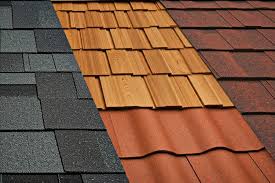
The modern roofing industry offers an impressive range of materials, each with unique benefits, durability levels, and visual characteristics. Asphalt shingles remain one of the most widely used options due to their affordability, ease of installation, and versatility. Metal roofing is known for its exceptional longevity, energy efficiency, and resistance to harsh weather conditions. Tile roofing, which can be made from clay or concrete, offers a distinctive appearance and excellent durability. Meanwhile, wood shakes and shingles provide natural charm and good insulation, although they may require more maintenance.
Every roofing material has its own lifespan and performance requirements. When choosing the right option, homeowners must consider climate, budget, architectural style, energy goals, and long-term maintenance expectations. Understanding the characteristics of each material empowers informed decision-making and ensures that the chosen roofing system offers both beauty and reliability.
Preparing the Home for the Installation Process
Proper preparation prevents future complications and lays the groundwork for a seamless installation. This phase often includes removing old roofing materials, inspecting the deck, repairing damaged areas, and installing protective layers. The underlayment functions as a moisture barrier and provides added protection against wind-driven rain. Ice and water shields may also be installed in vulnerable areas, depending on environmental conditions.
During this stage, professionals may also update or repair flashing, valley components, and ventilation systems. These elements play a critical role in preventing leaks, supporting airflow, and maintaining internal temperature regulation. Proper preparation ensures the new roofing system aligns perfectly with the structural framework beneath it.
Ensuring Proper Ventilation and Insulation
Ventilation and insulation are essential for creating a balanced roofing environment. Without adequate ventilation, heat and moisture can become trapped in the attic, leading to mold growth, wood rot, and premature deterioration of roofing materials. Insulation works alongside ventilation to maintain indoor comfort, reduce energy costs, and prevent ice buildup during colder seasons.
Homeowners often overlook this aspect, yet it significantly influences the performance and longevity of the roof. By ensuring that vents, insulation layers, and airflow channels are properly installed, the roof can function efficiently throughout the year and withstand demanding environmental conditions.
The Role of Weather Conditions
Timing is a crucial factor when planning a roofing project. Weather conditions influence installation speed, safety, and material performance. Dry, moderate temperatures are ideal because they allow sealants and adhesives to set properly. Working during extreme heat, cold, or moisture can lead to improper bonding, warping, or installation delays.
Monitoring forecasts and preparing for potential weather changes helps maintain project efficiency and prevents complications. The goal is to complete the project when conditions provide maximum protection and optimal material performance.
Step-by-Step Process of Roof Construction
Once preparation is complete, the installation process typically follows a structured sequence. The first step often involves laying down the underlayment, ensuring it is securely fastened to prevent shifting. Next, flashing is installed around chimneys, vents, skylights, and valleys to protect vulnerable areas from water infiltration. The primary roofing material—whether shingles, tiles, or metal panels is then installed according to manufacturer guidelines.
Attention to detail is crucial at every stage, from alignment to nailing patterns to sealant application. A properly executed roof installation enhances durability, safeguards against leaks, and improves the overall strength of the home. The final inspection ensures the structure is secure, weatherproof, and visually consistent.
Common Mistakes to Avoid
Even small errors during roofing work can cause long-term issues. Misaligned materials, poorly secured flashing, inadequate ventilation, and improper sealing are some of the most common problems that lead to leaks or accelerated wear. Choosing low-quality materials or ignoring manufacturer specifications can compromise the integrity of the entire roofing system.
Avoiding these mistakes requires expertise, patience, and attention to detail. Homeowners benefit greatly from hiring skilled professionals and ensuring that the installation follows industry standards and safety guidelines. Proper planning and execution prevent recurring repairs and reduce the overall lifetime cost of the roofing system.
The Importance of Safety Throughout the Process
Roof construction involves inherent risks, including working at heights, handling heavy materials, and operating specialized tools. Safety protocols must be followed to protect installers and ensure the project proceeds without accidents. Professional roofing teams utilize harnesses, stabilizers, protective gear, and secure ladders to maintain a safe working environment.
Homeowners should understand that roofing is not a task to approach casually. Attempting complex installation procedures without proper training can result in injury or structural mistakes. Prioritizing safety enhances the quality of the final outcome and protects everyone involved.
Energy Efficiency and Long-Term Savings
Modern roofing systems contribute significantly to a home’s energy performance. Reflective roofing surfaces can reduce heat absorption, helping maintain cooler indoor temperatures and lowering energy bills. Combined with proper insulation, ventilation, and high-quality materials, roofing upgrades can transform the overall energy profile of the home.
Many homeowners choose eco-friendly or energy-efficient roofing solutions not only to reduce costs but also to contribute to environmental sustainability. Over time, these improvements help create a more comfortable living environment and reduce strain on heating and cooling systems.
Aesthetic Considerations and Curb Appeal
Beyond performance, roofing greatly influences a home’s appearance. The color, texture, and shape of roofing materials can complement architectural style and enhance curb appeal. Whether opting for a sleek metal roof, classic shingles, or elegant tiles, the right choice can significantly elevate the aesthetic value of the property.
A well-designed roof makes a home look more inviting, cohesive, and refined. This visual improvement often increases resale value, making roofing upgrades not only functional but also financially rewarding.
Maintenance Practices for a Longer Lifespan
Even the most durable roofs require maintenance to stay in optimal condition. Periodic inspections help identify early signs of wear, such as loose shingles, damaged flashing, or debris accumulation. Cleaning gutters prevents water buildup, which can lead to structural damage over time. Trimming nearby branches reduces the risk of impact from falling limbs or excessive shade that encourages moss growth.
Regular maintenance extends the lifespan of the roofing system, protects structural components, and preserves the investment made during installation. Homeowners who prioritize upkeep can enjoy strong, reliable roofing for decades.
Understanding the Value of Professional Installation
While DIY projects can be appealing, roofing is a specialized trade that demands knowledge, precision, and experience. Professional installers understand building codes, manufacturer specifications, and advanced techniques that ensure a secure and long-lasting result. Choosing a qualified team reduces the risk of errors and gives homeowners greater peace of mind.
A professional roof installation ensures quality craftsmanship, adherence to safety standards, and proper material handling. It safeguards both the physical structure and the investment homeowners make in upgrading their living environment.
Conclusion: Building Strength, Beauty, and Longevity
A roofing system is much more than a protective covering—it is a vital structural element that contributes to the home’s durability, efficiency, and character. When planned and executed thoughtfully, the installation process becomes an opportunity to enhance safety, increase energy efficiency, improve aesthetics, and boost overall property value. By understanding material options, preparation steps, ventilation needs, weather considerations, and long-term maintenance, homeowners can make informed decisions that lead to a reliable and beautiful roofing system.
Investing in roof installation is ultimately an investment in the future strength and stability of the home. With the right approach, it transforms the structure, elevates its visual appeal, and provides lasting protection for many years to come.