
Introduction
Architectural designs are far more than blueprints—they are the foundation of how we experience space, function, and aesthetics in our daily lives. Every structure, whether residential, commercial, or public, reflects the careful planning and creativity of its architectural design. From the initial concept to the finished structure, architectural designs influence comfort, efficiency, sustainability, and style. Understanding the importance, principles, and trends in architectural designs can help homeowners, businesses, and developers make informed decisions for their projects.
What Are Architectural Designs?
Architectural designs involve the process of planning and designing buildings and structures to meet functional, aesthetic, and safety requirements. Architects combine art, science, and engineering to create spaces that are visually appealing, practical, and structurally sound. A comprehensive architectural design considers layout, materials, lighting, ventilation, energy efficiency, and the overall harmony between a building and its environment.
Beyond buildings, architectural designs extend to landscapes, interiors, and urban planning. Good designs not only reflect creativity but also address user needs, environmental impact, and long-term sustainability.
Principles of Effective Architectural Designs
Several core principles guide effective architectural designs:
- Functionality: A well-designed space should serve its intended purpose efficiently. Residential designs focus on comfort, while commercial designs prioritize workflow and accessibility.
- Aesthetic Appeal: Harmony, balance, proportion, and style are key. Materials, colors, textures, and forms are carefully chosen to create cohesive, visually pleasing spaces.
- Sustainability and Energy Efficiency: Modern designs use eco-friendly materials, natural lighting, ventilation strategies, and energy-efficient systems to reduce environmental impact and operational costs.
- Accessibility: Spaces should accommodate people of all abilities, including ramps, wide doorways, and accessible bathrooms, ensuring inclusivity and compliance with regulations.
Types of Architectural Designs
Architectural designs can be categorized by function, style, or purpose:
- Residential Designs: Single-family homes, apartments, and villas focusing on comfort, functionality, and aesthetics.
- Commercial Designs: Offices, retail spaces, hotels, and restaurants emphasizing workflow, space optimization, branding, and customer experience.
- Industrial Designs: Manufacturing or production facilities requiring efficiency, safety, and workflow optimization.
- Landscape Architecture: Outdoor spaces, gardens, and parks.
- Urban Planning: Infrastructure, transportation, and community development projects.
Each type requires specialized knowledge to achieve its intended outcome.
The Design Process
The architectural design process begins with research and conceptualization. Architects meet with clients to understand their needs, preferences, and budget. Site analysis, environmental factors, and regulatory considerations shape the design.
Preliminary sketches and layouts guide discussions with clients. Once approved, architects develop detailed plans, including floor plans, elevations, structural details, and material specifications.
During construction, architects may provide supervision to ensure alignment with the original design. Adjustments may occur, but the goal is to maintain the integrity of the architectural vision.
Trends in Architectural Designs
Modern designs reflect evolving technology, lifestyle preferences, and sustainability goals:
- Minimalist Designs: Clean lines and simplicity for both residential and commercial spaces.
- Sustainable Designs: Incorporation of solar panels, rainwater harvesting, and energy-efficient materials.
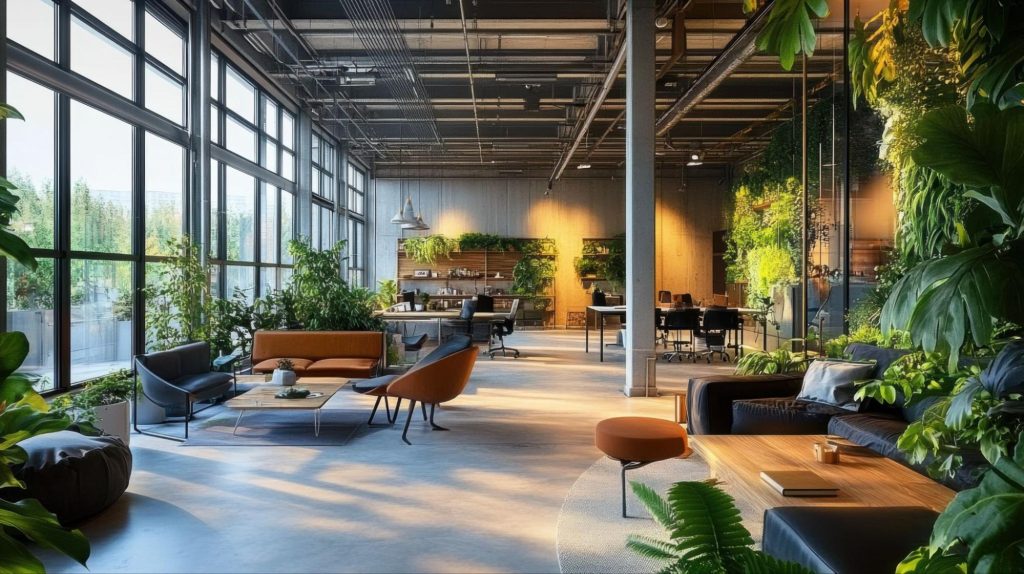
- Open-Plan Layouts and Biophilic Elements: Natural lighting, indoor plants, and organic materials create a connection with nature.
- Smart Building Technology: Automated lighting, climate control, security systems, and energy monitoring increase efficiency and functionality.
Importance of Architectural Designs
Architectural designs play a crucial role in shaping spaces:
- Functionality: Spaces are comfortable, practical, and efficient.
- Aesthetic Appeal: Designs inspire, impress, and leave a lasting impression.
- Safety and Compliance: Proper designs adhere to building codes, safety standards, and accessibility requirements.
- Sustainability and Cost Efficiency: Smart layouts and material choices reduce environmental impact and operational costs.
- Cultural and Personal Expression: Designs reflect tradition, innovation, or personal style, making each project unique.
Choosing the Right Architectural Design
Selecting the right design requires careful consideration:
- Purpose and Scope: Residential, commercial, or public spaces have different requirements.
- Budget and Timeline: Designs should align with financial constraints while allowing flexibility for quality materials.
- Style and Preference: Modern, traditional, minimalist, or eclectic designs should reflect the desired identity of the space.
- Professional Expertise: Working with skilled architects ensures practical, aesthetically pleasing, and compliant designs.
Challenges in Architectural Designs
Architectural designs often face obstacles that require creative solutions:
- Site Limitations: Uneven terrain, limited space, or environmental hazards can restrict options.
- Regulatory Compliance: Adhering to building codes, zoning laws, and accessibility standards without compromising vision.
- Budget Constraints: Balancing functional and aesthetic goals within financial limits.
- Coordination: Effective communication among architects, contractors, engineers, and clients is crucial for successful execution.
Conclusion
Architectural designs are the backbone of every successful construction project. They combine creativity, functionality, safety, and sustainability to create spaces that inspire, serve their purpose efficiently, and leave a lasting impression. Thoughtful architectural designs elevate the quality, efficiency, and aesthetics of homes, workplaces, and public areas, reflecting vision, culture, and personal values.
Investing in well-planned architectural designs ensures that buildings are visually appealing, functional, safe, and sustainable for years to come. They are more than structures—they are reflections of creativity, practical excellence, and the environments where people live, work, and thrive.