
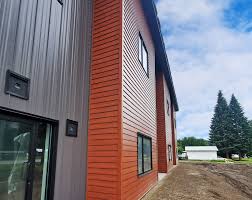
The exterior cladding of a residential or commercial structure plays a crucial role in safeguarding the building, enhancing energy efficiency, and creating a visually appealing appearance. Over time, advancements in manufacturing, material durability, and design options have dramatically improved the performance of modern siding systems. However, even the highest-quality siding materials cannot resist the effects of aging, weather, and structural movement indefinitely. Exposure to harsh sunlight, fluctuating temperatures, moisture intrusion, pest activity, and wind-driven debris gradually weakens exterior cladding, eventually making it necessary for property owners to evaluate the condition of their siding and consider whether repair or full replacement is the most effective way to restore long-term protection. Modern exterior solutions provide exceptional strength, resilience, and aesthetic diversity, giving homeowners the opportunity to enhance curb appeal while ensuring the structure remains comfortable, energy efficient, and protected from the elements. Understanding how siding functions, why it deteriorates, and what options are available when upgrading allows property owners to make confident and educated decisions for long-lasting results.
The Essential Role of Siding in Exterior Protection and Structural Longevity
Siding performs multiple functions beyond visual enhancement, acting as a critical barrier that defends the structure against environmental stressors, moisture infiltration, and pest intrusion. When siding begins to fail, the integrity of the entire exterior envelope is compromised, allowing moisture to seep beneath the panels, eventually leading to mold, rot, and structural weakening. UV exposure causes fading and brittleness, while temperature fluctuations create expansion and contraction cycles that can loosen fasteners, warp panels, or crack the material. Without a strong and intact exterior layer, interior insulation becomes less effective, energy costs rise, and hidden damage can spread quickly behind visibly deteriorating areas. Because of these risks, periodic assessments are essential to ensure the exterior cladding continues performing effectively. Property owners who understand the protective role siding plays are better prepared to take action before damage progresses to major structural concerns. When the siding can no longer provide reliable defense due to age, warping, moisture damage, or widespread deterioration, siding replacement becomes the most dependable solution for restoring strength and comprehensive protection to the entire structure.
Common Causes of Siding Damage and External Deterioration
Several environmental and physical factors contribute to the gradual deterioration of exterior siding, regardless of the material used. Prolonged exposure to sunlight causes fading and brittleness, weakening the material’s ability to resist impact. Moisture is one of the most destructive forces, especially when siding materials absorb water or when improper installation allows precipitation to seep behind the panels. Water accumulation leads to swelling, mold growth, internal decay, and eventual failure of both the siding and underlying sheathing. Temperature cycles intensify the wear, as extreme heat expands materials while cold weather causes contraction, leading to cracks, loose joints, and compromised fastening systems. High winds and airborne debris can dent, crack, or dislodge older or thinner materials, leaving vulnerable spots that allow insects and small animals to invade. Wood-based products face additional challenges such as termites, carpenter ants, and fungus growth, which can quickly deteriorate fiber integrity. Poor installation practices often accelerate these problems, as inadequate sealing, insufficient flashing, and incorrect mounting techniques leave gaps that compromise weather resistance. Regardless of the source, understanding the root causes of exterior deterioration helps homeowners identify when simple repairs are insufficient and when a full exterior upgrade becomes the best long-term solution.
Recognizing the Signs That Siding Has Reached the End of Its Lifespan
Timely recognition of siding deterioration is vital for preventing extensive structural damage and future repair expenses. Visible signs such as cracking, warping, bubbling, rot, or widespread discoloration indicate that moisture is penetrating the material or that the siding is losing its integrity. Panels that appear loose or no longer align signal compromised fastening or underlying structural shifts. Soft patches or swollen boards suggest significant moisture infiltration that may have spread to the sheathing or internal supports. Mold or mildew on interior walls adjacent to exterior surfaces often points to exterior failure. Increased indoor humidity, drafts, or unexplained rises in heating and cooling costs suggest the siding is no longer insulating efficiently. For older materials that no longer meet modern durability standards, temporary patching often fails to address deeper systemic issues. When multiple forms of deterioration appear simultaneously, or when repairs become frequent and costly, full siding replacement typically provides greater long-term value by eliminating hidden defects, restoring energy efficiency, and preventing further damage. A professional evaluation helps determine whether isolated repairs are sufficient or whether upgrading the entire exterior is the most practical approach to long-term structural health.
Exploring Modern Siding Materials and Their Performance Advantages
Advancements in exterior cladding solutions provide property owners with a wide variety of durable, low-maintenance, and visually appealing options. Vinyl siding remains one of the most widely used materials due to its affordability, weather resistance, and ability to mimic the appearance of wood without requiring extensive upkeep. Modern vinyl products are thicker, more impact-resistant, and more temperature stable compared to earlier versions. Fiber cement siding offers exceptional durability, fire resistance, and resistance to pests, making it an excellent choice for longevity and protection. Its ability to replicate the natural texture of wood while offering enhanced structural strength has made it a premium option for homeowners seeking long-lasting performance. Engineered wood siding combines the aesthetic warmth of traditional wood with advanced treatments that protect against moisture, insects, and warping, delivering impressive durability with minimal maintenance demands. Metal siding, including steel and aluminum, provides superior strength, dent resistance, and fire protection while offering sleek modern aesthetics. Insulated siding systems incorporate foam backing that increases thermal performance, reduces noise, and improves indoor comfort. Composite materials blend polymers and natural fibers to create highly resilient, fade-resistant, and dimensionally stable panels ideal for long-term protection. Understanding the characteristics and advantages of each material helps property owners select an option that matches their goals for durability, appearance, maintenance, and budget.
Planning and Executing a High-Quality Siding Upgrade
A successful siding upgrade requires detailed planning, thorough assessment, and professional installation to ensure the new exterior performs effectively for decades. The process begins with a complete inspection of the current siding and underlying structure to identify moisture damage, rot, or compromised sheathing that must be addressed before the new material is installed. Proper preparation includes removing outdated or failing siding, inspecting flashing around windows and doors, and ensuring that weather-resistant barriers are properly installed. Choosing the right siding material requires careful consideration of climate, desired aesthetics, maintenance expectations, and long-term performance goals. Skilled installers follow precise techniques for fastening, spacing, sealing, and integrating trim components to accommodate thermal expansion and prevent water intrusion. High-quality installation ensures the siding remains secure even under severe environmental stress. Once installation is complete, regular cleaning, periodic inspections, and prompt attention to any small issues help maintain the exterior’s integrity and appearance. A well-executed installation not only protects the property but also enhances overall curb appeal, energy efficiency, and long-term value.
Benefits of a Complete Siding Upgrade
Upgrading a property’s exterior siding offers a wide range of benefits that extend far beyond improved appearance. Modern materials provide superior protection against wind, rain, UV rays, and temperature fluctuations, significantly reducing the risk of structural damage caused by moisture or pests. Enhanced insulation performance helps stabilize indoor temperature and reduces heating and cooling costs, creating a more energy-efficient and comfortable living environment. New siding dramatically elevates curb appeal, making the structure look refreshed, modern, and well maintained. This visual enhancement often leads to increased property value, making siding upgrades a worthwhile investment for homeowners planning future resale. Durable, low-maintenance materials minimize ongoing upkeep requirements, allowing property owners to enjoy long-lasting performance without the frequent painting, sealing, or repairs required by older systems. When worn or outdated siding no longer protects effectively, full siding replacement provides lasting peace of mind by renewing the exterior envelope with modern solutions designed to withstand decades of exposure. The combination of aesthetic improvement, structural protection, and energy efficiency makes a siding upgrade one of the most impactful exterior improvements available today.
Emerging Trends and Innovations in Exterior Siding Technology
The siding industry continues evolving through technological innovations, sustainable manufacturing practices, and improved material engineering designed to enhance performance and longevity. Modern coatings offer exceptional fade resistance and stronger UV protection, ensuring long-lasting color vibrancy even under intense sunlight. Eco-friendly materials and manufacturing methods reduce environmental impact while maintaining high performance and durability standards. Digital design tools allow property owners to visualize color schemes, textures, and profiles before installation, making the selection process more convenient and accurate. Advanced composite materials provide superior weatherability, dimensional stability, and resistance to cracking or warping. Insulated siding options continue to grow in popularity due to their ability to significantly enhance energy efficiency and reduce noise pollution. Improvements in fastening systems, moisture barriers, and installation accessories further enhance the durability of modern siding systems. These innovations collectively contribute to longer-lasting, more durable, and more visually appealing exterior solutions that support both modern design preferences and long-term structural health.
Conclusion
Maintaining a durable, attractive, and energy-efficient exterior is essential to protecting any structure from long-term environmental damage. As siding materials age, they gradually lose their ability to safeguard the building, leading many property owners to evaluate whether repairs are sufficient or whether a full upgrade is necessary. When deterioration becomes widespread or performance declines significantly, choosing siding replacement in Bogota provides an opportunity to reinforce the structure with modern materials that offer superior durability, enhanced thermal performance, and exceptional visual appeal. By understanding the causes of siding deterioration, recognizing the signs of aging, selecting the right materials, and ensuring professional installation, property owners can enjoy the long-lasting benefits of a renewed exterior. Modern siding solutions combine advanced engineering, impressive durability, and extensive design versatility, ensuring that a well-planned siding upgrade not only protects the building but also enhances its appearance and long-term value.