
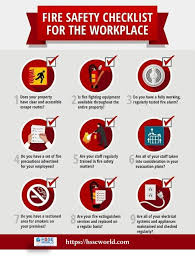
Workplace safety is a critical concern in any organization, and one significant aspect of it is fire prevention and emergency preparedness. Fires can start unexpectedly, and their impact—both human and financial—can be devastating. From minor property damage to life-threatening injuries or fatalities, the cost of inadequate fire safety procedures is immeasurable. This is why regular fire safety training is not just a recommended practice but a crucial investment in organizational resilience and the well-being of employees.
Whether in an office building, factory, warehouse, or retail space, every business faces some level of fire risk. Despite the widespread existence of fire alarms, extinguishers, and emergency exits, these tools are only effective if staff know how and when to use them. Proper training equips employees with the knowledge to act quickly and decisively. Companies seeking to improve team awareness and safety protocols should explore fire safety training programs tailored to the needs of their specific work environments.
One of the primary benefits of regular fire safety training is compliance with health and safety regulations. In the UK, businesses are legally obligated under the Regulatory Reform (Fire Safety) Order 2005 to ensure that employees receive adequate fire safety instruction. Failure to meet these standards can result in hefty fines or legal action. Training ensures that your organization is demonstrating due diligence and meeting its statutory responsibilities, reducing both liability and risk.
Fire safety training also plays a vital role in fostering a culture of safety across an organization. It raises awareness, encourages vigilance, and reinforces the importance of preparation. When employees are trained regularly, their sense of ownership over workplace safety grows, making them more likely to report hazards or act quickly during emergencies. This proactive mindset is a cornerstone of risk mitigation and helps prevent small issues from turning into major incidents.
Moreover, training exercises help teams rehearse what to do in a crisis. This familiarity can dramatically improve response times during an emergency. Participants learn how to identify exits, use extinguishers, and assist others while evacuating. Fire wardens and designated safety officers also benefit from training updates that address new protocols or changes in building layouts. Regular drills and refreshers keep these critical roles prepared for any scenario.
Well-structured training programs often include modules on identifying fire risks specific to your industry, practical extinguisher use, safe evacuation procedures, and communication strategies during an emergency. Interactive scenarios and role-playing elements can further increase engagement and knowledge retention. These can prove invaluable when the pressure of a real event demands split-second decisions from your staff.
Another important aspect is integrating fire safety training into new employee orientation and providing refresher sessions annually. This ensures that everyone—from longtime staff to new hires—is aligned on safety protocols. Particularly in high-turnover roles or rapidly growing companies, consistent training is essential to maintain organizational readiness.
Investing in fire safety training isn’t merely about compliance or checking boxes—it’s about human lives. It prepares people to protect themselves and others during incredibly stressful situations. In workplaces with hazardous materials or high occupancy rates, such training can be the difference between a safe evacuation and a disastrous outcome.
In addition to protecting people, regular training minimizes potential damage to assets and infrastructure. The faster a fire is spotted and dealt with, the less harm is done. Trained staff can contain small incidents before they escalate, potentially saving the business thousands in repair costs and downtime.
Ultimately, organizations that prioritize fire safety training demonstrate responsibility and care for their employees’ well-being. It reflects a commitment to long-term success, showing clients, regulators, and team members that the company is serious about protecting lives and property. Regularly revisiting and improving these efforts ensures that fire safety remains an active priority and not just a one-time initiative.
As the saying goes, it’s better to be proactive than reactive. In fire safety, that mindset can save lives. Every organization, regardless of size, should make fire safety training a key pillar of its workplace safety strategy.