
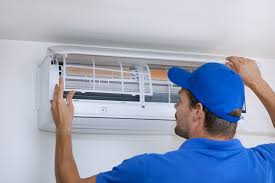
Keeping your air conditioner running well doesn’t have to be complicated. Most people assume that AC maintenance means expensive servicing or major upgrades, but that’s not always true. Small, simple habits can make a big difference. They help your system last longer, keep your home comfortable and even reduce the amount of energy it uses. This is especially helpful if you’ve recently installed a new unit through the Victorian Energy rebate program. A bit of care goes a long way.
Below is an easy, beginner-friendly guide to small changes that protect your air conditioner and improve its lifespan.
Clean or replace your filters regularly
Dirty filters are one of the biggest reasons air conditioners slow down or break down early. When dust builds up, the system has to work harder to pull air through. That extra strain leads to higher running costs and reduces the life of the unit.
Most households should clean or replace filters every one to two months during heavy use. If you live in a dusty area or use the AC daily, you may need to do it more often. A quick wash under running water or a filter change takes only a few minutes but keeps the airflow smooth and reduces wear on internal parts.
Keep the outdoor unit clear
Your outdoor unit needs space to breathe. If plants, leaves or dust block the vents, the system heats up faster and the compressor works overtime. This is one of the most expensive parts to replace.
Make it a habit to check your outdoor unit every few weeks. Clear away leaves, trim nearby plants and give the area enough space for ventilation. Even a 30-centimetre clearance helps.
If the unit is close to the ground, you may also notice dirt building up. A gentle wipe or brush is usually enough. Avoid spraying water directly inside, as this can push dirt further into the system.
Clean the indoor vents
Indoor vents can also collect dust. When they get blocked, the airflow becomes uneven. This puts pressure on the fan motor and reduces cooling efficiency.
You can vacuum the vents using a soft brush attachment. For deeper cleaning, wipe them with a damp cloth. Make sure to dry them fully before switching the unit back on.
This simple task improves air quality and reduces the chance of dust clogging internal parts.
Use your air conditioner wisely
The way you use your AC affects how long it lasts. Small behavioural changes help reduce strain on the system.
Use the right temperature
Setting the temperature extremely low doesn’t cool the room faster. It only forces the system to run longer at full power. A setting between 23–25°C is usually enough for comfort. This range reduces pressure on the compressor, helping it last longer.

Avoid constant on-off cycles
Many people turn the AC on and off repeatedly, thinking it saves power. It does the opposite. Each restart forces the compressor to work harder. Instead, keep the AC running steadily at a reasonable temperature.
Use fan mode when possible
Once your room is cool, switch to fan mode. This keeps the cool air circulating without forcing the compressor to run continuously.
Keep doors and windows closed
This sounds obvious, but it’s one of the biggest reasons air conditioners wear out early. If warm outdoor air enters the room, your AC has to work much harder to maintain the temperature. This constant strain affects the motor, compressor and thermostat.
Make sure all windows, doors and gaps are sealed well. Curtains and blinds also help reduce heat coming from outside, especially on summer days.
Reduce heat inside the home
Anything that increases indoor heat makes your AC work harder. A few small changes can help:
- Use LED lighting, which produces less heat
• Avoid using the oven or stove during the hottest part of the day
• Keep electronics like laptops away from the AC sensor
• Use curtains or blinds to block direct sunlight
Less heat inside means the AC cools faster and runs fewer cycles, which helps extend its life.
Schedule simple seasonal checks
You don’t always need a full professional service, but seasonal check-ups help you spot small issues before they become major problems.
Before summer starts:
• Clean the filters
• Check the outdoor unit for debris
• Make sure vents open and close properly
Before winter:
• Dry-run the air conditioner in fan mode for a few hours
• Clean both units again
• Check for unusual sounds
These quick checks prevent dust buildup, mould and moisture problems that can shorten your AC’s lifespan.
Make sure your insulation is good
Poor insulation makes your air conditioner work harder than necessary. If cool air escapes through walls, ceilings or windows, the AC runs longer and wears out faster.
You don’t need major renovations. Simple steps help:
• Seal small gaps around windows and doors
• Use draft stoppers
• Add heavier curtains
• Place rugs on bare floors to reduce heat transfer
Good insulation supports the AC by keeping cool air where it belongs.

Give your air conditioner a break when possible
Running an air conditioner nonstop shortens its lifespan. During mild weather, switch to natural ventilation or fans. Even short breaks give the compressor time to rest.
If you’re leaving home for a few hours, use a timer to prevent the AC from running unnecessarily. This reduces wear and saves electricity.
Check for unusual noises or smells
Strange sounds or smells are early warning signs. A rattling sound could mean a loose panel. A burning smell may indicate wiring issues. A musty smell often means mould or moisture buildup.
Addressing these early saves you from bigger problems later. If you’re unsure, turn off the unit and get it inspected. Ignoring small signs often leads to costly repairs.
Keep furniture away from vents
Blocked vents stop the cool air from spreading evenly. This makes the AC run longer and harder to reach the set temperature. Over time, the stress affects both the compressor and the fan motor.
Rearrange furniture so that sofas, cabinets or curtains don’t block airflow. Even a few centimetres of clearance makes a difference.
Use ceiling fans to support your AC
Fans don’t cool the air, but help circulate it. This allows your air conditioner to work less, especially during peak summer. Setting the fan to rotate counterclockwise helps push cool air downwards.
With better air movement, your AC doesn’t need to run at full power all the time, which extends its life.
Don’t ignore yearly servicing
While small changes help a lot, a yearly service keeps the internal parts in good condition. A technician can clean coils, check gas levels and ensure nothing is wearing out.
Think of it like servicing your car. Regular check-ups prevent sudden breakdowns and help your AC last much longer.
Final thoughts
Air conditioners last longer when they’re used with care. You don’t need complex maintenance or costly upgrades. Simple habits like cleaning filters, protecting the outdoor unit, using the right temperature setting and supporting the AC with fans make a noticeable difference.
These small steps keep the system healthy, lower running costs and reduce breakdowns. Whether you’ve installed a new unit recently or upgraded through programs like the air conditioner rebate, taking care of your system ensures you get the most value from it.