
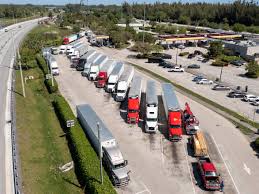
Finding safe and convenient parking for trucks is a vital aspect of the transportation and logistics industry, impacting driver safety, operational efficiency, and compliance with regulations. Long-haul truck drivers face unique challenges on the road, and access to suitable parking is critical for rest, maintenance, and overall well-being. Unfortunately, the increasing number of trucks on highways and the growing demand for freight transportation have created significant pressures on available parking infrastructure. Understanding the importance, challenges, and strategies surrounding parking for trucks is essential for drivers, fleet managers, and policymakers looking to improve the overall efficiency and safety of the transportation sector.
The Importance of Adequate Parking for Trucks
Adequate parking for trucks is more than just a convenience; it is a necessity for safety and compliance. Truck drivers are required to adhere to strict hours-of-service regulations that mandate rest periods to prevent fatigue and ensure safe driving. When drivers are unable to find appropriate parking, they may be forced to stop in unsafe or unauthorized locations, such as highway shoulders, small streets, or unregulated lots. These situations not only pose significant safety risks but can also result in fines, delays, and increased stress for drivers. Safe and accessible parking areas provide truck drivers with the ability to rest properly, reduce the risk of accidents, and maintain the integrity of their cargo.
Moreover, parking for trucks is essential for operational efficiency. Logistics companies rely on precise scheduling to ensure timely deliveries, and the availability of secure parking affects the predictability of routes. Delays caused by insufficient parking can cascade through supply chains, leading to missed deadlines, higher fuel costs, and diminished customer satisfaction. By providing reliable and well-maintained parking facilities, the transportation industry can support both the drivers and the broader logistics ecosystem.
Challenges in Securing Parking for Trucks
Despite its importance, securing sufficient parking for trucks remains a significant challenge. One of the primary issues is the sheer shortage of available spaces along major transportation routes. As the number of trucks on the road continues to rise, the demand for parking has outpaced the development of new facilities. Drivers often compete for limited spots, leading to overcrowding and situations where parking is unavailable during critical times.
Another major challenge is the safety and quality of existing parking areas. Many parking lots lack adequate lighting, security measures, or essential amenities such as restrooms and food services. Poorly maintained surfaces, tight spaces, and insufficient drainage can further create hazardous conditions for trucks, making parking both inconvenient and risky. Additionally, fluctuating traffic patterns and seasonal variations in freight movement can exacerbate the demand for truck parking, creating unpredictable availability for drivers.
Regulatory challenges also impact the availability of parking for trucks. Local zoning laws, environmental restrictions, and land-use regulations can limit the development of new facilities or expansion of existing lots. Compliance with health and safety requirements adds further complexity to planning and maintaining effective truck parking infrastructure.
Best Practices for Truck Drivers
Truck drivers can take proactive steps to improve their experience with parking for trucks. Planning routes in advance with designated parking stops in mind is one of the most effective strategies. Mobile apps, GPS systems, and online platforms now provide real-time information about available parking spaces, occupancy levels, and amenities. By using these tools, drivers can reduce stress, avoid long searches for parking, and ensure compliance with hours-of-service regulations.
Flexibility is also crucial for drivers, as unexpected delays, road closures, or weather events may necessitate finding alternative parking options. Being prepared with multiple potential parking locations along the route can save valuable time and reduce fatigue. Safety should always be a priority when choosing parking. Selecting well-lit, secure locations with sufficient space to maneuver helps prevent accidents, theft, and vehicle damage.
Additionally, maintaining awareness of local regulations and restrictions ensures that drivers avoid fines and penalties. Truck drivers who follow these best practices not only enhance their own safety and comfort but also contribute to the efficiency and reliability of the transportation system as a whole.
Role of Truck Parking in Fleet Management
For fleet managers, effective parking for trucks is a critical component of operational planning. Ensuring that drivers have access to secure, convenient parking helps maintain schedules, prevent violations, and reduce downtime. By tracking parking availability and planning routes accordingly, fleet managers can minimize delays and optimize productivity.
Many companies now collaborate with parking facility operators or invest in reserved spaces to guarantee that drivers have access to reliable parking. This approach not only improves driver satisfaction but also helps maintain compliance with regulatory requirements and reduces the stress associated with finding available parking on busy routes. Integrating parking considerations into fleet management strategies enhances operational efficiency and supports long-term business success.
Innovations in Truck Parking Solutions
As the demand for parking for trucks continues to rise, innovative solutions are being developed to address the challenges faced by drivers and fleet managers. Smart parking systems utilize sensors, real-time data, and mobile applications to provide accurate information about parking space availability, wait times, and amenities. These technologies allow drivers to plan more effectively, reduce congestion, and minimize the risks associated with unsafe or unauthorized parking.
Public-private partnerships have also been instrumental in expanding truck parking infrastructure. Governments and private operators collaborate to develop new facilities, improve existing lots, and create incentives for the implementation of modern, secure, and well-maintained parking areas. Such initiatives help address the growing shortage while ensuring that parking facilities meet high safety and quality standards.
Sustainability is increasingly a consideration in the design of truck parking facilities. Incorporating solar-powered lighting, electric vehicle charging stations, stormwater management systems, and eco-friendly construction materials contributes to environmental responsibility while improving the quality of parking spaces. These green initiatives reflect the transportation sector’s commitment to both operational efficiency and ecological sustainability.
Future Trends in Truck Parking
The future of parking for trucks is likely to be shaped by technological advancements, regulatory changes, and evolving industry demands. Autonomous trucks and connected vehicle technology may influence parking requirements and the design of facilities. Increasing adoption of electric trucks will necessitate charging infrastructure integrated into parking areas. Additionally, urbanization and increased freight volumes will continue to drive the need for innovative, high-capacity parking solutions.
Investments in technology, infrastructure, and operational planning will be critical in ensuring that drivers have access to safe, reliable, and well-equipped parking. By anticipating future trends, the transportation industry can create facilities that accommodate growing demand while prioritizing safety, efficiency, and sustainability.
Conclusion
Parking for trucks is a fundamental aspect of the transportation industry that directly affects driver safety, operational efficiency, and regulatory compliance. From ensuring that drivers have safe and secure spaces to rest, to supporting fleet managers in maintaining schedules and reducing costs, the availability and quality of truck parking are essential to the smooth functioning of logistics networks. Despite challenges such as limited spaces, regulatory restrictions, and infrastructure quality issues, innovative solutions, strategic planning, and technological advancements are paving the way for more efficient and sustainable parking options. By prioritizing safety, comfort, and accessibility, the industry can create a system of truck parking that meets the needs of drivers today while preparing for the demands of tomorrow. Whether through smart parking technologies, improved facility design, or proactive fleet management, the importance of parking for trucks cannot be overstated, as it serves as a cornerstone of safe and efficient transportation operations.