
Introduction
Forestry mulching has become an essential tool for landowners, property managers, and conservationists seeking efficient methods of land clearing and vegetation management. Unlike traditional land clearing methods that involve extensive labor, heavy machinery, or chemical treatments, forestry mulching combines multiple tasks into a single operation, allowing for the removal of trees, shrubs, and brush while simultaneously converting them into mulch. This mulch acts as a natural layer of organic material that enriches the soil, retains moisture, prevents erosion, and encourages regrowth of native vegetation. The versatility and environmental advantages of forestry mulching have made it a preferred choice for sustainable land management practices, offering both economic efficiency and ecological benefits.
Forestry mulching is particularly advantageous because it addresses several challenges simultaneously. Landowners can clear overgrown areas without the need for hauling debris, burning vegetation, or applying herbicides. This method reduces environmental impact while maintaining soil health and improving land usability. By understanding the processes, applications, benefits, and techniques of forestry mulching, landowners and operators can make informed decisions that enhance property value, reduce long-term maintenance costs, and support sustainable practices in land management.
What is Forestry Mulching?
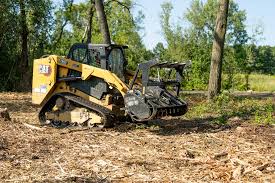
Forestry mulching is a land clearing and vegetation management process that uses specialized machinery to cut, grind, and shred trees, brush, and shrubs directly on-site. The resulting material is left on the ground as mulch, which decomposes over time, improving soil quality and providing a natural barrier against erosion. Unlike conventional methods such as bulldozing, controlled burning, or chemical herbicide application, forestry mulching minimizes environmental disturbance and preserves the natural characteristics of the land.
The machinery used in forestry mulching is highly specialized. Typically, a mulcher is equipped with high-torque, rotating cutting heads capable of processing trees of various sizes and dense brush efficiently. The process allows operators to selectively clear land, manage invasive plant species, and maintain natural ecosystems without compromising soil integrity or causing excessive disruption to surrounding flora and fauna. The efficiency and precision of forestry mulching make it an ideal solution for projects ranging from trail maintenance and right-of-way clearing to wildfire mitigation and agricultural land preparation.
Benefits of Forestry Mulching
Forestry mulching provides a wide range of benefits that extend to both land management and environmental sustainability. Its efficiency and multifunctionality make it a preferred method for clearing and maintaining land.
Environmental Sustainability: One of the primary advantages of forestry mulching is its environmentally friendly nature. By recycling organic material on-site as mulch, the process avoids the need for chemical herbicides, controlled burning, or transportation of debris to landfills. The mulch decomposes naturally, enriching the soil with nutrients and supporting healthy plant growth, which helps maintain ecological balance.
Erosion Control: Forestry mulching creates a protective layer of mulch that shields the soil from erosion caused by wind, rainfall, and surface runoff. This is especially valuable on slopes, hillsides, and areas prone to soil degradation, as it maintains soil structure and promotes water retention.
Cost and Time Efficiency: Traditional land clearing methods require multiple stages, including cutting, hauling, and disposal of vegetation, often involving several types of equipment and extensive labor. Forestry mulching consolidates these tasks into a single operation, significantly reducing operational costs and saving time.
Wildfire Risk Reduction: Dense vegetation and overgrown brush serve as fuel for wildfires. Forestry mulching removes this excess vegetation efficiently, creating defensible spaces that reduce the risk of fire spreading and enhancing property and ecosystem protection.
Enhanced Land Usability: By clearing land efficiently while preserving soil integrity, forestry mulching allows landowners to repurpose property for a variety of uses, including agriculture, grazing, recreational trails, or development projects. The process improves accessibility and usability without compromising the natural environment.
Applications of Forestry Mulching
The versatility of forestry mulching makes it suitable for a wide range of applications. Its ability to handle dense vegetation and leave nutrient-rich mulch behind ensures that the land remains healthy and productive after clearing.
Land Clearing for Development: Forestry mulching is often employed to prepare land for residential, commercial, or agricultural development. Unlike conventional methods, it allows developers to clear overgrown areas efficiently without extensive labor or environmental impact, leaving the land ready for construction or landscaping.
Right-of-Way Maintenance: Utility companies and municipal authorities frequently use forestry mulching to maintain vegetation along pipelines, power lines, and roadways. The process removes overgrowth and keeps these areas accessible while minimizing maintenance costs and disruptions to operations.
Invasive Plant and Brush Management: Many regions struggle with invasive species that threaten native ecosystems. Forestry mulching effectively removes these species while leaving the soil intact and fertile. The process also supports regrowth of native vegetation, contributing to ecological restoration.
Agricultural and Pasture Management: Farmers and ranchers rely on forestry mulching to manage brush and maintain pastures. By removing overgrown vegetation and leaving a layer of mulch, land becomes more accessible, and soil fertility improves, resulting in better forage production and grazing conditions.
Wildfire Mitigation: Forestry mulching is a key tool in reducing wildfire risk. By clearing dense brush and trees, property owners can create defensible spaces and reduce fuel loads, which enhances community safety and protects ecosystems from catastrophic fire damage.
Forestry Mulching Equipment and Techniques
Modern forestry mulching equipment is designed to handle challenging terrain and dense vegetation with efficiency and precision. Machinery ranges from compact skid-steer attachments for small properties to large tracked mulchers capable of clearing acres of overgrowth in a single pass.
Key features of forestry mulching equipment include:
- Rotary Cutting Heads: High-torque blades that shred trees, brush, and stumps into fine mulch.
- Hydraulic Power Systems: Provide consistent force to the cutting head, ensuring efficiency in dense vegetation.
- Tracked or Wheeled Chassis: Allow the machine to navigate rugged terrain, slopes, and uneven surfaces with stability.
- Safety Features: Protective cabs, emergency shut-off systems, and operator-friendly controls ensure safe operation.
Effective forestry mulching requires careful planning. Operators assess the land to identify areas of dense vegetation, potential hazards, and sensitive environmental zones. Work is often completed in stages, starting with larger trees and progressing to smaller brush, resulting in a uniform mulch layer that benefits soil health. Proper planning and execution ensure minimal disruption to the surrounding ecosystem and maximized efficiency of the clearing operation.
Environmental Considerations in Forestry Mulching
While forestry mulching provides significant ecological benefits, responsible execution is critical. Operators should avoid sensitive habitats such as wetlands or areas supporting endangered species unless clearance is approved and carefully managed. Timing is also important to minimize disturbance to wildlife, particularly during breeding or nesting seasons.
Forestry mulching reduces the carbon footprint associated with traditional land clearing. Unlike burning or hauling debris to landfills, the organic material remains on-site, decomposes naturally, and contributes to carbon sequestration. Additionally, forestry mulching supports soil microbiomes and enhances overall ecosystem health by promoting native plant regrowth and controlling invasive species.
Choosing a Professional Forestry Mulching Service
Selecting the right professional service for forestry mulching is essential for optimal results. Experienced operators bring knowledge of terrain, vegetation types, and safety protocols, ensuring efficient and environmentally responsible land clearing. Factors to consider when choosing a service include equipment quality, operator expertise, insurance coverage, and environmental stewardship practices. Reputable providers conduct site assessments, develop tailored plans, and execute projects with minimal risk to property and ecosystems. By choosing professionals, landowners ensure that forestry mulching delivers maximum benefits with long-term sustainability.
Conclusion
Forestry mulching is a transformative land management solution that combines efficiency, sustainability, and environmental stewardship. By removing trees, shrubs, and brush while converting them into nutrient-rich mulch, forestry mulching enhances soil quality, reduces wildfire risks, and improves the usability of land for a variety of applications. Its versatility, cost-effectiveness, and ecological advantages make it a preferred method for land clearing, vegetation management, and sustainable property maintenance. Whether for agricultural, recreational, or development purposes, forestry mulching provides long-term benefits to both landowners and the environment. Investing in professional forestry mulching ensures land is managed responsibly, efficiently, and sustainably, supporting ecological balance, property productivity, and overall land value.