
Homeowners often buy whole house generators to avoid stress during power outages. Many transactions fail because purchasers hurry to make selections without fully understanding their needs. Mistakes cause poor performance, increased expenditures, and continuing dissatisfaction. A generator should be appropriate for the residence, local restrictions, and long-term usage plans. This tutorial outlines frequent purchasing blunders and why they occur. Clear awareness enables homeowners to prevent costly shocks. Understanding the sizing, cost, installation, and fuel options increases results. With appropriate planning, homeowners can preserve their budgets, equipment, and comfort. Learning from frequent errors ensures that the generator operates successfully during outages and provides dependable backup power for years.
What Are the Most Common Whole Home Generator Buying Mistakes?
Choosing the Wrong Generator Size for the Home
Choosing the incorrect generator size is the most common error homeowners make. An undersized generator fails to start appliances and shuts off when loaded. Oversized generators waste fuel and raise maintenance expenses. Many purchasers estimate size based only on square footage. This technique overlooks actual electrical demand. Starting watts from HVAC systems, pumps, and freezers are most important. Without correct load calculations, performance degrades. Professional sizing takes into account operating wattages, surge loads, and panel capacity. Load management choices may influence size requirements. Homeowners who appropriately size earn increased efficiency, longer equipment life, and reliable power during outages without incurring needless costs. This planning phase saves future breaker tripping and system replacements.
Focusing Only on Price Instead of Long-Term Value
When purchasing a generator, many homeowners only consider the initial cost. Lower-cost machines frequently lack durability, technical support, and complex controls. Cheap systems may need regular repairs and replacement. Long-term worth is determined by construction quality, efficiency, and warranty coverage. Reliable companies spend on testing and support networks. Fuel economy also influences lifetime cost. Installation quality and maintenance programs increase value over time. A greater beginning price can minimize operational costs. Homeowners should examine overall ownership costs rather than sticker prices. This method leads to increased dependability and fewer unexpected expenditures. Many homes across the country benefit from careful examination to safeguard their finances and avoid regret after the first significant outage incident.
Ignoring Noise Levels, Placement, and Local Rules
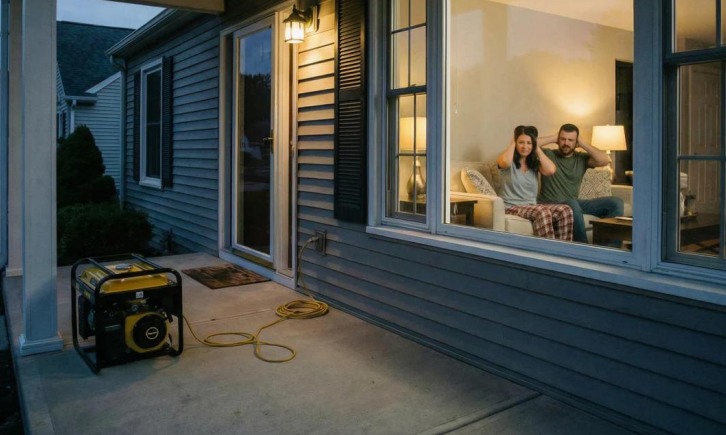
Homeowners frequently disregard noise levels, location restrictions, and municipal ordinances. Generators emit noise, which disturbs neighbors and reduces family comfort. Local regulations limit decibel levels and operation hours. Placement standards govern the space between property borders, windows, and doors. Poor location raises vibration and exhaust concerns. Some purchasers put units too close to living areas. Others disregard zoning or homeowner association laws. Violations result in penalties and compulsory relocation. Checking noise ratings before making a purchase helps to reduce complaints. Reviewing local rules early on helps to minimize delays, redesign expenses, and legal concerns during installation. Professional site evaluations assist homeowners in meeting requirements while preserving performance and community harmony by ensuring adequate planning, documentation, and collaboration with local authorities throughout installation.

Why Do Homeowners Overlook Installation and Fuel Factors?
Underestimating Installation Complexity and Site Needs
Many homeowners misunderstand the complexity of installing a whole-home generator. Installation involves electrical, mechanical, and occasionally gas work. Pads, clearances, and drainage design are all part of site preparation. Electrical panels may require updates or reconfiguration. Transfer switches need proper wiring and testing. Fuel connections must fulfill safety requirements. Poor planning causes delays and additional expenditures. Some consumers imagine that installation is quick and easy. Prior to beginning work, professional installers assess the site circumstances. Understanding the installation scope allows homeowners to budget effectively and prevent unexpected fees later. Clear planning reduces schedules, enhances safety, and assures that the system operates as intended from the initial inspection to final commissioning and utility approval by qualified specialists only.
Selecting the Wrong Fuel Type or Supply Setup
Fuel choice has a significant impact on generator dependability and running costs. Many homeowners choose fuel kinds without considering availability. Natural gas relies on utility infrastructure. Propane demands enough tank capacity and refilling plans. Diesel requires appropriate storage and fuel treatment. Gasoline degrades rapidly and requires regular refilling. Regional calamities may affect gasoline supplies. Using the improper fuel results in runtime restrictions and shutdowns. Homeowners should evaluate local threats and access. Matching fuel type to location increases dependability. Proper fuel planning guarantees uninterrupted functioning even after lengthy outages. Consulting specialists assist in balancing cost, storage requirements, safety issues, and long-term supply stability in response to local climate, legislation, and home power demand trends over time.
Skipping Permits, Inspections, and Code Requirements
Some homeowners avoid permits and inspections to save time or money. This error raises safety concerns and legal issues. Local governments demand licenses for electrical, gas, and structural improvements. Inspections ensure code compliance and safe functioning. Unpermitted installations may invalidate warranties and insurance coverage. Utilities may decline service hookups. Future home transactions may experience delays or fines. Code infractions can result in expensive remedies. Professional installers manage permits as part of their services. Following legal standards protects homeowners and guarantees long-term system approval. Permits also document work quality and give responsibility during inspections or emergency service situations, which is useful for homeowners when negotiating disputes, improvements, or future system expansions with local officials.
Conclusion
Purchasing a full home generator needs careful consideration and educated selections. Common problems include sizing, price, location, installation, fuel, and legal compliance. Each error adds expense, risk, or annoyance. Homeowners who investigate their issues and engage with specialists have better outcomes. Understanding long-term worth avoids regret. Proper installation and permits ensure safety and investment. Correct fuel selection guarantees a consistent runtime. When homeowners avoid these blunders, generators function as expected. Thoughtful planning ensures stable backup power, easier ownership, and peace of mind. A well-chosen system provides reliable support for the house during outages for many years, reducing long-term maintenance and stress.