
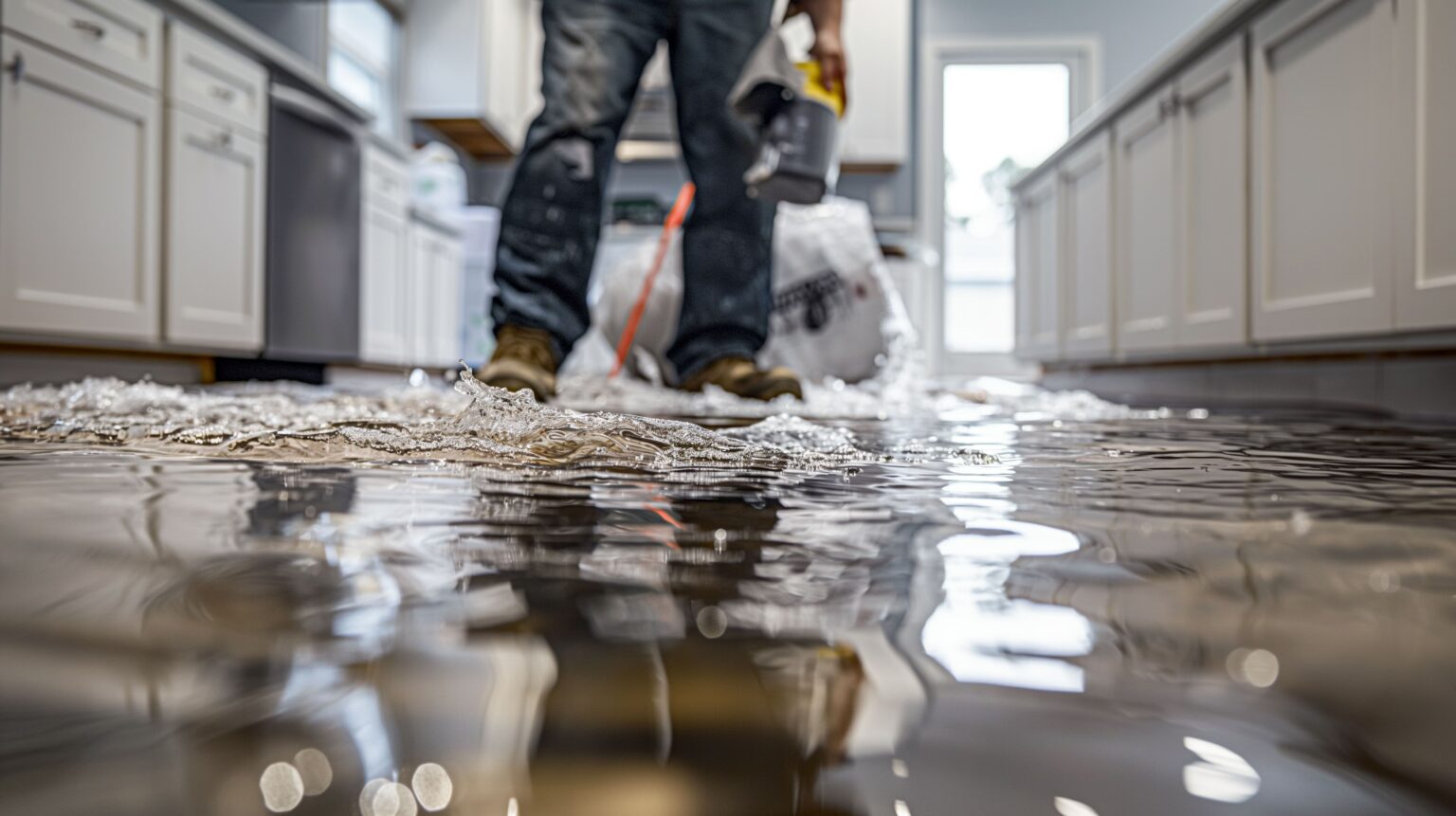
Water damage is one of the most destructive problems a property can experience. Whether caused by a burst pipe, heavy rainfall, appliance failure, or hidden plumbing leaks, water can infiltrate structural materials, compromise safety, and create the perfect conditions for mold growth. Professional water damage restoration is crucial for reversing the impact of water intrusion, preventing further deterioration, and restoring a property to its pre-loss condition. This process requires speed, expertise, and specialized equipment, making it essential for homeowners and businesses facing any level of water-related damage. Understanding how restoration works, why it matters, and what steps professionals take can help property owners protect their investments and avoid costly long-term consequences.
Understanding the Impact of Water Damage
Water may seem harmless, but even a small leak can lead to major issues if left unattended. Structural components such as drywall, wood, insulation, and flooring quickly absorb moisture. Over time, this trapped moisture causes warping, rotting, staining, and mold growth. Electrical wiring, HVAC systems, and the foundation may also be affected depending on the source and extent of the damage. Water damage spreads rapidly, and immediate action is essential for minimizing loss.
Besides structural damage, water introduces health hazards. Standing water can harbor bacteria, chemicals, and contaminants depending on the water source. When sanitation concerns arise, rapid extraction and disinfection are essential. This is why professional restoration services follow strict protocols to ensure safety, effectiveness, and long-term property protection.
The Importance of Immediate Response
The speed at which restoration begins determines how severe the ultimate damage will be. Water spreads through porous materials within minutes, and mold can begin growing in as little as 24 to 48 hours. The longer water sits, the greater the damage becomes, raising restoration costs and complicating repairs.
Professional restoration companies offer emergency services to respond quickly. Rapid water extraction, drying, and dehumidification prevent further deterioration and help salvage belongings that might otherwise be lost. Immediate intervention also reduces the risk of structural collapse, electrical hazards, and microbial contamination. Being prepared to act quickly can save property owners from extensive repairs and significant financial loss.
Categories and Classes of Water Damage
Water damage is classified based on contamination level and severity. Understanding these categories helps determine the proper restoration approach.
Category 1: Clean water from sources such as broken supply lines or overflowing sinks. This water poses minimal health risks but still requires prompt removal.
Category 2: Grey water containing contaminants from appliances like dishwashers or washing machines. It may cause illness if ingested or exposed to skin for extended periods.
Category 3: Black water from sewage backups, floodwaters, or stagnant water. Highly unsanitary and dangerous, requiring specialized handling and protective equipment.
Damage is also classified by how deeply it penetrates building materials. These classes guide restoration professionals in determining the equipment and drying strategies needed. Understanding both category and class ensures that the restoration process is accurate, efficient, and safe.
The Water Damage Restoration Process
Effective restoration involves several carefully executed steps. Each step plays a crucial role in preventing further damage, ensuring safety, and returning the property to a livable condition.
1. Inspection and Assessment
Professionals begin by evaluating the extent of the damage. Moisture meters, thermal imaging cameras, and visual inspections are used to identify hidden moisture pockets. This assessment guides the restoration plan, ensuring that no affected area is overlooked.
2. Water Extraction
Removing standing water is the highest priority. Industrial pumps and vacuums are used to extract water quickly and efficiently. The sooner water is removed, the less likely mold will develop, and the less damage materials will sustain. This step prevents further saturation and reduces drying time significantly.
3. Drying and Dehumidification
Once standing water is gone, moisture trapped in walls, floors, and structural materials must be removed. High-powered air movers, commercial dehumidifiers, and drying systems are strategically placed to accelerate evaporation. Drying may take several days depending on the severity of the intrusion. Monitoring equipment ensures that materials reach acceptable moisture levels before the next phase begins.
4. Cleaning and Sanitizing
Water contamination requires thorough cleaning and sanitization. Professionals disinfect surfaces, remove debris, treat materials to prevent mold growth, and clean personal belongings when possible. Depending on the contamination category, specialized antimicrobial treatments may be applied to ensure the environment is safe and hygienic.
5. Restoration and Repairs
Restoration is the final phase, involving repairs or replacement of damaged materials. This may include installing new drywall, repairing flooring, painting walls, replacing insulation, or reconstructing sections of the property. Full restoration returns the property to its original condition, both structurally and aesthetically.
Mold Prevention and Remediation
One of the most significant risks associated with water damage is mold growth. Mold thrives in damp environments, spreads quickly, and poses health risks, including respiratory problems and allergic reactions. Preventing mold begins with proper drying, but if mold is already present, professionals conduct thorough remediation.
Mold remediation involves isolating the affected area, removing mold-contaminated materials, treating surfaces with antimicrobial agents, and improving ventilation. Preventing future growth requires eliminating moisture sources and improving humidity control. Incorporating mold prevention into water damage restoration in boulder city ensures that the property remains safe, healthy, and structurally sound.
Protecting Structural Components
Water can weaken structural components such as beams, joists, and support walls. Prolonged exposure causes wood to warp, metal to corrode, and foundations to crack. Professional restoration includes evaluating structural integrity and performing necessary repairs to ensure the property remains stable. Reinforcing structures that have been compromised prevents future issues and ensures long-term safety.
Flooring materials are also vulnerable. Hardwood floors may buckle, laminate flooring can swell, and carpets absorb contaminants. Restoration teams assess each material and determine what can be salvaged and what must be replaced. Their goal is always to restore as much as possible while ensuring safety and quality.
Restoring Personal Belongings
Water-damaged belongings, including furniture, electronics, documents, and sentimental items, require special care. Restoration experts use specialized equipment, such as freeze-drying chambers for documents or ultrasonic cleaning systems for delicate items, to salvage what can be saved. Proper handling prevents further damage, and detailed inventorying ensures belongings are documented for insurance purposes.
Working with Insurance Companies
Water damage often leads to insurance claims, and navigating the process can be overwhelming. Professional restoration companies often assist clients by documenting damage, providing estimates, and coordinating directly with insurance providers. Their expertise ensures that claims are processed efficiently and accurately. Detailed documentation supports fair compensation and reduces the burden on property owners.
Long-Term Prevention Strategies
After restoration, preventing future water damage is essential. Routine inspections, proper maintenance, and timely repairs help reduce risk. Waterproofing basements, installing sump pumps, maintaining plumbing systems, and cleaning gutters regularly can significantly decrease the likelihood of future incidents.
Improving ventilation, monitoring humidity levels, and updating outdated appliances also help maintain a safe environment. Property owners who prioritize prevention are less likely to face extensive restoration needs again.
The Value of Professional Water Damage Restoration
While minor water issues can sometimes be managed independently, true restoration requires professional expertise. Trained technicians follow industry standards, use advanced equipment, and understand the complexities of structural drying and sanitation. Their work ensures that moisture is fully removed, contamination is properly treated, and the property is restored safely.
Investing in professional water damage restoration saves time, money, and stress. It prevents long-term structural issues, protects health, and preserves the value of the property. Without expert intervention, hidden moisture or improper repairs can lead to recurring problems and significantly higher costs in the future.
Conclusion: Restoring Safety, Comfort, and Peace of Mind
Water damage can be overwhelming, but timely and professional restoration can reverse even severe effects. From rapid extraction and thorough drying to mold prevention and structural repairs, the restoration process restores the integrity and livability of the property. Understanding how water damage occurs, why immediate action matters, and what professionals do empowers property owners to make informed decisions. With expert water damage restoration, homes and businesses can recover quickly, remain safe, and regain their full value. Proper restoration not only repairs the present issue but also helps prevent future problems, ensuring long-term protection and peace of mind.