
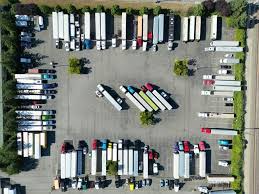
Introduction: Understanding the Importance of Truck Parking
Truck parking is a vital component of the transportation and logistics ecosystem, supporting the safe and efficient movement of goods across long distances. As commercial vehicles increase in number and freight demand continues to grow, the need for reliable truck parking has never been greater. For long-haul drivers, finding safe, secure, and accessible parking is essential to comply with hours-of-service regulations, reduce fatigue, and protect cargo. Beyond regulatory compliance, truck parking is critical for operational efficiency, allowing fleet managers to plan routes effectively, schedule maintenance, and ensure on-time deliveries. Without adequate parking options, drivers face challenges such as unsafe stopping, wasted time, and increased stress, all of which can disrupt the broader supply chain.
The Growing Demand for Truck Parking
The logistics industry has expanded rapidly due to global trade, e-commerce, and intercity commerce, putting increased pressure on truck parking infrastructure. Highway corridors, industrial zones, and transport hubs often experience parking shortages, particularly during peak travel times. Drivers frequently encounter overcrowded lots, forcing them to spend extra hours searching for available spaces. This situation increases fuel consumption, raises safety risks due to driver fatigue, and delays deliveries. Additionally, unauthorized or unsafe parking in inappropriate areas can expose drivers to accidents or theft. As the demand for efficient transportation grows, investment in well-planned truck parking solutions becomes essential to meet the needs of drivers, fleet operators, and the broader supply chain.
Key Features of High-Quality Truck Parking
High-quality truck parking is designed to address the unique needs of commercial vehicles and drivers. Space dimensions must accommodate large trucks, trailers, and specialized equipment, ensuring that vehicles can maneuver safely and park without congestion. Wide lanes, ample turning radii, and clear line markings reduce the risk of accidents. Security features such as controlled access gates, surveillance cameras, fencing, and perimeter lighting protect both vehicles and cargo from theft and vandalism. Amenities like restrooms, showers, lounges, and food or vending options enhance driver comfort, particularly during long hauls. Some facilities also provide covered parking, charging stations for electric trucks, and shuttle services to nearby locations, creating a safe and convenient environment that supports operational efficiency and driver well-being.
Safety Considerations in Truck Parking
Safety is a fundamental aspect of truck parking. Drivers often operate under strict schedules and extended hours, making secure parking essential to prevent fatigue-related incidents. Well-lit parking areas improve visibility and reduce the risk of accidents or criminal activity. Surveillance cameras, security patrols, and controlled access further enhance the safety of both drivers and vehicles. Pavement quality is critical, as poorly maintained surfaces can lead to tire damage, vehicle instability, or slip hazards. Clearly marked lanes and designated pedestrian paths help prevent collisions between trucks and individuals moving around the facility. Ensuring safety in truck parking not only protects assets but also provides peace of mind, enabling drivers to rest properly and maintain regulatory compliance.
Amenities That Improve the Truck Parking Experience
Amenities play a crucial role in supporting driver comfort and efficiency at truck parking facilities. Restrooms, showers, and seating areas allow drivers to refresh and recuperate during extended breaks. Access to food, vending machines, and lounge areas ensures that drivers can eat and relax without leaving the facility. Covered or paved parking protects trucks from adverse weather conditions, which is essential for sensitive cargo and vehicle maintenance. Some modern facilities offer Wi-Fi, workspace areas, and charging stations, enabling drivers to complete administrative tasks, communicate with fleet managers, or recharge electronic devices while parked. Comprehensive amenities transform truck parking from a simple storage area into a functional, comfortable space that enhances the driver experience.
Technology and Truck Parking Management
Technology has revolutionized truck parking by improving accessibility, efficiency, and security. Mobile applications and digital platforms allow drivers to locate available spaces in real-time, reserve spots in advance, and make payments electronically. Smart sensors and occupancy detection systems guide drivers to open spaces quickly, reducing fuel consumption and traffic congestion within parking lots. Automated gates, license plate recognition, and ticketing systems streamline entry and exit, while surveillance systems enhance security monitoring. Technology not only improves convenience for drivers but also enables facility managers to optimize operations, track occupancy, and respond promptly to security or maintenance issues. Integrating technology into truck parking solutions ensures a safer and more efficient environment for all users.
Maintenance and Infrastructure Considerations
Truck parking facilities experience significant wear due to the size and weight of commercial vehicles. Regular maintenance is essential to ensure safety, usability, and longevity. Pavement should be inspected frequently to repair cracks, potholes, or surface deterioration that could damage vehicles. Line markings, signage, and lighting require consistent upkeep to maintain clarity and visibility. Drainage systems must function effectively to prevent flooding or erosion during storms. Cleanliness and debris management are crucial to reduce hazards and maintain a professional environment. Properly maintained infrastructure supports safe operations, enhances driver confidence, and extends the life of the parking facility, benefiting both operators and users.
Environmental Sustainability in Truck Parking
Modern truck parking facilities increasingly focus on environmental sustainability. Energy-efficient lighting and solar-powered systems reduce electricity consumption while maintaining safety standards. Permeable pavements assist in stormwater management, preventing flooding and minimizing soil erosion. Landscaping with low-maintenance, native plants conserves water and reduces operational costs. Charging stations for electric trucks are being integrated to support environmentally friendly fleet operations. Proper waste management, recycling, and responsible maintenance contribute to cleaner surroundings and a safer facility environment. Incorporating sustainability measures enhances the overall value of truck parking facilities for drivers, operators, and the community.
Regulatory Compliance and Operational Efficiency
Truck drivers are subject to strict hours-of-service regulations that limit driving time and mandate rest periods. Reliable truck parking is essential for regulatory compliance, allowing drivers to rest safely and avoid violations. Organized parking supports fleet operations by enabling efficient route planning, scheduling, and maintenance coordination. Access to predictable, secure parking reduces congestion, minimizes delays, and improves supply chain reliability. Truck parking is therefore not only a convenience but also a critical component in maintaining safe, efficient, and compliant freight operations.
Challenges in Truck Parking Development
Despite its importance, truck parking faces several challenges. Limited land availability, rising construction costs, and increasing demand constrain the expansion of facilities. Overcrowding during peak periods creates stress and inefficiencies for drivers seeking available spaces. Poor maintenance, inadequate lighting, or insufficient security can discourage drivers from using certain facilities. Addressing these challenges requires strategic planning, investment in infrastructure, and collaboration among transportation authorities, operators, and industry stakeholders. By tackling these issues proactively, the industry can ensure truck parking remains safe, accessible, and reliable.
The Strategic Value of Truck Parking in Transportation Networks
Truck parking is more than a utility; it is a strategic asset within modern transportation and logistics networks. Well-designed facilities improve safety, support driver well-being, and enhance operational efficiency. Technology integration, quality amenities, and sustainability measures increase convenience and reduce downtime. Reliable truck parking allows drivers to rest safely, maintain compliance, protect cargo, and optimize routes. It supports fleet management, reduces operational delays, and strengthens the overall supply chain. Investing in high-quality truck parking facilities ensures safer, more efficient, and more sustainable freight operations.
Conclusion: The Long-Term Benefits of Truck Parking
Reliable truck parking is fundamental to the safety, efficiency, and success of modern freight transportation. Facilities that prioritize security, amenities, technology, maintenance, and sustainability create an environment that meets the needs of drivers and fleet operators alike. Dependable truck parking reduces fatigue, prevents regulatory violations, protects cargo, and improves supply chain efficiency. As the transportation industry continues to grow, investing in well-designed and maintained truck parking infrastructure ensures safer roads, more reliable deliveries, and a stronger logistics network. Truck parking is not merely a convenience—it is an essential foundation for the smooth functioning of modern commerce.