
Introduction
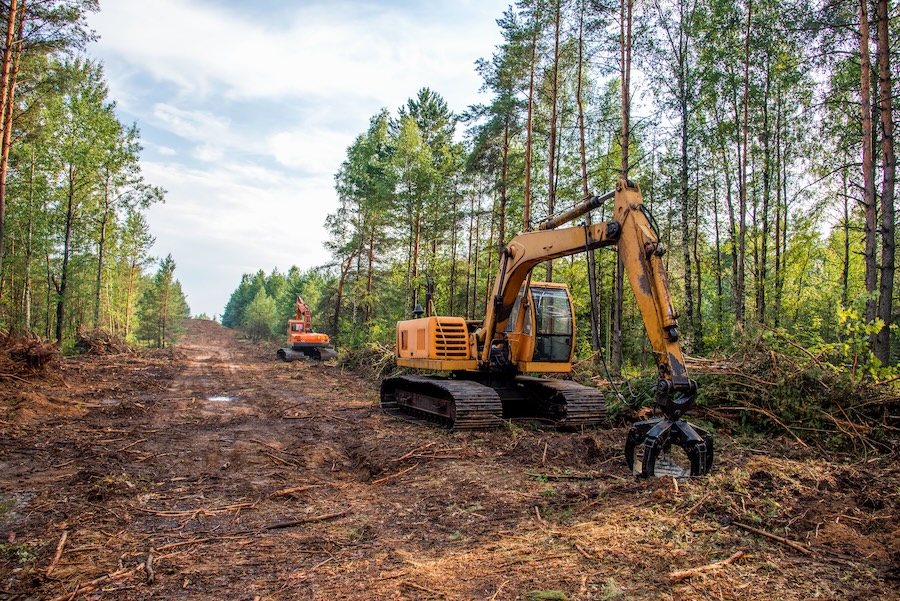
Land clearing is a critical first step in any construction, landscaping, or agricultural project. It involves the removal of trees, shrubs, rocks, debris, and other obstacles from a plot of land to prepare it for development. The importance of proper land clearing cannot be overstated, as it directly impacts the success of the project, the safety of workers, and the long-term stability of the site. While some property owners may attempt to manage land clearing independently, the process requires specialized equipment, technical expertise, and knowledge of environmental and safety regulations. Hiring professionals ensures that land clearing is performed efficiently, safely, and in a manner that meets all legal and ecological requirements. Proper land clearing not only makes a site suitable for construction but also enhances accessibility, drainage, and overall land usability, setting the foundation for all subsequent work.
Services Provided in Land Clearing
Land clearing is not simply about removing vegetation; it encompasses a comprehensive range of services designed to prepare land for a variety of projects. One of the primary services includes clearing trees, shrubs, and overgrown vegetation, which may involve selective removal or complete deforestation depending on the project’s requirements. Stumps and roots are also typically removed to ensure that the ground is level and suitable for construction, paving, or agricultural use. Rocks, boulders, and debris must be cleared to avoid interference with machinery or future structures, and grading the land is essential to create a level base for construction while also improving drainage.
In addition to physical clearing, many land clearing projects require soil preparation. This may involve the removal of topsoil, leveling uneven terrain, and creating pathways or access roads for construction vehicles. Some contractors also provide erosion control measures during the land clearing process to prevent soil loss and sediment runoff. Whether the project is for building foundations, farming, landscaping, or infrastructure development, professional land clearing ensures that the site is fully prepared to accommodate the planned work without delays or safety risks.
Benefits of Hiring a Professional Land Clearing Service
Engaging a professional land clearing service provides numerous advantages that significantly outweigh the risks of attempting the work independently. One of the key benefits is efficiency. Land clearing requires specialized equipment, such as bulldozers, excavators, stump grinders, and brush cutters, which allow large areas to be cleared quickly and accurately. Professionals have the expertise to operate this machinery safely and effectively, minimizing the time and labor required.
Safety is another major advantage of hiring professionals. Land clearing involves inherent risks, including falling trees, unstable terrain, hidden rocks or debris, and the operation of heavy machinery. Experienced contractors implement strict safety protocols, ensuring the protection of workers and minimizing potential damage to property. This reduces the likelihood of accidents and liability concerns, providing peace of mind to property owners.
Environmental compliance is also a critical consideration. Professionals understand local regulations regarding tree removal, soil conservation, and habitat protection, ensuring that the land clearing process adheres to legal requirements. Sustainable land clearing practices, such as minimizing unnecessary deforestation and protecting surrounding ecosystems, further enhance the long-term viability of the property while reducing environmental impact.
Factors to Consider When Choosing a Land Clearing Contractor
Selecting the right contractor for land clearing is essential to ensure a successful project. First, credentials and experience should be evaluated. A reputable contractor will be licensed, insured, and have a proven track record of handling projects similar in scope and complexity. Reviewing past projects and client testimonials provides insight into the contractor’s reliability, professionalism, and quality of work.
Equipment and technology are another critical consideration. A contractor with access to modern, well-maintained machinery can complete land clearing tasks efficiently while minimizing the risk of delays or accidents. Communication is also key; the contractor should provide clear timelines, detailed cost estimates, and regular updates throughout the project. Additionally, understanding the contractor’s approach to environmental sustainability is important, as responsible land clearing minimizes soil erosion, protects wildlife habitats, and preserves surrounding vegetation wherever possible. By carefully evaluating these factors, property owners can select a contractor capable of delivering safe, efficient, and high-quality land clearing services.
Common Challenges in Land Clearing Projects
Land clearing projects can present a range of challenges that require professional oversight. One of the most common obstacles is uneven terrain, which may include steep slopes, depressions, or rocky areas that complicate machinery operation and soil stability. Dense vegetation, including thick shrubs and intertwined tree roots, can also make clearing difficult and time-consuming if not managed properly. Hidden underground obstacles, such as old foundations, utility lines, or buried debris, further increase complexity and the risk of project delays or equipment damage.
Weather conditions can have a significant impact on land clearing. Heavy rainfall may create muddy, unstable conditions, while extreme heat or drought can pose safety hazards for workers and machinery. Professional land clearing contractors anticipate these challenges and adjust plans accordingly, using specialized equipment and techniques to maintain efficiency and safety regardless of environmental conditions. By proactively addressing obstacles and implementing effective solutions, contractors ensure that projects are completed on schedule and to the highest standards.
Sustainable Practices in Land Clearing
Sustainability is an increasingly important aspect of land clearing. Environmentally responsible contractors prioritize methods that minimize ecological disruption while ensuring the site is prepared for development. Erosion control measures, such as silt fences, terracing, and retaining natural vegetation buffers, prevent soil loss and sediment runoff. Tree and vegetation removal is done selectively when possible, preserving habitats and reducing the long-term environmental impact of the project.
Recycling and reusing materials, including timber, brush, and rocks, is another sustainable practice in professional land clearing. Some contractors process cleared timber into mulch, firewood, or compost, while rocks and debris can be repurposed for landscaping or construction purposes. By incorporating these sustainable methods, land clearing projects not only meet legal and environmental requirements but also create a safer, more resilient, and productive property for future use.
Conclusion
Land clearing is a vital component of any construction, agricultural, or landscaping project. It provides the foundation for safe, efficient, and high-quality development by removing obstacles, leveling the terrain, and preparing the site for future use. Hiring a professional land clearing service ensures that this process is performed with precision, safety, and environmental responsibility. By evaluating credentials, experience, equipment, and sustainability practices, property owners can select a contractor capable of delivering comprehensive land clearing services that meet both project requirements and regulatory standards.
The benefits of professional land clearing include increased efficiency, enhanced safety, compliance with environmental regulations, and the long-term viability of the property. From initial site assessment to vegetation removal, debris management, grading, and soil preparation, a skilled land clearing service handles all aspects of the process with expertise and precision. Whether for construction, agriculture, or landscaping, professional land clearing ensures that a property is fully prepared for development, providing a solid foundation for the success of the entire project.