
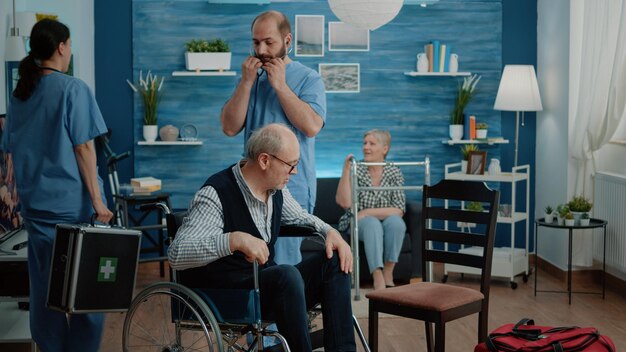
Rehabilitation and nursing home care differ in their goals. Rehab facilities provide short-term accommodation, so residents can easily access medical services during recovery from surgery or injury. Nursing homes are long-term care centers where on-site staff assist with everyday needs. Here are some more differences between rehab and nursing home care:
Purpose and Objectives
Rehabilitation services treat patients after surgery or injury, with the primary goal of helping them recover. Many patients receive physical and occupational therapy to rebuild strength and mobility. This enables them to regain independence and resume their daily activities. Rehabilitation is a short-term form of care, with its length varying depending on the severity of the illness or injury. Patients are discharged when they recover, and some continue with out-patient or at-home services.
A nursing home serves individuals who need help with everyday activities, from bathing to meal assistance. On-site staff aim to create a positive environment that improves residents’ quality of life, and medical specialists are often available for medication management. A nursing home may be suitable for patients with degenerative diseases or age-related infirmities. Even if patients become bedridden, continued care helps maintain physical and mental health.
Types of Therapies
Both rehab facilities and nursing homes provide patients with therapy to restore their physical and cognitive functioning. Physically inactive patients may have lost muscle tone, and exercise helps build muscle and regain strength. An apoplectic patient may require speech therapy, while a surgery patient needs mobility exercises. Medical therapy helps improve residents’ overall health and reduces the risk of complications such as falls or pressure sores. Therapy programs in a rehab facility might be more intense, so patients return home more quickly. In nursing homes, therapy is often focused more on supporting daily living needs.
Level of Medical Support
Rehabilitation centers provide extensive medical services to aid in faster recovery. Registered nurses and an attending physician monitor patients, so residents can complete analyses, measurements, and demanding therapy schedules. Patients have access to services like:
- On-site dialysis
- Tracheostomy care
- Occupational therapy
- Physical therapy
- Speech therapy
- Social work support
- Nutritional counseling
Nursing facilities focus primarily on helping residents with daily living. They offer certified nursing assistants to help people with eating, bathing, and dressing. Some have access to therapy, but this is typically at a lower intensity than rehabilitation facilities. For patients with conditions like Alzheimer’s or Parkinson’s, 24/7 nursing care is available to respond to rapidly changing needs.
Lifestyle and Activities
Residents in both rehab and nursing centers can engage in on-site activities that support their social, physical, and emotional well-being. Programs may be available daily, during the day, or in the evening, and special events reflect residents’ interests and needs. Some activities are designed for groups, while others allow one‑on‑one visits for residents who prefer individual interaction.
At these facilities, a comprehensive activity schedule might include arts and crafts, bingo, music and movie events, and trivia nights. Some facilities also schedule outings, whether to attend local events or visit shopping centers. Religious services are typically available, so residents can continue to engage with their faith.
These activities provide entertainment and support residents’ overall rehabilitation and quality of life. Structured programs can help maintain cognitive function, improve mobility, and reduce feelings of isolation. By offering a variety of choices, facilities make sure every resident can find activities that match their abilities and interests.
Find a Professional Nursing Home Today
Some nursing homes focus on skilled care, while others combine skilled and custodial care to meet all patient needs, regardless of medical condition. Before committing to a facility, inquire about the services it offers and determine whether they meet your loved one’s care requirements. Contact a nursing facility today to learn more about rehabilitation or extended-stay options.