
The trucking industry plays a critical role in maintaining the flow of goods and services across multiple sectors, from retail to manufacturing. While much attention is given to logistics, vehicle maintenance, and driver management, the importance of proper truck parking is often underestimated. Efficient truck parking strategies are essential for ensuring driver safety, protecting vehicles, maintaining regulatory compliance, and improving operational efficiency. This article delves into every aspect of truck parking, including its significance, types of parking options, key considerations, best practices, and benefits for both individual drivers and fleet managers.
Understanding the Importance of Truck Parking
Truck parking is far more than a place to leave a vehicle between trips. It directly affects driver safety, operational efficiency, and the overall longevity of the vehicle. One of the most critical aspects of truck parking is providing drivers with safe and accessible places to rest. Fatigue is a leading cause of accidents in the trucking industry, and regulated rest periods require accessible and secure parking areas. Lack of proper parking forces drivers to make unsafe stops on highways or in unauthorized areas, increasing the risk of accidents, theft, or vehicle damage.
From a maintenance perspective, proper truck parking protects the vehicle from environmental hazards. Trucks are large, complex machines with multiple mechanical and electronic systems. Extended exposure to sunlight, rain, snow, or extreme temperatures can accelerate wear and tear, cause rusting, and damage critical components. Using designated parking facilities helps mitigate these risks, allowing vehicles to remain in optimal condition and reducing long-term maintenance costs.
For fleet managers, truck parking is a crucial component of operational efficiency. Properly planned parking ensures that trucks can be accessed quickly, reducing downtime and facilitating faster loading, unloading, and route adjustments. Organized parking facilities also prevent congestion at depots and terminals, contributing to smoother logistics and better overall resource management.
Types of Truck Parking
There are several types of truck parking available, each offering unique advantages based on the driver’s needs, vehicle size, and operational requirements. Understanding these options can help drivers and fleet managers make informed decisions.
Open Lot Parking
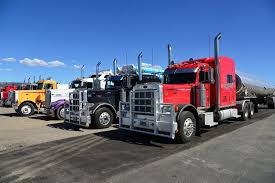
Open lot parking is the most common and cost-effective option for trucks. These areas provide large, unobstructed spaces that accommodate multiple trucks simultaneously. Open lots usually feature basic amenities such as lighting and fencing, but they may lack advanced security measures. While open lot parking is affordable and easily accessible, it exposes trucks to environmental factors such as rain, sun, and snow, which can accelerate wear and tear. Drivers often use protective covers and secure locking mechanisms to mitigate these risks.
Covered Parking
Covered parking adds a layer of protection by sheltering trucks from direct sunlight and precipitation. Structures such as carports or overhead canopies reduce exposure to environmental elements, preventing damage to vehicle paint, tires, and interior components. While covered parking is generally more expensive than open lots, it provides better protection and reduces maintenance costs over time, making it a cost-effective solution for long-term vehicle care.
Indoor Parking
Indoor parking offers the highest level of protection for trucks. Fully enclosed facilities safeguard vehicles from weather, theft, and vandalism. Climate-controlled indoor parking is particularly advantageous for trucks carrying sensitive equipment or materials, as it maintains stable temperature and humidity levels. The primary drawback is cost, as indoor parking is significantly more expensive than open or covered options. However, the added security and protection often justify the investment, especially for high-value trucks or specialized fleets.
Specialized Truck Parking Facilities
Specialized truck parking facilities cater to professional drivers and fleet operators who require additional services and conveniences. These facilities may include amenities such as fueling stations, maintenance services, showers, lounges, and 24/7 security personnel. Some locations also offer long-term storage options, vehicle inspections, and logistical support. For drivers who spend extended periods on the road or manage multiple vehicles, specialized parking facilities provide significant operational advantages and peace of mind.
Key Considerations for Selecting Truck Parking
Choosing the right truck parking solution requires careful evaluation of multiple factors to ensure safety, accessibility, and cost-effectiveness.
Security and Safety
Security is a top priority when selecting truck parking. Facilities should provide secure fencing, monitored access, surveillance cameras, and well-lit areas. Drivers should also consider the surrounding environment, including proximity to emergency services, traffic patterns, and the presence of other vehicles or pedestrians. Implementing additional security measures, such as wheel locks, alarms, and concealed storage of valuables, further enhances vehicle protection.
Accessibility and Convenience
Truck parking should be conveniently located along routes and near logistical hubs to reduce travel time and operational inefficiencies. The facility should accommodate trucks of various sizes, allowing easy maneuvering and entry/exit without congestion. Adequate turning space, wide lanes, and clearly marked parking spots contribute to safer and more efficient operations. Accessibility is also crucial for drivers who need to rest, refuel, or perform quick maintenance during their journey.
Amenities and Services
Modern truck parking facilities increasingly provide amenities designed to improve driver comfort and operational efficiency. Facilities with restrooms, showers, dining options, and lounges allow drivers to rest and refresh during long hauls. Maintenance services, tire checks, fuel stations, and vehicle inspections help minimize downtime and ensure trucks remain road-ready. These additional services not only enhance convenience but also promote safety and compliance with regulatory standards.
Cost Considerations
While affordability is an important factor, the value of a truck parking facility is determined by the combination of cost, security, convenience, and available services. Open lots are generally the most economical, whereas indoor or specialized facilities command higher fees. Investing in quality parking may reduce long-term maintenance expenses, prevent damage, and improve driver satisfaction, making it a wise operational choice.
Regulatory and Legal Aspects
Truck parking is subject to a variety of regulations that drivers must observe. Compliance with these rules ensures safety and avoids fines or penalties. Hours-of-service regulations, which limit the amount of time a driver can spend on the road without rest, make safe and accessible parking facilities essential. Unauthorized parking on highways, streets, or restricted zones can result in citations, towing, or other legal consequences.
Municipal and state regulations may also govern overnight parking, vehicle size restrictions, and noise levels at parking facilities. Drivers and fleet operators should stay informed about local ordinances and ensure that parking choices comply with legal requirements to maintain operational integrity.
Best Practices for Truck Parking
Implementing best practices for truck parking enhances safety, efficiency, and vehicle longevity.
Pre-Planning and Route Optimization
Planning parking stops in advance prevents last-minute decisions that could compromise safety or compliance. Route optimization software and parking apps can help drivers locate available facilities along their routes, ensuring convenient, legal stops. Pre-planning reduces stress, improves adherence to hours-of-service regulations, and minimizes delays caused by searching for parking on the road.
Vehicle Maintenance During Parking
Parking is an ideal opportunity to conduct routine maintenance. Drivers should inspect tires, brakes, fluid levels, and any visible signs of wear or damage. Regular maintenance performed during stops prevents minor issues from escalating into costly repairs and ensures the vehicle remains in optimal condition for the next leg of the journey.
Security Measures
Even when parked at secure facilities, additional precautions can enhance safety. Locking doors, setting alarms, using wheel locks, and concealing valuable items inside the cab reduce the risk of theft. Selecting well-lit spots within monitored areas also contributes to overall security.
Environmental Considerations
Truck parking should take environmental factors into account. Properly sheltered or indoor parking reduces exposure to sunlight, precipitation, and extreme temperatures, protecting both exterior and interior components of the vehicle. Seasonal adjustments, such as winterizing vehicles or providing cooling solutions during heat waves, help maintain operational readiness and driver comfort.
Benefits of Quality Truck Parking
Investing in reliable and secure truck parking offers numerous long-term benefits. Safety is enhanced, reducing accidents and theft risks. Vehicle maintenance is simplified, extending the lifespan of trucks and lowering repair costs. Efficient parking management improves logistics by enabling better route planning, minimizing downtime, and facilitating timely deliveries.
High-quality truck parking also contributes to driver well-being and satisfaction. Access to comfortable amenities, secure facilities, and convenient locations allows drivers to rest properly, improving alertness and reducing fatigue-related accidents. For fleet operators, integrating effective truck parking into management strategies enhances operational efficiency and overall profitability.
Conclusion
Proper truck parking is an essential aspect of safe and efficient trucking operations. It goes beyond merely providing a place to stop, influencing driver safety, vehicle protection, operational efficiency, and regulatory compliance. From open lots to indoor facilities with specialized services, understanding the types of truck parking available and implementing best practices ensures that trucks remain in optimal condition and drivers can perform their duties safely and efficiently.
Selecting appropriate truck parking requires consideration of security, accessibility, amenities, environmental conditions, and cost. By prioritizing these factors and incorporating routine maintenance and safety measures, drivers and fleet managers can minimize risks, reduce expenses, and improve operational outcomes.
Ultimately, investing in quality truck parking is an investment in both safety and efficiency. It safeguards drivers, protects vehicles, and supports the smooth operation of the trucking industry, ensuring that every journey is safer, more reliable, and more productive.