
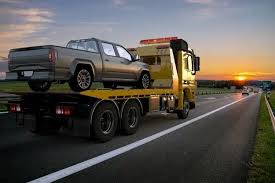
In today’s fast-paced world, vehicles are indispensable. From daily commutes to long-distance travel, cars, trucks, and other vehicles play a crucial role in our mobility. However, mechanical failures, accidents, or unexpected breakdowns can disrupt this mobility, leaving drivers stranded and stressed. This is where professional towing & recovery services come into play, offering not only transportation of disabled vehicles but also comprehensive assistance in emergency situations.
Understanding the scope and importance of towing and recovery services is essential for anyone who drives or manages a fleet. These services are more than just moving a vehicle from point A to point B they involve safety, technical expertise, and strategic problem-solving.
What is Towing & Recovery?
Towing & recovery refers to the process of transporting vehicles that are immobile due to accidents, mechanical breakdowns, or other emergencies. While towing is generally associated with moving a vehicle from one location to another, recovery involves more specialized techniques, particularly when a vehicle is stuck in challenging situations such as ditches, mud, or water. Recovery often requires skilled personnel equipped with specialized tools like winches, cranes, and flatbed trucks.
The combination of towing and recovery services ensures that vehicles are not only moved safely but also restored to a condition that allows for further repair or inspection. Professionals in this field are trained to handle a variety of vehicles, including cars, trucks, motorcycles, and even heavy machinery.
Types of Towing & Recovery Services
Towing and recovery is a broad industry encompassing several specialized services. Understanding these can help individuals and businesses choose the right solution for their needs.
- Flatbed Towing
Flatbed towing involves transporting a vehicle on a flat platform truck. This method is widely regarded as the safest form of towing because it reduces the risk of additional damage to the vehicle’s tires, transmission, or suspension. Flatbed trucks are ideal for transporting luxury cars, motorcycles, and vehicles that cannot be driven. - Wheel-Lift Towing
Wheel-lift towing uses a hydraulic lift to raise either the front or rear wheels of a vehicle off the ground. This method is faster and more cost-effective than flatbed towing, making it popular for short-distance towing or roadside assistance. However, it is less ideal for long-distance transport, especially for vehicles with complex drivetrain systems. - Hook and Chain Towing
Although less common today, hook and chain towing involves attaching chains to the vehicle’s frame and lifting it partially off the ground. This method is generally reserved for older vehicles or those with significant damage that cannot be handled with wheel-lift or flatbed methods. - Motorcycle Towing
Motorcycles require specialized equipment such as smaller flatbeds, wheel chocks, and secure tie-down straps to prevent tipping during transport. Professional towing services offer motorcycle-specific towing and recovery to ensure safe handling. - Heavy-Duty Towing
For large vehicles like buses, trucks, or construction equipment, heavy-duty towing and recovery are necessary. These services involve larger tow trucks, cranes, and additional manpower to handle the increased weight and size of the vehicle. - Emergency Roadside Assistance
Many towing and recovery companies also offer roadside assistance, including jump-starts, fuel delivery, tire changes, and lockout services. This ensures drivers can resume their journey quickly without the need for full towing services.
The Importance of Professional Towing & Recovery
While it might be tempting to attempt vehicle recovery on your own, professional towing & recovery services are essential for several reasons:
- Safety
Vehicles involved in accidents or stuck in difficult terrain can be dangerous to move without proper training. Professionals are trained to assess risks and execute recovery safely, minimizing the chances of injury to drivers, passengers, or bystanders. - Preventing Vehicle Damage
Incorrect towing methods can cause significant damage to a vehicle’s engine, transmission, or body. Professional services use the right equipment and techniques to ensure vehicles are transported without further harm. - Efficiency
A professional team can handle complex towing and recovery situations quickly, allowing drivers to resume their journey without unnecessary delays. Time efficiency is particularly important in emergencies where stranded vehicles pose a hazard to other road users. - Expertise in Challenging Situations
Whether a vehicle is submerged in water, stuck in mud, or overturned after an accident, trained recovery teams have the experience and tools to handle difficult recoveries safely. - Insurance and Liability Coverage
Many towing & recovery companies provide insurance coverage during the towing process. This ensures that any accidental damage during transport is covered, protecting both the vehicle owner and the towing company.
Key Equipment Used in Towing & Recovery
Professional towing & recovery services rely on specialized equipment to perform their tasks efficiently and safely. Some of the essential tools and vehicles include:
- Tow Trucks: Different types include flatbed, wheel-lift, and integrated tow trucks, each suited for specific towing needs.
- Winches: Used to pull vehicles out of difficult spots such as ditches, snowbanks, or mud.
- Chains and Straps: Ensure vehicles are securely fastened during transport.
- Cranes and Boom Trucks: Required for heavy-duty recovery or overturned vehicles.
- Lighting and Safety Gear: High-visibility equipment and traffic management tools protect both workers and other drivers during roadside operations.
Choosing the Right Towing & Recovery Service
Selecting the right towing and recovery provider can make a significant difference in terms of safety, efficiency, and cost. Consider the following factors when choosing a service:
- Experience and Expertise
Look for companies with a proven track record in handling different types of vehicles and recovery situations. Experienced teams are better equipped to manage unexpected challenges. - Availability
Roadside emergencies can happen at any time. Opt for a service that offers 24/7 availability to ensure support is available whenever it is needed. - Response Time
Fast response times are crucial, especially in accidents or severe breakdown situations. Reliable companies prioritize quick dispatch and on-site arrival. - Equipment Quality
Ensure the company uses modern, well-maintained towing and recovery equipment. Advanced machinery improves safety and reduces the risk of additional vehicle damage. - Pricing Transparency
Transparent pricing without hidden fees helps avoid unpleasant surprises. Some companies provide estimates upfront based on distance, vehicle type, and recovery complexity.
Safety Tips During Vehicle Breakdown
While professional towing & recovery services are essential, drivers can take proactive steps to minimize risk during a breakdown or accident:
- Move to a Safe Location: If possible, move the vehicle to the roadside or a safe area away from traffic.
- Use Hazard Lights: Alert other drivers to prevent secondary accidents.
- Stay Inside the Vehicle: Especially on highways or in unsafe areas, it is safer to remain inside the vehicle until help arrives.
- Avoid DIY Recovery: Attempting to tow or recover a vehicle without proper equipment or experience can lead to injury or vehicle damage.
Innovations in Towing & Recovery
The towing and recovery industry is evolving with new technologies and practices to improve efficiency and safety:
- GPS Tracking and Dispatch Systems: Modern towing services use GPS-enabled dispatch systems to reduce response times and optimize routes.
- Electric Vehicle Recovery: As EVs become more common, specialized knowledge and equipment are required to safely tow and handle high-voltage systems.
- Mobile Apps: Customers can now request towing & recovery services through mobile applications, track arrival times, and access real-time updates.
- Eco-Friendly Practices: Companies are increasingly adopting hybrid or electric tow trucks to reduce environmental impact.
Conclusion
Professional towing & recovery services are a vital component of modern transportation infrastructure. They ensure safety, minimize vehicle damage, and provide timely solutions during emergencies. Whether it’s a simple breakdown or a complex recovery operation, having access to reliable towing and recovery services offers peace of mind for drivers and fleet managers alike.
By understanding the types of services available, the equipment used, and the importance of professional expertise, vehicle owners can make informed decisions when emergencies arise. Investing in a reputable towing & recovery service is not just about convenience, it’s about protecting your vehicle, your safety, and your peace of mind on the road.
The next time you encounter an unexpected breakdown, remember that professional towing and recovery is more than a service; it’s a lifeline that keeps you moving safely and efficiently.