
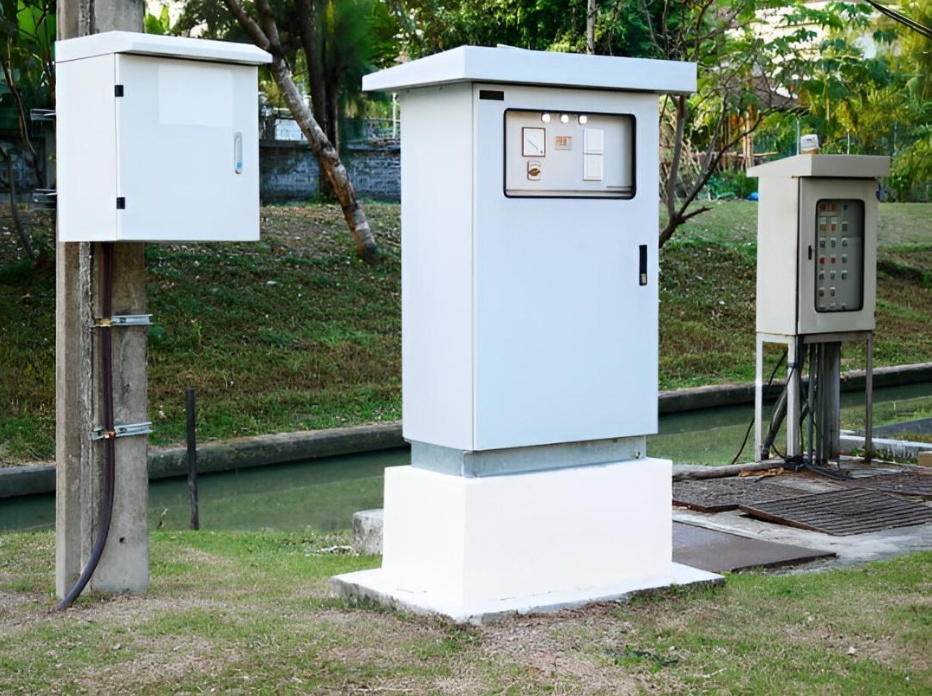
Sustainability is no longer limited to energy generation or recycling initiatives. In modern infrastructure planning, sustainability also means designing systems that last longer, require fewer resources over time, and reduce waste caused by premature failure or frequent replacement. Outdoor and wall-mounted enclosures play an important yet often overlooked role in this process.
Rather than being disposable components, enclosures are long-term assets that influence how efficiently systems operate, how often maintenance is required, and how frequently equipment must be replaced. This article explores how thoughtful enclosure selection contributes to sustainable infrastructure through durability, efficiency, and responsible resource use.
Sustainability Beyond Energy Efficiency
When sustainability is discussed, energy consumption is usually the first topic that comes to mind. While energy efficiency is critical, sustainable infrastructure also depends on durability and lifecycle performance.
Every time an enclosure fails prematurely, it creates:
- Material waste
- Additional manufacturing demand
- Transportation emissions
- Labor and replacement costs
By contrast, long-lasting enclosures reduce the need for repeated production and disposal, supporting sustainability goals at a structural level.
The Link Between Durability and Environmental Impact
Durability is one of the most effective sustainability strategies. Enclosures that maintain their performance over many years reduce resource consumption across their lifecycle.
Durable outdoor and wall-mounted enclosures contribute to sustainability by:
- Minimizing corrosion and material degradation
- Preserving internal components and wiring
- Reducing the frequency of replacements
- Lowering the environmental footprint of maintenance activities
A single durable enclosure can replace multiple low-quality alternatives over time, resulting in measurable environmental benefits.
Material Choices and Sustainable Performance
Material selection directly affects enclosure lifespan and environmental impact. Different materials offer different sustainability advantages depending on application and environment.
Common sustainability-related considerations include:
- Resistance to corrosion and weathering
- Structural strength over long service periods
- Compatibility with recycling processes
- Reduced need for protective coatings or frequent repairs
Selecting materials that perform reliably in their intended environment supports long-term sustainability rather than short-term cost savings.
Outdoor Enclosures and Environmental Exposure
Outdoor enclosures face the most demanding conditions. Sunlight, moisture, dust, and temperature changes can quickly degrade poorly designed products.
Sustainable outdoor enclosures are designed to:
- Maintain structural integrity under UV exposure
- Prevent moisture ingress that leads to corrosion
- Protect internal equipment from dust and pollutants
- Reduce performance loss caused by environmental stress
When outdoor enclosures fail, the environmental cost extends beyond the enclosure itself to the damaged equipment inside.
Wall-Mounted Enclosures and Space Efficiency
Wall-mounted enclosures contribute to sustainability through efficient use of space. By keeping equipment off the floor and organized, they reduce the need for larger equipment rooms or additional infrastructure.
In practical terms, wall-mounted designs:
- Optimize existing building space
- Reduce the need for structural expansion
- Improve airflow and equipment organization
- Support cleaner, safer work environments
These benefits indirectly reduce material usage and construction-related emissions.
Maintenance Reduction as a Sustainability Strategy
Maintenance activities consume resources. Travel, replacement parts, cleaning materials, and labor all contribute to environmental impact.
High-quality enclosures reduce maintenance demands by:
- Preserving seal integrity over repeated access
- Maintaining stable internal conditions
- Protecting components from contamination
Fewer maintenance visits mean lower energy use, fewer spare parts, and reduced operational disruption.
Lifecycle Thinking and Total Environmental Cost
Sustainable infrastructure decisions require lifecycle thinking rather than upfront cost comparisons. An enclosure that costs less initially but fails sooner often carries a higher environmental cost over time.
Lifecycle-focused enclosure selection considers:
- Manufacturing impact
- Installation resources
- Maintenance frequency
- Replacement and disposal needs
Solutions like Outdoor & Wall-Mounted Enclosures are designed with lifecycle performance in mind, supporting sustainability through longevity rather than disposability.
Reducing Waste Through Modular and Adaptable Design
Systems rarely remain unchanged throughout their lifespan. Monitoring devices, controls, and power requirements evolve over time.
Adaptable enclosures support sustainability by:
- Allowing upgrades without full replacement
- Supporting modular internal layouts
- Accommodating future cable routing needs
This adaptability reduces waste and extends the useful life of existing infrastructure.
Sustainability in Industrial and Commercial Environments
Different sectors experience sustainability benefits in different ways:
Industrial Facilities
Durable enclosures reduce production interruptions and prevent equipment loss caused by harsh environments.
Utilities and Infrastructure
Long-lasting enclosure solutions reduce service disruptions and replacement cycles across large networks.
Commercial Buildings
Efficient wall-mounted enclosures support organized layouts and reduce the need for frequent modifications.
Across all environments, enclosure durability supports responsible resource management.
The Role of Manufacturing Quality in Sustainability
Sustainability does not begin at installation—it begins at manufacturing. Precision fabrication, consistent quality control, and durable finishes all contribute to enclosure longevity.
Enclosures that are poorly manufactured may require early replacement, increasing waste and environmental impact. By contrast, high manufacturing standards support predictable performance over many years.
Many professionals choose Eabel because its enclosure solutions are designed to deliver durability, consistency, and long-term performance in real-world environments.
Climate Resilience and Long-Term Infrastructure Planning
As climate conditions become more unpredictable, infrastructure must be designed to withstand greater environmental stress. Enclosures that fail under changing conditions undermine sustainability efforts.
Climate-resilient enclosures:
- Tolerate wider temperature ranges
- Resist increased moisture and storm exposure
- Maintain protection levels despite environmental variability
Planning for resilience today helps avoid emergency replacements tomorrow.
Sustainability Through Operational Stability
Operational stability is a key sustainability factor. Frequent failures, downtime, and emergency repairs consume far more resources than stable, predictable operation.
Durable enclosure systems support stability by:
- Protecting sensitive equipment
- Reducing unexpected maintenance
- Supporting consistent system performance
Stable systems are inherently more sustainable than those requiring constant intervention.
Measuring Sustainability Outcomes Over Time
The true sustainability value of an enclosure becomes clear over years of use. Indicators of success include:
- Minimal corrosion or degradation
- Stable internal conditions
- Reduced maintenance frequency
- Extended equipment lifespan
These outcomes reflect design choices that prioritize durability and efficiency.
Why Sustainability Should Influence Enclosure Decisions
Sustainability is no longer optional. Organizations are increasingly evaluated on their environmental responsibility, and infrastructure choices play a visible role in these assessments.
Selecting enclosure solutions that emphasize longevity, adaptability, and reduced maintenance supports broader sustainability goals without compromising performance or safety.
Solutions such as Outdoor & Wall-Mounted Enclosures align sustainability with operational reliability, offering long-term value for both systems and the environment.
Conclusion
Outdoor and wall-mounted enclosures contribute to sustainability in ways that extend far beyond their physical appearance. Through durable construction, reduced maintenance needs, adaptable design, and lifecycle efficiency, they help organizations build infrastructure that lasts longer and wastes less.
By viewing enclosures as long-term assets rather than short-term purchases, decision-makers can support environmental responsibility while improving operational stability. Sustainable enclosure choices today help create resilient, efficient systems for the future.