
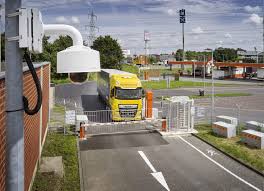
In the transportation and logistics industry, truck parking is a critical yet often overlooked aspect of fleet management. The efficiency, safety, and overall operational success of a fleet depend not only on vehicle maintenance and driver performance but also on the availability and management of safe parking spaces. Trucks spend a significant amount of time on the road, and finding suitable locations for rest, loading, unloading, and regulatory compliance can be challenging. Without proper parking solutions, fleets face increased risks of accidents, violations, cargo theft, driver fatigue, and operational inefficiencies, all of which can impact profitability and reliability. As the industry continues to grow and regulations surrounding driver hours and road safety become more stringent, truck parking has emerged as an essential element of strategic fleet operations.
Proper truck parking solutions go beyond simply finding a place to stop. They involve careful planning, understanding regulatory requirements, ensuring driver safety, and optimizing operational workflows. Professional fleet managers recognize that strategic parking plays a pivotal role in minimizing downtime, reducing fuel consumption, and enhancing driver satisfaction. For long-haul operators and delivery companies alike, well-organized truck parking facilities provide a secure, accessible, and compliant environment that supports smooth operations across both regional and national routes. By incorporating truck parking into overall fleet management strategies, companies can maintain operational continuity while also safeguarding their assets and personnel.
The Challenges of Finding Adequate Truck Parking
The demand for truck parking has increased dramatically in recent years due to growth in freight transportation, tighter delivery schedules, and stricter regulations regarding driving hours. One of the major challenges faced by drivers and fleet managers is the limited availability of secure and accessible parking spaces, particularly in high-traffic areas, near distribution centers, and along major highways. Shortages can lead to unauthorized parking, congested rest areas, and unsafe roadside stops, which increase the risk of accidents, theft, and vehicle damage.
Another challenge is the need to comply with hours-of-service regulations that mandate rest periods for drivers. Failure to find compliant parking can result in violations, fines, and operational delays, adding complexity to route planning and scheduling. Additionally, not all parking areas are designed to accommodate large trucks, creating issues such as inadequate turning space, insufficient lighting, or a lack of essential amenities like fuel stations, showers, or restrooms. Addressing these challenges requires a strategic approach to truck parking, leveraging technology, partnerships, and planning to ensure that drivers can rest safely while operations remain efficient and compliant.
The Role of Technology in Truck Parking Solutions
Technology has transformed the way fleet operators manage truck parking. Mobile applications, GPS systems, and online platforms now allow drivers and managers to locate available parking spaces in real-time, reserve spots ahead of time, and avoid congestion. These innovations not only save time but also reduce driver stress and fatigue, enhancing overall safety and operational efficiency. With real-time information, fleets can plan routes that incorporate reliable parking options, ensuring compliance with regulations and preventing unplanned stops.
Advanced fleet management software integrates truck parking data with scheduling, routing, and maintenance systems, enabling managers to optimize operations holistically. Predictive analytics can forecast high-demand areas, allowing fleets to adjust routes or make reservations in advance. Some platforms also provide information about amenities, security levels, and proximity to key destinations, allowing drivers to make informed decisions about where to stop. By leveraging technology, truck parking becomes an integral part of operational planning rather than a reactive necessity, supporting both efficiency and driver satisfaction.
Safety Considerations in Truck Parking
Safety is one of the most critical aspects of truck parking. Drivers are vulnerable to accidents, theft, and other security risks when parking in unregulated or unsafe areas. Designated parking facilities provide security measures such as surveillance cameras, lighting, fencing, and on-site personnel, helping to protect both the driver and the cargo. Properly designed parking lots also include safe entry and exit routes, clear markings, and adequate space for maneuvering large vehicles, reducing the risk of accidents or damage.
In addition to physical safety, truck parking also plays a role in driver well-being. Drivers require rest to comply with hours-of-service regulations and prevent fatigue-related accidents. Secure and comfortable parking areas enable drivers to take necessary breaks without worrying about safety or accessibility, which is essential for maintaining compliance and overall operational reliability. By prioritizing safety in parking strategies, fleets can reduce liability risks, protect their assets, and ensure the health and performance of their drivers.
Operational Efficiency and Cost Savings Through Strategic Parking
Effective truck parking solutions contribute significantly to operational efficiency. Time spent searching for parking not only increases fuel consumption but also causes delays in delivery schedules. By integrating parking into route planning, fleets can reduce unnecessary mileage, improve delivery accuracy, and optimize fuel usage. Additionally, reserved parking spaces near warehouses, distribution centers, and key customer locations minimize the need for last-minute route adjustments, enabling more predictable and streamlined operations.
Cost savings are another advantage of strategic truck parking. Proper planning reduces the risk of fines for hours-of-service violations, avoids costly vehicle damage due to unsafe stops, and enhances driver productivity by minimizing downtime. When drivers can reliably find parking, fleet operators can better manage schedules, allocate resources efficiently, and maximize the utilization of each truck. This holistic approach to truck parking translates into both operational efficiency and financial benefits, reinforcing its importance as a critical component of fleet management.
Regulatory Compliance and Truck Parking
Compliance with federal and state regulations is a central concern for fleet operators. Regulations related to driver hours, rest periods, and vehicle safety standards mandate that drivers take scheduled breaks at appropriate intervals. Truck parking solutions ensure that drivers can comply with these regulations without disruption to operations. By providing accessible, safe, and adequately equipped parking areas, fleets can reduce the risk of regulatory violations, fines, and operational delays.
Furthermore, designated truck parking facilities are often equipped to accommodate inspections, weigh stations, and other regulatory requirements, enabling drivers to meet legal obligations while minimizing interruptions to their schedules. Integrating truck parking into compliance strategies ensures that drivers and fleet operators maintain regulatory adherence, which is critical for legal, financial, and operational stability.
Sustainability and Environmental Considerations
Sustainable truck parking practices are increasingly important in modern fleet operations. Facilities that incorporate green infrastructure, energy-efficient lighting, and environmentally friendly paving materials contribute to reduced environmental impact. Fleet operators can also optimize parking locations to minimize empty miles, which reduces fuel consumption and greenhouse gas emissions. By strategically planning parking stops and leveraging technology to identify the most efficient routes and rest areas, fleets can align operational goals with sustainability objectives, enhancing both performance and environmental responsibility.
Sustainable parking solutions can also include electric vehicle charging stations, which support the integration of hybrid or fully electric trucks into fleets. As the industry moves toward cleaner transportation technologies, incorporating sustainable truck parking becomes a critical element of future-ready fleet operations.
Conclusion
Truck parking in Hialeah is an essential component of modern fleet management, encompassing safety, compliance, operational efficiency, and driver well-being. By integrating parking into route planning, leveraging technology for real-time availability, and ensuring secure and well-equipped facilities, fleet operators can optimize performance, reduce costs, and maintain regulatory compliance. Strategic truck parking supports driver safety, enhances productivity, and protects both vehicles and cargo from damage or theft. In an industry where every hour on the road counts, effective truck parking solutions are more than a convenienc they are a necessity for ensuring smooth, efficient, and sustainable operations. As fleets continue to grow and industry demands evolve, investing in professional, secure, and accessible truck parking will remain a key factor in long-term operational success, driver satisfaction, and overall fleet reliability.