
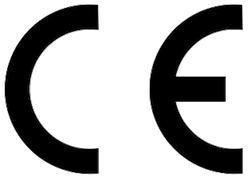
Expanding into international markets presents both opportunity and complexity for manufacturers of electrical products. One of the most critical steps toward successful global distribution is ensuring that products meet established safety and compliance requirements. In the European Union (EU), this is achieved through CE certification—a mandatory conformity mark that signals adherence to stringent health, safety, and environmental standards. For companies based in Australia or exporting from the region, understanding and navigating the CE certification process is essential for market access, credibility, and legal compliance.
For many businesses, especially first-time exporters, the regulatory environment in the EU can be difficult to interpret. Ensuring that an electrical product meets the necessary technical and procedural benchmarks often requires a detailed understanding of product classifications, harmonised standards, and labelling requirements. Partnering with an experienced compliance service provider is often the most efficient way to manage this complexity. One effective way to understand CE certification in Australia for export readiness is to access expert guidance tailored to both regional and international regulations.
CE certification involves more than simply affixing a label to your product. It begins with identifying the directives that apply to your product, such as the Low Voltage Directive (LVD), Electromagnetic Compatibility (EMC) Directive, or the Restriction of Hazardous Substances (RoHS) Directive. After determining which directives are relevant, the next step is to review the corresponding harmonised standards, which serve as technical guidance for meeting essential requirements. Conformity with these standards is usually demonstrated through product testing, risk assessments, and technical documentation.
Upon successful evaluation, companies must compile and retain a technical file that includes drawings, test reports, design documents, and the Declaration of Conformity. This declaration, signed by the manufacturer or an authorised representative, confirms that the product meets all applicable EU requirements. Only after these steps can the CE mark be legally affixed to the product. It’s important to note that this mark signifies a manufacturer’s accountability—not just a third-party certification—which reinforces the need for accuracy and thorough documentation.
Beyond legal compliance, CE certification offers significant commercial advantages. Entering the EU market with certified products improves a company’s competitive standing, builds trust with distributors and consumers, and reduces the likelihood of trade barriers due to regulatory concerns. Furthermore, a CE-marked product can often enter additional markets through mutual recognition agreements or simplified processes based on shared safety criteria.
For businesses looking to enter multiple global markets, a strategic approach often starts by aligning with the most widely recognised standards—namely those enforced in the EU. By pursuing CE certification early, companies can proactively address potential compliance hurdles and streamline the broader international market entry process. In some cases, the documentation and testing developed for CE compliance can overlap with requirements in other regions, including the United Kingdom, parts of Asia, and even North America, with certain modifications.
Adopting a compliance-first mindset also supports internal efficiency and innovation. Developing products with regulatory expectations in mind from the outset allows engineers and designers to incorporate safer components, improve energy efficiency, and minimise risks during production and distribution. Regulatory compliance, therefore, becomes a value driver rather than a reactive obligation.
However, the CE certification journey can introduce several points of friction—from understanding technical specifications and conformity pathways to engaging with accredited testing laboratories. These challenges are compounded for small- to medium-sized enterprises (SMEs), which may lack in-house regulatory expertise or the resources to manage complex documentation. In such cases, leveraging external compliance support ensures a smoother, faster, and more reliable path to certification and international sales readiness.
In conclusion, CE certification is a cornerstone for companies aiming to market electrical products within the European Union. It provides assurance to regulators and end-users alike while opening the door to extensive commercial opportunities. For Australian exporters, a solid understanding of the CE certification process, along with expert assistance, can accelerate market entry and prevent costly compliance errors. As global demand for safe and standards-compliant electronics continues to grow, aligning products with the CE mark is an investment in both short-term success and long-term market sustainability.