
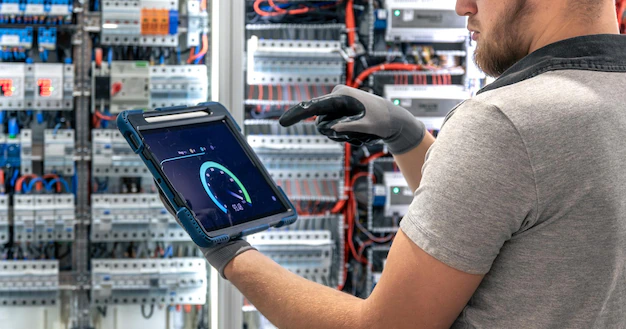
Electricity powers nearly every aspect of modern life, influencing how we work, communicate, relax, and maintain our homes. Today’s electrical systems extend far beyond basic wiring and repairs, evolving into complex networks that demand precision, knowledge, and a forward-thinking approach. Whether someone is updating an older property, designing a system for new construction, or simply learning how to keep their living space safe, understanding modern electrical systems has become essential. The field is filled with advanced technologies, strengthened safety standards, and innovative solutions that continue to evolve every year. Because of this complexity, electrical work is often best handled by a professional electrician who understands both traditional methods and modern advancements, ensuring safe and reliable results.
Modern electrical systems operate quietly behind walls, beneath floors, and inside carefully designed panels that regulate the flow of energy throughout a building. Their hidden nature means that many issues remain unnoticed until they become severe, making it crucial for homeowners and business owners to understand how these systems work. The risks of ignoring electrical safety—including power surges, equipment failure, electrical fires, and shock hazards—are significant. By learning the fundamentals of electrical systems and recognizing early warning signs, individuals can prevent dangerous situations and protect their property.
Understanding the Foundations of Electrical Systems
Every electrical system begins with a power source that feeds into a network of wiring and control components. Circuits are designed to carry specific loads, ensuring the system doesn’t overheat or malfunction. Circuit breakers and fuses act as safety features, instantly cutting power when overloads occur. Without these protective devices, even minor mistakes or malfunctions could lead to serious hazards. Grounding is another essential part of modern electrical systems, providing a safe path for excess electricity to reduce shock risks and minimize damage from surges or lightning strikes. Proper grounding enhances system reliability and must be installed with precision to function correctly.
Central to the electrical system is the electrical panel, commonly known as the breaker box. This panel distributes power to various circuits and serves as the main control hub for the entire structure. An updated, well-organized panel improves safety, simplifies troubleshooting, and supports future upgrades such as solar energy integration or electric vehicle charging. Conversely, outdated panels can cause frequent breaker trips, overheating, or even fire risks. Ensuring that the panel is properly rated and installed by a qualified electrician helps protect both property and occupants.
The Growing Importance of Electrical Safety
Electrical safety remains one of the most critical elements of building maintenance. Even small errors such as loose connections, overloaded outlets, and deteriorating wiring can escalate into major hazards. This is why many homeowners rely on professional electrical services instead of attempting risky do-it-yourself repairs. A certified electrician has the expertise to recognize warning signs, follow electrical codes, and carry out repairs that meet safety standards.
Older buildings often contain wiring materials and components that no longer comply with modern codes, such as outdated knob-and-tube wiring, aluminum wiring, or panels that are prone to failure. Upgrading these systems improves not only safety but also the performance and capacity of the entire electrical network. Environmental conditions also influence electrical safety; moisture, dust, extreme heat, and outdoor exposure can damage electrical components over time. Ensuring that outlets in damp areas have ground fault protection and that outdoor connections are weatherproof significantly reduces the risk of malfunctions.
Modern Innovations Transforming Electrical Work
The electrical industry continues to embrace new technologies that promote energy efficiency, modern convenience, and enhanced safety. LED lighting has become a standard due to its long lifespan, lower heat output, and significant energy savings. Advanced wiring materials and techniques also help reduce electricity loss and improve performance. Smart home systems are another major innovation, allowing homeowners to control lighting, climate systems, security features, and appliances through mobile devices or voice-activated hubs. These systems require precise installation, proper wiring integration, and connectivity knowledge that a skilled electrician can provide.
Renewable energy solutions, especially solar power, have also become increasingly common. Integrating solar panels into an electrical system requires specialized wiring configurations, proper inverter installation, and careful planning to match household electrical demands. Many homeowners also pair solar systems with battery storage to maintain power during outages. Electric vehicle chargers are another rapidly growing advancement. Installing these chargers requires dedicated circuits, correct amperage, and compliance with modern electrical codes, making professional installation essential for safety and long-term reliability.
Common Electrical Problems and Their Solutions
Even with advanced technologies, electrical problems are still common in both residential and commercial settings. Flickering lights, frequently tripped breakers, buzzing sounds, burning odors, warm switches, or outlets that stop working are all signs that require immediate attention. These symptoms often indicate deeper issues such as faulty wiring, loose connections, overloaded circuits, or deteriorated insulation. Aging wiring is a frequent cause of problems. Over time, insulation can crack or decay, increasing the risk of shorts or electrical fires. Upgrading aging wiring not only increases safety but also improves overall electrical efficiency.
One major cause of electrical issues today is poor DIY electrical work. While installing a light fixture or replacing an outlet may seem simple, improper wiring can create hidden hazards that only reveal themselves after months or even years. Incorrect wire connections, mismatched components, and overloaded circuits are among the most common mistakes. A qualified electrician can identify these issues and correct them before they escalate. Another common problem is the overuse of extension cords and power strips. These devices should not be used as permanent solutions; instead, additional outlets or circuits should be installed to safely support electrical needs.
Energy Efficiency and Sustainable Electrical Practices
Energy efficiency has become a major priority for both environmental and economic reasons. Upgrading lighting to LED fixtures significantly reduces electricity consumption and maintenance needs. Smart thermostats allow better control over heating and cooling systems, learning homeowner habits to minimize energy waste. Modern appliances are designed with improved efficiency, meaning they consume less power while delivering better performance. To maximize these benefits, it is essential that the home’s wiring system is capable of supporting efficient technologies without overloading circuits.
Renewable energy solutions like solar power further enhance sustainability. With the combined use of solar panels and home battery systems, homeowners can store excess power, lower utility bills, and reduce dependence on the grid. A qualified electrician ensures that renewable systems are safely integrated with the home’s existing wiring and electrical panel, providing optimal performance and long-term reliability.
Why Professional Expertise Matters
Electrical work requires precision, technical knowledge, and strict adherence to safety standards. Attempting to handle complex electrical tasks without expertise exposes homeowners to significant risks. Hiring a qualified electrician ensures that all work is performed properly, safely, and in compliance with building codes. Professionals can diagnose potential issues early, recommend necessary upgrades, and install modern systems that improve performance and efficiency. They also help homeowners plan for future needs by designing flexible systems that can accommodate new technologies.
Professional electrical work adds long-term value to a property. Documentation of upgrades and code-compliant installations increases a home’s safety profile and marketability. Whether a homeowner is renovating, upgrading, or preparing a house for sale, professionally completed electrical work is a valuable investment.
Planning for the Future of Electrical Systems
Electrical systems must continue to evolve as technology becomes more sophisticated and energy demands increase. Homes of the future will rely even more heavily on automation, interconnected devices, renewable energy, electric vehicles, and advanced climate control systems. Preparing for these advancements requires updated wiring, modern panels, and smart system integration. Investing in high-quality electrical installations today ensures that a building remains adaptable and efficient for many years to come.
Conclusion
Electrical systems are the backbone of modern living, supporting safety, comfort, convenience, and efficiency in every building. Understanding how these systems work and recognizing the importance of maintaining and upgrading them helps homeowners create safer and more energy-efficient environments. With the rise of smart technologies, renewable energy solutions, and increased electrical demands, the need for reliable expertise continues to grow. Whether addressing safety concerns, enhancing energy efficiency, or preparing for future innovations, modern electrical systems require the knowledge and precision that only a trained electrician can provide. Investing in professional electrical care today ensures a safer, more efficient, and future-ready property for years to come.