
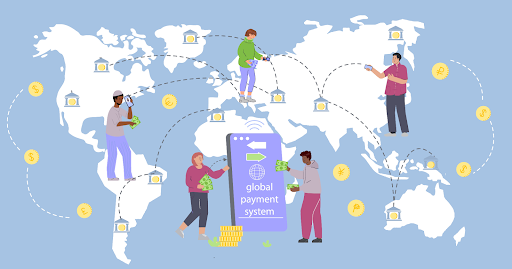
Choosing an international money transfer service is important for individuals who frequently send money overseas. They send money for family support, make international payments, and handle their international expenses. Because these transfers happen often, even small differences in fees, exchange rates, and speed can make a big impact over time. You can reduce expenses while preventing stress by thoroughly evaluating your options.
This article will explore how to evaluate different options to choose the best.
Understanding Transfer Fees and Exchange Rates
Some services charge a fixed amount per transfer, while others take a percentage of the total amount sent. The costs of sending money regularly increase due to these charges.
International money transfers depend on exchange rates to determine their value. A provider may advertise low transfer fees but offer a less favorable exchange rate. This reduces the amount your recipient actually receives.
The impact of exchange rate fluctuations becomes more dangerous because small changes can lead to substantial monetary losses. The fee and the rate need to be reviewed before you confirm your transaction.
Comparing Popular Transfer Services
Many frequent senders compare Remitly vs Western Union to decide which platform suits them best. The two services are common international payment solutions preferred by users in various countries. Their different pricing models, combined with their delivery speeds and payout methods, create distinct service differences.
Western Union has built a strong global reputation over many years. The company operates numerous physical locations, which enable customers to collect cash from various international destinations. This service provides a solution for recipients who want to receive cash without needing a bank account or who prefer to pick up their funds.
Your choice of service provider requires you to decide which element, between speed and cost, and accessibility, matters most to your needs.
Speed Evaluation and Delivery Methods Assessment
Frequent senders use speed as a critical factor when assessing their needs. The instant transfer option becomes available for some services when customers use their debit or credit cards to fund them. The bank transfer option requires users to wait several business days before receiving their funds.
The method of receiving money needs to be considered. The available options allow users to choose between bank deposit, mobile wallet transfer, and cash pickup. The recipient requires immediate access to funds, so you should choose a speedier delivery option, even if it costs more.
Evaluation Of Security And Reliability Aspects
The need for security increases when you send money multiple times throughout the day. You need a provider that protects your financial information and ensures that funds arrive safely. Trustworthy companies implement encryption together with fraud detection systems to safeguard their financial transactions.
Reliability is the ability of systems to deliver their expected outcomes consistently. Customers experience frustration when they encounter multiple delays and unanticipated fees. You can select a trustworthy service provider by reading customer reviews and examining service ratings.
Long-Term Assessment Of Value
The frequent sender needs to evaluate their needs through a long-term perspective. You should evaluate your total annual transfer expenses rather than focusing on the cost of a single transaction. Some services offer loyalty programs that include repeat-user discounts and special exchange rates for regular transfers. The benefits you receive will help to decrease your total expenses. You can choose the most budget-friendly option by monitoring your transfers and analyzing your spending habits.