
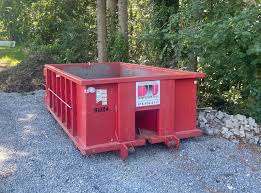
Dumpster rental has become an essential service for residential, commercial, and industrial waste management needs. Whether handling a home renovation, construction project, large cleanout, or commercial operation, having a reliable dumpster rental solution ensures that waste is managed efficiently, safely, and in compliance with regulations. Proper waste disposal not only improves organization and productivity but also contributes to environmental responsibility and workplace safety. Understanding how dumpster rental works, the benefits it offers, and how to choose the right option can help individuals and businesses complete projects smoothly and without unnecessary complications.
Managing waste effectively is a critical aspect of any project. Without an appropriate disposal solution, debris can accumulate quickly, creating hazards, delays, and potential violations of local regulations. Dumpster rental provides a centralized and controlled method for collecting and removing waste, allowing project managers and homeowners to focus on their primary tasks instead of worrying about debris removal logistics.
The Importance of Dumpster Rental
Dumpster rental plays a vital role in maintaining clean and organized work environments. Construction sites, renovation projects, and large cleanouts generate significant amounts of waste that cannot be handled through regular trash collection services. Renting a dumpster provides a dedicated container designed to handle large volumes of debris, preventing clutter and reducing the risk of accidents.
For homeowners, dumpster rental simplifies major projects such as remodeling, landscaping, or estate cleanouts. Instead of making multiple trips to disposal facilities, waste can be placed directly into a single container that is later hauled away. This convenience saves time, reduces transportation costs, and minimizes physical strain.
For businesses and contractors, dumpster rental ensures compliance with waste disposal regulations and helps maintain professional work sites. Proper waste containment reduces environmental impact, improves safety, and demonstrates responsible project management. Having an on-site dumpster allows for continuous workflow without interruptions caused by waste buildup.
Types of Dumpster Rentals
Dumpster rental services offer a variety of options to accommodate different project sizes and waste types. Roll-off dumpsters are among the most common choices, particularly for construction, renovation, and demolition projects. These large, open-top containers are delivered to the site and removed once filled, making them ideal for heavy or bulky debris.
Front-load dumpsters are commonly used for ongoing commercial waste needs. These containers are typically smaller than roll-off dumpsters and are serviced on a scheduled basis, making them suitable for businesses, restaurants, and apartment complexes that generate regular waste.
Temporary dumpster rentals are designed for short-term projects such as home cleanouts, roofing jobs, or landscaping work. Permanent dumpster rentals, on the other hand, are ideal for businesses that require consistent waste management solutions. Selecting the appropriate type depends on the duration, scale, and nature of the project.
Choosing the Right Dumpster Size
Selecting the correct dumpster size is one of the most important aspects of a successful rental experience. Dumpsters come in various sizes, typically measured in cubic yards, ranging from small containers for minor cleanouts to large units for extensive construction projects. Choosing a size that matches the project’s waste volume prevents overloading, additional fees, or the need for multiple rentals.
Smaller dumpsters are suitable for household cleanouts, garage decluttering, or small remodeling projects. Medium-sized dumpsters are often used for roofing projects, flooring removal, or moderate renovations. Larger dumpsters are ideal for construction sites, major demolition, or commercial operations that generate substantial debris.
Accurate estimation of waste volume helps optimize costs and ensures efficient disposal. Consulting with a dumpster rental provider can help determine the appropriate size based on project details and material types.
Materials Accepted in Dumpster Rentals
Understanding what materials can be placed in a rented dumpster is essential to avoid violations or additional charges. Most dumpster rentals accept general construction debris, household junk, yard waste, wood, drywall, and non-hazardous materials. These items can be safely disposed of through standard waste processing methods.
Certain materials, however, are restricted due to environmental and safety concerns. Hazardous waste such as chemicals, paint, batteries, tires, and electronics often require specialized disposal methods and cannot be placed in standard dumpsters. Appliances containing refrigerants and other regulated substances may also be prohibited.
Following guidelines for acceptable materials ensures compliance with regulations and prevents damage to equipment or the environment. Responsible waste sorting and disposal contribute to safer and more efficient waste management practices.
Benefits of Dumpster Rental
Dumpster rental offers numerous benefits that extend beyond convenience. One of the most significant advantages is improved efficiency. Having a designated container on-site allows waste to be disposed of immediately, reducing downtime and maintaining a clean workspace. This efficiency is especially important for construction and renovation projects with tight schedules.
Cost-effectiveness is another key benefit. Renting a dumpster eliminates the need for multiple trips to disposal facilities, saving fuel, time, and labor costs. Flat-rate pricing structures often include delivery, pickup, and disposal, making budgeting more predictable.
Safety is also enhanced through proper waste containment. Loose debris can create tripping hazards, obstruct pathways, or attract pests. A dumpster keeps waste centralized and contained, reducing the risk of accidents and promoting a safer environment for workers and residents.
Environmental Responsibility
Dumpster rental supports environmentally responsible waste management by promoting proper disposal and recycling practices. Many rental providers sort collected waste to recover recyclable materials such as metal, wood, and concrete. This reduces landfill usage and conserves natural resources.
For projects focused on sustainability, dumpster rental can be paired with recycling services to separate materials and minimize environmental impact. Responsible waste management aligns with modern environmental standards and demonstrates a commitment to sustainability.
The Dumpster Rental Process
The dumpster rental process typically begins with selecting the appropriate size and type based on project requirements. Once chosen, the dumpster is delivered to the designated location and placed for easy access while minimizing disruption. Proper placement is important to ensure safe loading and compliance with local regulations.
During the rental period, waste is loaded into the dumpster according to guidelines. Care should be taken to distribute weight evenly and avoid overfilling. Once the project is complete or the dumpster is full, the rental provider retrieves the container and transports it to a disposal or recycling facility.
Clear communication with the rental provider regarding timelines, materials, and placement ensures a smooth and efficient process from start to finish.
Common Challenges and How to Avoid Them
One common challenge in dumpster rental is underestimating the amount of waste generated. Choosing a dumpster that is too small can lead to overflow, additional fees, or delays. Accurate planning and consultation help avoid this issue.
Another challenge involves placing prohibited materials in the dumpster. Understanding disposal guidelines and sorting waste appropriately prevent compliance issues and additional charges. Proper planning and communication with the rental provider ensure that waste is handled responsibly.
Weather conditions and site access can also impact dumpster placement and usage. Ensuring a stable surface and clear access for delivery and pickup minimizes disruptions and protects property from damage.
Residential vs. Commercial Dumpster Rental
Residential dumpster rental typically focuses on temporary projects such as cleanouts, remodeling, or landscaping. These rentals prioritize convenience, ease of use, and short-term flexibility. Homeowners benefit from having a centralized waste solution that simplifies cleanup and organization.
Commercial dumpster rental, on the other hand, is often designed for ongoing waste management needs. Businesses require consistent service schedules, larger capacities, and compliance with regulations. Commercial rentals support efficient operations and maintain clean, professional environments.
Understanding the differences between residential and commercial dumpster rental helps clients select services that align with their specific needs.
Conclusion
Dumpster rental is a practical, efficient, and responsible solution for managing waste across a wide range of projects. From residential cleanouts to large-scale construction and commercial operations, having the right dumpster rental ensures safe, organized, and compliant waste disposal. The convenience, cost-effectiveness, and environmental benefits make dumpster rental an essential service for modern waste management needs.
By selecting the appropriate dumpster size, understanding acceptable materials, and working with a reliable provider, individuals and businesses can complete projects smoothly while maintaining clean and safe environments. Dumpster rental is more than a disposal solution; it is a strategic component of efficient project management that supports productivity, safety, and environmental responsibility.