
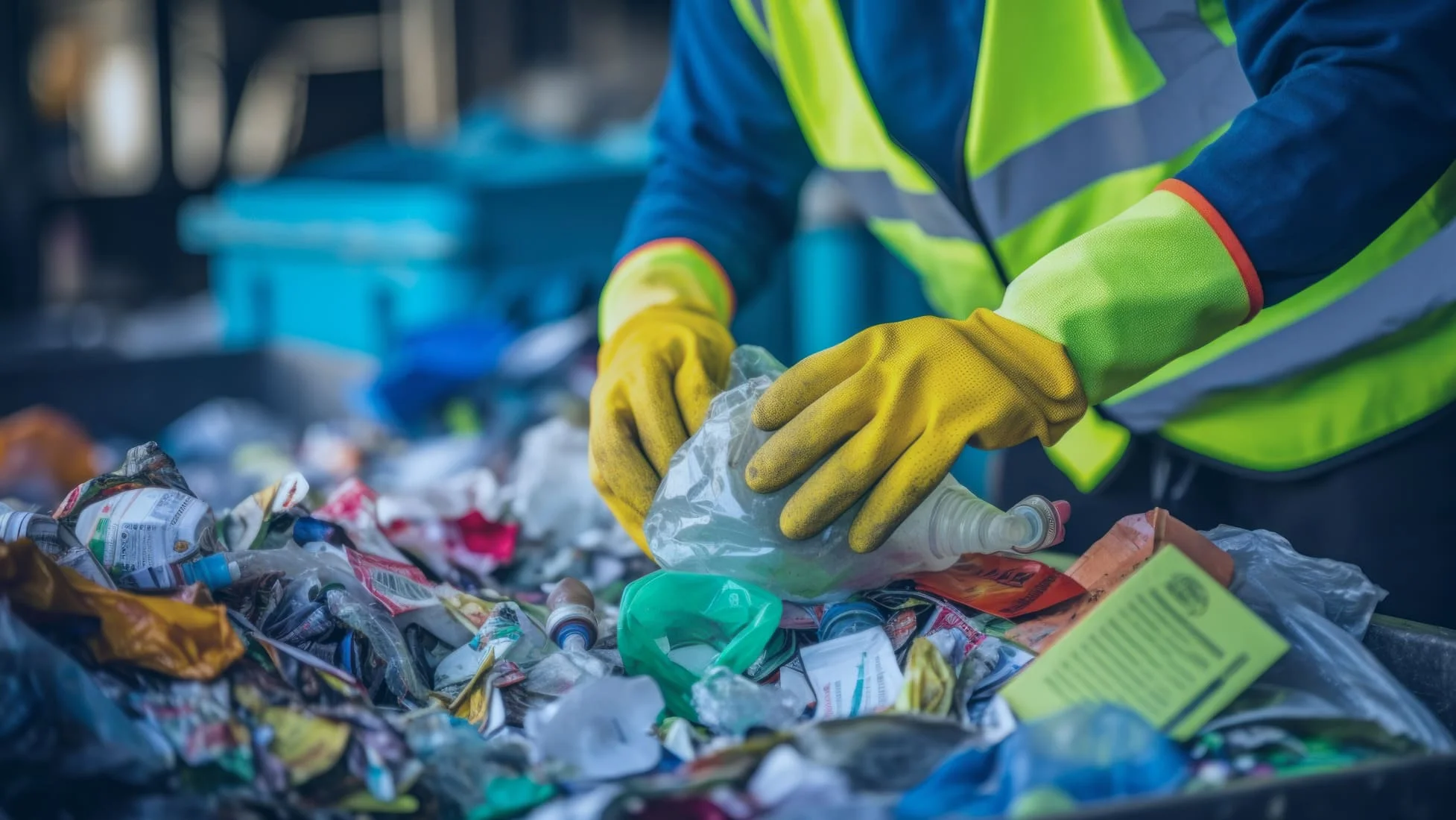
Effective waste management has become a critical priority for households, businesses, construction professionals, and anyone involved in large-scale cleanup projects. Modern society generates more waste than ever, and the need for structured, efficient, and sustainable disposal systems continues to grow. As industries evolve and disposal regulations become more sophisticated, the methods used to control debris must evolve as well. In this in-depth guide Comprehensive Insights into Modern Waste Strategies for Cleaner, Safer, and More Efficient Project Management we explore the systems, tools, and principles that make responsible waste handling both achievable and practical for people from all backgrounds.
Understanding waste begins with recognizing that it is no longer just an inconvenient by-product of daily life. It is an environmental, operational, and social concern that affects communities globally. With consumer lifestyles shifting toward higher consumption, businesses expanding production, and construction activities increasing, waste output naturally rises. As a result, individuals and organizations must adopt improved strategies to keep their environments safe, productive, and compliant with regulations. This is why Comprehensive Insights into Modern Waste Strategies for Cleaner, Safer, and More Efficient Project Management serves as a valuable reference for anyone seeking long-lasting solutions.
Waste management involves a series of coordinated actions rather than a single activity. These steps include identifying waste types, sorting materials, selecting disposal methods, planning transport, and ensuring proper long-term processing. Every step matters, and each contributes to environmental preservation, workspace organization, and operational efficiency. The need for robust, scalable tools is more important than ever, and the rise of streamlined services reflects the increasing demand for user-friendly waste solutions. Among the various options available, dumpster rentals have proven to be one of the most helpful and adaptable tools for handling large volumes of debris. They exemplify how simple, well-designed systems can support cleaner and more manageable environments across various industries.
The Importance of Structured Waste Management for Long-Term Efficiency
Structured waste solutions are essential for maintaining safety, productivity, and environmental well-being. When waste is not handled properly, it accumulates quickly, creating cluttered spaces that pose hazards. Debris can block work areas, increase the risk of injury, attract pests, and even lead to expensive property damage. By implementing a defined waste system, individuals and businesses maintain better control over their surroundings. Organized environments not only look better but also function better, allowing daily tasks to flow smoothly.
Well-structured systems help minimize contamination, promote recycling habits, and streamline workflows. Many businesses rely on efficient waste routines to comply with industry and environmental regulations, preventing costly penalties or delays. On a residential level, organized waste handling encourages cleaner outdoor spaces, safer home projects, and more reliable cleaning routines. By recognizing the broader significance of proper disposal practices, both individuals and organizations strengthen their long-term environmental impact.
Tools and Services That Support Effective Waste Handling
A successful waste management plan requires the right tools. From small household bins to industrial equipment, every tool serves a purpose. Recycling stations help separate materials, compactors reduce bulk waste, and sorting systems ensure items are processed efficiently. For medium and large projects, dumpster rentals offer unmatched convenience by providing ample space and an easy point of disposal. This service helps eliminate unnecessary trips to disposal sites and ensures debris remains contained throughout the duration of a project.
Modern innovations such as waste-tracking software, load-level sensors, and automated sorting lines have transformed the industry. These technologies help businesses reduce waste output, save money, and increase recycling rates. By integrating digital tools with physical equipment, companies optimize every aspect of the waste cycle.
Additionally, sustainable materials and reusable packaging have gained popularity, allowing consumers to reduce waste creation before it even reaches disposal. Combining smart tools, eco-friendly materials, and structured systems supports a more advanced and environmentally responsible waste strategy.
Understanding the Waste Lifecycle
Every piece of waste follows a lifecycle that includes creation, collection, transportation, processing, and final disposal or reuse. Understanding this lifecycle helps individuals and businesses reduce unnecessary waste, identify recyclable materials, and minimize environmental harm. The cycle begins when an item is no longer needed. Proper sorting at this initial stage determines whether the item will be recycled, composted, reused, or discarded.
Next comes collection, which varies depending on the tools and systems in place. Reliable collection schedules ensure waste does not accumulate to dangerous or unmanageable levels. Transportation plays a major role in ensuring debris is moved safely and efficiently, particularly when large volumes are involved. This stage requires appropriate vehicles and handling procedures to prevent spills or environmental damage.
The processing stage determines how materials are treated. Recycling facilities break down reusable materials, composting operations manage biodegradable waste, and specialized centers process hazardous items. Landfill disposal occurs only after all recovery options have been exhausted. By understanding each step, individuals and organizations become more conscious of their disposal habits and can make informed decisions that benefit the environment.
Benefits of Implementing Comprehensive Waste Strategies
Comprehensive waste strategies offer numerous advantages that extend far beyond simple cleanliness. When individuals and businesses commit to structured disposal systems, they experience improved safety, reduced clutter, and greater overall efficiency. Clean, organized spaces promote better concentration, improve morale, and support higher levels of productivity. They also help prevent injuries caused by tripping hazards, sharp debris, or unstable piles of waste.
Environmental benefits are equally significant. Increased recycling and reduced landfill usage contribute to a healthier ecosystem. Natural resources are preserved, pollution decreases, and communities benefit from cleaner air and water. On a financial level, businesses often save money by reducing waste volume, optimizing collection schedules, and avoiding fines associated with improper handling. Cleaner environments also enhance aesthetics, making properties more appealing to residents, visitors, clients, or customers.
Why Versatility and Scalability Matter in Waste Disposal
No two waste projects are the same. Some require ongoing disposal solutions, while others need short-term support during renovations, cleanouts, or large-scale developments. This variability highlights the necessity of scalable systems. Services such as dumpster rentals in Garner demonstrate how flexible waste solutions can meet the needs of different situations. Whether someone is clearing out a cluttered property, managing a multi-week construction job, or overseeing routine commercial waste, scalable tools ensure the appropriate disposal capacity is always available.
Scalability prevents overflow, reduces environmental impact, and maintains clean workspaces. It also supports efficiency by allowing workers to focus on their tasks without worrying about inadequate waste containment. Flexible systems reduce stress, eliminate unnecessary waste transport trips, and promote sustainable practices across all types of projects.
The Role of Education in Responsible Waste Practices
Education is vital for improving long-term waste management. When people understand how to sort, dispose, and reduce waste, they naturally make more responsible choices. Instructional programs in schools, community centers, and workplaces help improve recycling rates, decrease contamination, and encourage the adoption of eco-friendly materials. Knowledge empowers individuals to identify hazardous items, adopt safer disposal habits, and support large-scale sustainability efforts.
Education also fosters innovation. As people become more aware of waste challenges, they support newer, cleaner, and more efficient disposal technologies. This ongoing desire for improvement fuels the continuous evolution of waste management systems.
Innovations Driving the Future of Waste Management
Waste management is undergoing rapid transformation. New technologies, sustainability goals, and digital tools are reshaping the way waste is collected, processed, and reused. Smart sensors, automated sorting systems, and waste-to-energy facilities demonstrate the industry’s commitment to efficiency and environmental responsibility. These innovations reduce the volume of materials sent to landfills and help communities transition toward a circular economy.
Advanced recycling methods can process more materials than ever before, turning waste into valuable new products. Smart waste systems help streamline collection routes, reducing fuel consumption and carbon emissions. Biodegradable packaging continues to reduce long-term environmental impact. All of these advancements reinforce the principles outlined in Comprehensive Insights into Modern Waste Strategies for Cleaner, Safer, and More Efficient Project Management and support a cleaner future for generations to come.
Bringing Practical Waste Strategies Into Everyday Life
Integrating practical waste strategies into daily routines is simpler than many realize. Staying organized, sorting properly, and using reliable tools transforms waste management from a stressful task into a manageable routine. When handling large projects, experienced individuals often rely on structured systems that streamline disposal and maintain clean working environments. This is why tools that simplify debris handling are highly valued in residential, commercial, and industrial settings.
The guidance offered in Comprehensive Insights into Modern Waste Strategies for Cleaner, Safer, and More Efficient Project Management highlights how effective planning creates smoother workflows. Whether managing a long-term operation or a quick cleanup effort, choosing the right approach prevents complications and helps maintain environmental responsibility. Clean, well-organized spaces promote better outcomes, reduce delays, and support sustainable habits.
Conclusion
Waste management is more than a routine task; it is a long-term responsibility that affects communities, industries, and the environment. The approach outlined in Comprehensive Insights into Modern Waste Strategies for Cleaner, Safer, and More Efficient Project Management encourages responsible habits, scalable tools, and environmentally conscious solutions. By using effective methods, embracing education, adopting innovative tools, and staying informed, individuals and organizations strengthen their commitment to a cleaner and more efficient future.