
Introduction
Maintaining a pest-free environment is essential for health, safety, and overall comfort. Pests such as rodents, insects, and other unwanted creatures not only create discomfort but also pose serious health risks. They can contaminate food, spread diseases, and damage property. Achieving a pest-free home or workspace requires proactive strategies, regular maintenance, and informed decision-making. By understanding common pests, their habits, and the most effective control methods, individuals can create safer, cleaner, and more enjoyable living and working spaces.
A pest-free environment provides peace of mind, reduces stress, and protects family members, employees, and property from potential hazards. Whether addressing a current infestation or implementing preventive measures, strategic action is essential. Pest Control services or DIY methods play a critical role in this process.
Identifying Common Pests and Their Risks
Understanding which pests are likely to invade a space is the first step in effective pest management. Common pests include:
- Rodents: Rats and mice can contaminate food, gnaw on wiring, and transmit diseases such as hantavirus and salmonella.
- Insects: Cockroaches, ants, mosquitoes, and flies carry bacteria and allergens that can affect health. Some insects, like termites, also cause structural damage.
- Bed Bugs: These small, nocturnal pests bite humans and can disrupt sleep and comfort.
- Spiders: While most are harmless, some species carry venomous bites that pose risks.
- Wildlife Intruders: Raccoons, squirrels, and other animals may enter attics or basements, causing damage and leaving droppings that harbor disease.
Each pest presents unique challenges, and knowing their behaviors and preferred habitats allows for targeted preventive measures and control strategies.
Prevention Strategies for a Pest-Free Environment
Preventing infestations is often more effective and cost-efficient than dealing with established pest problems. Key preventive measures include:
1. Maintain Cleanliness
Regular cleaning eliminates food sources and breeding grounds for pests. Kitchen surfaces, floors, and trash areas should be kept clean, and spills or crumbs should be promptly removed.
2. Proper Food Storage
Store food in sealed containers and avoid leaving perishable items exposed. Pet food should also be secured to prevent attracting pests.
3. Seal Entry Points
Inspect doors, windows, vents, and foundation cracks for gaps that pests can exploit. Use weather stripping, caulking, or mesh screens to block potential entry points.
4. Manage Moisture
Excess moisture attracts pests such as cockroaches and mosquitoes. Fix leaks, ensure proper drainage, and ventilate damp areas like basements and bathrooms.
5. Regular Landscaping Maintenance
Trim trees and shrubs away from buildings, remove standing water, and keep lawns well-maintained to reduce habitats for pests.
Effective Pest Control Methods
When prevention is not enough, effective Pest Control strategies are necessary to eliminate infestations safely. These include:
1. Chemical Treatments
Insecticides, rodenticides, and other chemical treatments can be used to target specific pests. Safe usage, proper application, and adherence to guidelines are crucial to protect humans, pets, and the environment.
2. Traps and Baits
Mechanical traps, glue boards, and bait stations offer targeted pest control without widespread chemical exposure. They are useful for rodents, insects, and certain crawling pests.
3. Professional Pest Management
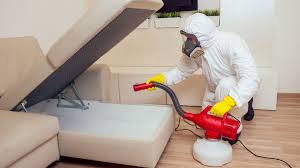
Licensed pest control professionals provide comprehensive inspection, identification, and treatment solutions. Their expertise ensures that infestations are eradicated effectively and safely, while also offering long-term prevention plans.
4. Integrated Pest Management (IPM)
IPM combines preventive measures, monitoring, and control techniques to reduce pest populations sustainably. It emphasizes minimal chemical use, habitat modification, and continuous monitoring for long-term results.
Health and Safety Considerations
Pest infestations can pose serious health risks, including allergic reactions, asthma triggers, and the spread of diseases. Children, elderly individuals, and those with weakened immune systems are especially vulnerable. Safety measures during Pest Control include:
- Wearing protective equipment when handling chemicals or traps.
- Keeping children and pets away from treated areas.
- Following product guidelines and safety instructions carefully.
- Consulting professionals for severe or widespread infestations.
Benefits of Maintaining a Pest-Free Environment
A pest-free space offers numerous advantages:
- Health Protection: Reduces exposure to allergens, bacteria, and pathogens carried by pests.
- Property Preservation: Prevents damage to structures, furniture, wiring, and landscaping.
- Enhanced Comfort: Living or working in a clean environment increases peace of mind and reduces stress.
- Cost Savings: Preventive measures and early treatment reduce long-term repair and replacement expenses.
- Improved Reputation: For businesses, a pest-free facility demonstrates professionalism and compliance with health standards.
Conclusion:
Creating and maintaining a pest-free environment requires vigilance, knowledge, and proactive action. By implementing preventive measures, monitoring for potential issues, and seeking professional Pest Control support when necessary, homeowners and business owners can protect their spaces from harmful pests. The result is a safer, healthier, and more comfortable environment that allows occupants to focus on living, working, and enjoying their surroundings without worry.
Investing time and resources into effective pest control is not just about eliminating nuisances—it is a commitment to safety, health, and long-term peace of mind.