
Understanding the Essential Role of Mobility Devices in Modern Living
Mobility challenges affect millions of individuals worldwide, and as people live longer lives, the importance of proper support systems within the home and community continues to increase. The wheelchair has become one of the most transformative devices for enhancing independence, allowing individuals with temporary injuries, chronic conditions, or permanent disabilities to reclaim ease of movement and participate actively in daily life. Unlike many other support tools, a wheelchair is not simply a temporary aid but often an integral part of a person’s identity and lifestyle. Whether used for navigating a home, workplace, outdoor environment, or public facility, the right wheelchair ensures comfort, stability, and freedom. Families and caregivers also benefit from knowing that mobility is supported safely and efficiently, reducing physical strain and emotional stress. As more emphasis is placed on inclusive design and barrier-free living, understanding wheelchairs, their different types, and the support systems that enhance their functionality becomes essential to creating an accessible and empowering environment.
Why Choosing the Right Wheelchair Matters for Long-Term Comfort and Functionality
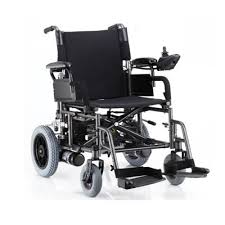
Selecting the appropriate wheelchair requires thoughtful consideration of the user’s physical strength, posture, daily activities, and long-term needs. A poorly fitted or unsuitable wheelchair can lead to discomfort, poor posture, limited mobility, and even health complications such as pressure sores or muscle strain. Conversely, a well-selected wheelchair enhances independence, enabling the user to move freely without excessive effort. Manual wheelchairs are ideal for individuals who maintain upper body strength and prefer a lightweight, easy-to-navigate model. These chairs often come in foldable designs, making them practical for travel, storage, and everyday use. Power wheelchairs suit individuals with limited physical strength or conditions that restrict arm and shoulder movement. They use programmable controls, stable suspension, and powerful motors to ensure smooth navigation across different surfaces. Specialized wheelchairs, such as tilt-in-space models, bariatric wheelchairs, and sports wheelchairs, cater to specific mobility needs and lifestyle preferences. By understanding these differences, families and caregivers can ensure they choose a chair that supports long-term health, comfort, and mobility.
Design Features That Enhance User Experience and Mobility
Modern wheelchair designs incorporate thoughtful features that increase comfort and usability. Adjustable seat height, customizable cushions, ergonomic armrests, and reclining backrests help maintain proper posture and reduce fatigue. Footrests can be adjusted to ensure leg support without pressure on the knees or lower back. Lightweight frames improve maneuverability, while wider wheels offer better traction on outdoor surfaces. In power wheelchairs, programmable speed controls, joystick sensitivity adjustments, and enhanced suspension systems provide smooth travel even over uneven ground. Storage options, such as side pouches and under-seat compartments, offer convenience for those who carry medications, personal items, or daily essentials. All these features combine to create a wheelchair that not only supports mobility but also prioritizes comfort and long-term health. When paired with supportive tools like accessibility Ramps, the functionality of the wheelchair increases substantially, enabling smooth navigation through entrances, thresholds, and elevated surfaces without unnecessary strain.
The Importance of Proper Home Adjustments to Support Wheelchair Users
Creating a wheelchair-friendly home involves more than selecting the right chair. It requires thoughtful adjustments to ensure the user can move about freely, safely, and without barriers. Doorways should be wide enough to accommodate the width of the wheelchair, and flooring should be smooth, even, and free of clutter. Lowering countertops, adjusting sink heights, and rearranging furniture can make essential living spaces more accessible. Bathrooms often require the most modifications, as they typically include narrow entrances, sharp corners, and slippery surfaces. Installing grab bars, walk-in showers, roll-under sinks, and non-slip flooring forms a safer and more comfortable environment. Accessible bedrooms benefit from adjustable beds, open pathways, and reachable storage spaces. When mobility devices and home layouts work together, the user experiences greater comfort, independence, and emotional well-being. Pairing these modifications with tools such as accessibility Ramps ensures smooth transitions between rooms, levels, and outdoor areas, helping the user maintain freedom of movement throughout the entire property.
Public Accessibility and the Role of Inclusive Infrastructure
Beyond the home, the broader community plays a significant role in supporting individuals who rely on a wheelchair. Public buildings, transportation systems, schools, shopping centers, and recreational facilities must comply with accessibility standards to ensure all individuals can participate in society without barriers. Sidewalks should have curb cuts that allow wheelchairs to move smoothly from street to walkway. Public transit should include low-floor buses, deployable ramps, or lifts that simplify boarding. Entryways should feature doors wide enough for wheelchair access and equipped with automatic openers when possible. Clear pathways, braille signage, wide aisles, and accessible restroom facilities all contribute to a user-friendly environment. Community parks and outdoor recreation areas should include firm, stable pathways, adaptive equipment, and inclusive design features that encourage everyone to participate. When the public environment is welcoming and easy to navigate, wheelchair users feel more confident, independent, and engaged in the world around them. The integration of features such as accessibility Ramps strengthens the commitment to inclusive design, ensuring accessibility is not an afterthought but an essential element of social infrastructure.
Safety Considerations and Best Practices for Wheelchair Users
Safety is essential for all mobility support devices, and wheelchair users should be aware of certain best practices that protect their health and prevent accidents. Proper seating posture helps distribute weight evenly, reducing the risk of pressure sores. Regular seat cushion adjustments maintain comfort and relieve pressure on sensitive areas. Users should avoid leaning too far forward or sideways to prevent tipping. When traveling outdoors, understanding terrain conditions helps prevent accidents caused by uneven or slippery surfaces. Manual wheelchair users should learn proper braking techniques, propulsion methods, and safe approaches for slopes. Power wheelchair users must stay mindful of battery levels, weather conditions, and the terrain’s impact on traction and control. Awareness of environmental hazards such as narrow pathways, steep inclines, or unstable ground helps prevent falls and collisions. Regular maintenance checks ensure that wheels, brakes, and moving parts remain in optimal condition. A safe experience with a wheelchair relies not only on the device itself but also on the user’s knowledge of best practices and the environment they navigate.
Maintaining the Wheelchair for Durability and Peak Performance
Ongoing care ensures that a wheelchair remains dependable for daily use. Regular cleaning prevents dust and debris from accumulating in moving parts. Lubricating wheel bearings, inspecting tires, tightening bolts, and examining frame integrity help the wheelchair function smoothly over time. Cushions should be checked for wear and replaced when necessary to maintain proper support. Power wheelchair users must monitor battery health, charging habits, and electrical connections to ensure consistent performance. Scheduling annual professional evaluations ensures that any hidden issues are addressed early. Over time, parts may need replacement due to natural wear, exposure to outdoor elements, or heavy use. By staying proactive with maintenance, wheelchair users avoid unexpected breakdowns and preserve mobility without disruption. A well-maintained wheelchair contributes directly to comfort, independence, and peace of mind.
Emotional and Psychological Benefits of Independent Mobility
The value of a wheelchair extends far beyond physical support. Independence directly influences emotional well-being, and the ability to navigate freely enhances confidence, reduces stress, and encourages active participation in meaningful activities. Many individuals experience frustration when mobility limitations interfere with daily routines or restrict social engagement. A reliable wheelchair helps restore feelings of autonomy and dignity, reducing reliance on others and supporting a more balanced lifestyle. Physical independence often correlates with improved mental health, resilience, and overall life satisfaction. Families also benefit emotionally, knowing their loved one has a safe and effective mobility solution that reduces the risk of injury and increases the user’s confidence. The right mobility device empowers individuals to reclaim their routines, pursue hobbies, and remain connected to their communities.
Conclusion: Enhancing Quality of Life Through Thoughtful Wheelchair Solutions
Accessibility Ramps support smooth transitions and improve mobility when paired with the right wheelchair, forming an essential foundation for independent living. Understanding mobility needs, choosing the right chair, adjusting the home for comfort, and ensuring public spaces remain inclusive all contribute to a supportive and empowering environment. A wheelchair is more than a device it is a powerful tool that enhances confidence, safety, and emotional well-being. With thoughtful planning, proper maintenance, and supportive infrastructure, individuals who rely on wheelchairs can experience full participation in daily activities with dignity and independence, reinforced by essential tools such as accessibility Ramps that further elevate the mobility experience and ensure comprehensive support for every movement.