
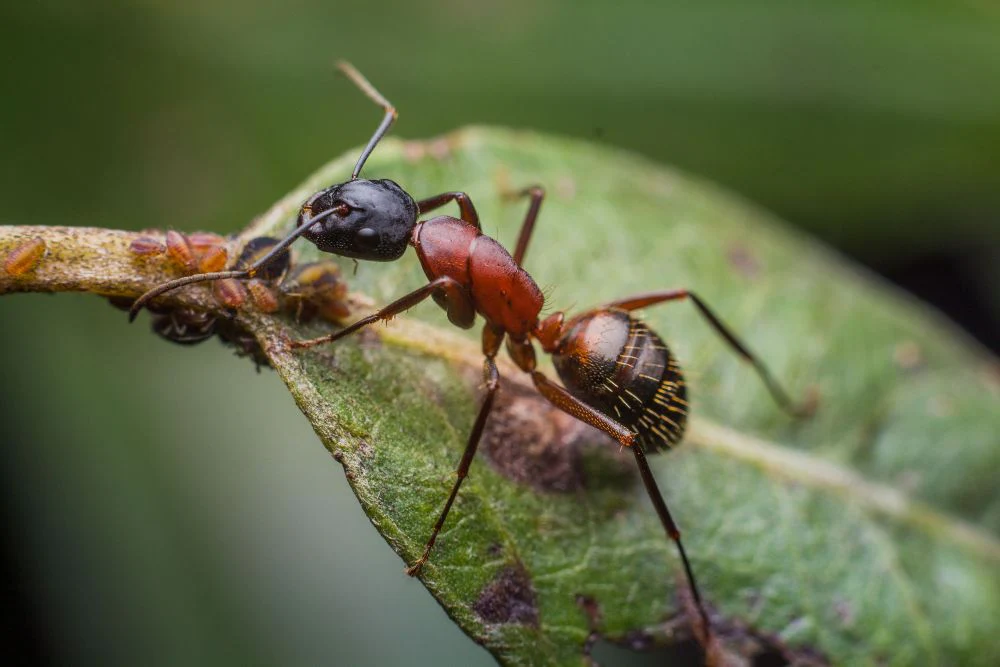
Ants are among the most common pests that find their way into homes and commercial spaces. Their colonies grow rapidly, their trails spread silently, and their persistence can create continuous frustration for anyone trying to maintain a clean and healthy environment. While ants might seem like a minor inconvenience at first, their presence can escalate into a widespread problem if not handled correctly. The damage they cause to food supplies, structures, and personal comfort often leads property owners to seek reliable and long-lasting solutions. This is where the need for strategic ant management becomes essential. By understanding how ant colonies function, how infestations begin, and which preventive methods offer the most sustainable results, property owners can maintain stronger control over their living or working spaces. Professional ant control services also play a crucial role in providing comprehensive protection and developing long-term prevention plans that reduce the chances of recurring issues.
How Ant Colonies Function and Why They Spread Quickly
Ant colonies operate with an impressive level of structure and efficiency. Each colony is built around a queen whose primary responsibility is reproduction. Worker ants are responsible for gathering food, caring for larvae, building tunnels, and defending the nest. Their exceptional communication abilities allow them to follow scent trails and locate resources far from the original nesting area. This coordination is one of the primary reasons ant infestations can develop rapidly.
Ants usually enter buildings in search of food, water, or shelter. Even a small food crumb or a slightly damp area beneath a sink can attract a steady stream of scouts, who then communicate the discovery to thousands of workers. From there, the trail becomes consistent and continuous until the source is removed or the colony is eliminated. This structured behavior is why simple household cleaning often isn’t enough to stop an infestation. Understanding the internal dynamics of ant colonies helps explain why thorough and strategic measures are required for effective ant control.
Common Reasons Ants Invade Indoor and Outdoor Spaces
Ants are attracted to several environmental and structural conditions that exist in most buildings. Food sources such as crumbs, sugary spills, or open containers can easily draw in scout ants. Water sources, including leaking pipes, condensation, or damp surfaces near windows, also attract colonies looking for moisture. Even small entry points like cracks in walls, gaps in doors, or unsealed windows allow them to enter with ease.
Outdoor conditions can also encourage infestations. Overgrown vegetation, leftover building materials, decaying tree roots, and cluttered yards provide nesting environments for colonies to thrive. When these outdoor colonies become large, they frequently expand indoors. Because ants are adaptable and opportunistic, property owners must recognize how easily an infestation begins and understand the importance of a professional inspection when early signs appear.
Types of Ants That Commonly Invade Properties
Not all ants behave the same way, and different species can require different treatment approaches. For instance, sugar ants are attracted to sweets and often appear around kitchens. Grease ants prefer protein-based foods and frequently search through cooking areas. Carpenter ants do not eat wood, but they carve tunnels through wooden structures to create nests, which can weaken beams, frames, and foundations over time. Fire ants can be aggressive and cause painful stings, which creates safety concerns in outdoor environments.
The wide variety of species means that identifying the correct ant type is crucial for effective treatment. Professional evaluations make this easier, as trained specialists can identify species based on appearance, behavior, and nesting patterns. Once the species is confirmed, the correct ant control strategy can be implemented with greater efficiency and accuracy, increasing the chances of long-term success.
Signs That Indicate an Ant Problem Is Developing
Ant infestations rarely appear overnight. They typically start with subtle signs that many property owners overlook. The earliest indicator is usually the appearance of a few scout ants wandering through kitchens, bathrooms, or pantries. If these scouts find food or water, the number of ants increases rapidly. For many people, small trails along walls or countertops are the first obvious signal of a problem.
Other signs include tiny piles of dirt or wood shavings near walls or flooring, which may indicate nesting activity. Rustling sounds within walls, especially at night, can suggest the presence of carpenter ants. Even unusual pet behavior such as animals sniffing or pawing at certain areas can signal hidden ant movement. Recognizing these early signs allows owners to take preventive measures before the infestation becomes severe. At this stage, scheduling a professional ant control service provides the most effective solution to prevent expansion.
Why DIY Solutions Often Fail to Solve the Problem Permanently
Many property owners begin by attempting to treat ant problems themselves. They use over-the-counter sprays, set bait traps, or wipe away trails with household cleaners. While these methods may remove visible ants temporarily, they rarely address the root of the problem: the colony itself. Sprays may kill the ants in sight, but the queen and thousands of workers remain unharmed. Even store-bought bait traps may not be strong enough to target larger colonies.
In addition, many DIY solutions push ants to split their colonies into sub-nests, a behavior called budding. When this happens, the infestation becomes even larger and more difficult to eliminate. Without proper identification of the species, nesting location, and colony size, it is nearly impossible to achieve long-term success using temporary treatments. This is why professional ant control is considered the most reliable and comprehensive approach for both minor and severe infestations.
What Professional Ant Management Includes
Professional ant management services follow a detailed process that ensures the infestation is removed completely and does not return. The first step involves a thorough inspection to locate entry points, nesting areas, moisture sources, and areas where food is accessible. After identifying the species and the size of the colony, experts develop a customized strategy based on the structure of the building and the behavior of the ants.
Treatment may include strategic bait placement, chemical treatments targeted at nest locations, sealing cracks, eliminating moisture problems, and removing outdoor conditions that encourage colony growth. Professionals use products that are more effective than standard consumer-grade treatments, and they apply them in a way that minimizes risks to families, pets, and the environment. Follow-up visits are often included to ensure that no new colonies have formed and that the infestation is fully eradicated.
Important Prevention Strategies for Long-Term Protection
Preventing future infestations requires a combination of good property maintenance, smart cleaning habits, and routine inspections. Property owners should ensure that food is stored properly, spills are cleaned immediately, and crumbs are removed from hard-to-reach areas. Regularly checking for moisture issues such as leaks, clogged drains, or poor ventilation is also essential because ants often forage where water is accessible.
Outdoor maintenance is equally important. Keeping vegetation trimmed, removing decaying wood, and ensuring that soil or mulch does not touch the structure reduces the chances of ants forming colonies near the building. Sealing entry points, closing cracks, and reinforcing door and window fittings create strong defensive barriers. Pairing these strategies with periodic professional evaluations ensures long-term management and reduces the need for future treatments.
How Regular Inspections Help Preserve Property Value
Ant problems can affect both the appearance and structural integrity of a property. When infestations are left untreated, the damage can reduce the overall value of the building and create complications when selling to potential buyers. Regular inspections help identify issues early, allowing property owners to address them before the damage becomes visible or costly. Buyers often feel more confident choosing a property that has been consistently monitored for pests and maintained with care.
In commercial environments, inspections help maintain a clean and safe environment for customers and employees. Businesses in food service, healthcare, and retail are especially vulnerable to reputation damage if pests are visible. With consistent ant control efforts, businesses protect their image, maintain regulatory compliance, and create an environment that promotes long-term success.
Why Prevention Is More Affordable Than Repair
The cost of addressing a major infestation is far higher than the cost of routine preventive measures. Once ants invade deep into walls, floors, insulation, or structural beams, professional treatment becomes more time-consuming and complex. If structural damage occurs especially from carpenter ants the repairs can become extremely expensive. Preventive measures, on the other hand, are affordable, predictable, and easy to integrate into property maintenance routines.
Even simple steps like routine cleaning, sealing gaps, or monitoring moisture levels can prevent the formation of large colonies. Regular professional inspections can detect early movements before the colony expands. When compared to the cost of repairing damage, prevention remains the most cost-effective solution for long-term property protection.
Conclusion
Ant infestations can develop quickly and silently, creating discomfort, structural issues, and long-term property challenges. Understanding the behavior of ant colonies, recognizing early warning signs, and adopting preventive strategies are crucial for maintaining a clean and secure environment. While DIY solutions may offer temporary relief, lasting results require a comprehensive approach that targets the colony itself. Professional ant control provides accurate identification, targeted treatments, and ongoing prevention solutions that reduce the risk of repeated infestations. By combining smart maintenance habits with routine expert evaluations, property owners can protect their investment, maintain healthier living conditions, and enjoy peace of mind knowing their space is safe from long-term pest problems.