

Although whole-house backup power provides homeowners with peace of mind during outages, many still wonder what it can genuinely run. The answer varies depending on system size, load control, and household requirements. Some systems concentrate on the necessities, while others support almost every appliance in the home. Understanding these characteristics allows households to prepare more efficiently and prevent surprises during outages. This page discusses which appliances the entire home backup power normally supports, how it manages high-demand equipment, and what factors influence performance. Knowing what stays powered allows homeowners to pick the best approach for maintaining comfort, safety, and daily routines when the grid goes down unexpectedly.
What Does Whole Home Backup Power Typically Run During an Outage?
Essential Household Appliances: Most Systems Support
Most whole-house backup power systems are intended to support vital household appliances initially. Refrigerators and freezers remain operational to avoid food deterioration. Microwaves, coffee machines, and other tiny kitchen equipment frequently keep operating. Medical equipment, such as oxygen concentrators and motorized beds, remains operative. With components such as the Anker SOLIX Power Dock, which allows for quick switching between grid and backup power, internet routers and modems can remain online without interruption. Televisions and basic gadgets may also function, depending on the system size. Backup systems automatically prioritize these loads using transfer switches and integrated load controls, minimizing interruption, safeguarding health, and ensuring basic comfort during lengthy grid outages.
Heating, Cooling, and Climate Control Equipment
Whole-house backup power may support heating and cooling systems, but capacity is critical. When correctly scaled systems are in place, furnaces, boilers, and heat pumps frequently operate during outages. Central air conditioning uses more electricity and may necessitate larger capacity systems. Mini-split systems often need less energy. Climate control ensures comfort and safety even at high temperatures. Backup power also powers thermostats and circulation fans. Load management may restrict the simultaneous operation of numerous HVAC systems. Homeowners should prioritize zones to lessen demand. With proper size, whole-house backup power keeps indoor temperatures safe and minimizes problems like frozen pipes or overheating during extended outages.
Lighting, Outlets, and Everyday Electrical Loads
Whole-house backup power often provides adequate support for lighting and other electrical needs. Interior and external lighting increases safety and visibility. Standard outlets continue to provide electricity for phones, computers, and similar gadgets. Charging facilities for devices continue to work. Ceiling fans and ventilation systems often function normally. These loads consume less power than larger appliances. Backup systems effectively transfer electricity between circuits. Homeowners may walk freely and maintain routines without the need for candles or torches. Reliable lights and outlets help to prevent stress and risks during outages. Keeping these fundamental electrical loads operational allows houses to stay habitable, structured, and functioning until grid power is restored.
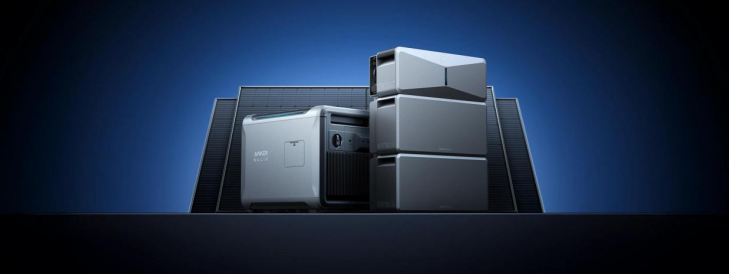
Can Whole Home Backup Power Run High-Demand Appliances?
Large Kitchen Appliances and Laundry Equipment
Whole home backup power can run large kitchen and laundry appliances if the system is sized correctly. Electric ranges, ovens, and dishwashers draw significant power. Clothes washers usually require moderate power, while electric dryers demand much more. A home battery backup with higher output can support these appliances, either continuously or selectively. Load management can prevent many high-demand appliances from operating at the same time. Homeowners frequently opt to prioritize refrigerators and cooking above laundry. Many systems provide full-home coverage, allowing for typical kitchen usage during outages. Proper planning ensures convenience without overburdening the system or limiting runtime prematurely.
Well Pumps, Sump Pumps, and Water Systems
Water systems are crucial during outages, especially in residences without municipal water. Whole-house backup power is frequently used to operate well pumps and pressure systems. Sump pumps also stay operational, preventing flooding during storms. These systems demand high starting power but minimal operating power. Backup systems must be able to manage these surges reliably. Load estimates guarantee that pumps start smoothly without tripping the system. Maintaining water access promotes hygiene, cooking, and sanitation. Backup power also keeps water heaters operational in some cases. Backup power is critical for households that rely on pumps because it protects against water damage and supply disruptions during lengthy outages.
Electric Vehicle Chargers, Workshops, and Specialty Loads
High-demand specialized loads need precise planning. Electric car chargers consume a significant amount of electricity and may not operate during outages unless the infrastructure supports high output. Some homeowners prohibit or temporarily prevent EV charging. Workshops using power tools, compressors, or welders also exert a high demand on backup systems. Specialty equipment, such as pool pumps or elevators, may require dedicated circuits. Advanced whole-house systems with load control can accommodate these loads selectively. Homeowners should prioritize their demands during outages. Backup power, with correct scale and design, may sustain modern lifestyles without jeopardizing critical systems or overall system stability.
Conclusion
Whole-house backup power can power a wide range of gadgets, from necessities to high-demand items. The actual capability varies depending on system size, load priority, and home patterns. Most systems can handle refrigeration, lighting, communication, and temperature management. Larger systems provide coverage for kitchens, water systems, and specific loads. Understanding appliance demands enables homeowners to select the best configuration. Proper planning reduces overload and increases runtime. When properly constructed, whole-house backup power keeps houses secure, comfortable, and operational. Knowing what your system can handle gives you confidence and preparation when disruptions disturb typical utility service.