
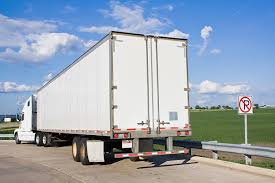
Introduction: Understanding the Importance of Dedicated Parking for Large Trucks
Finding reliable parking for large commercial trucks has become one of the most significant concerns for drivers, fleet operators, and logistics companies. As freight demand continues to rise, operators face increasing pressure to locate safe, efficient, and accessible spaces where drivers can rest, refuel, or take mandatory breaks. The size and turning radius of an 18-wheel truck require specialized planning that regular parking facilities simply cannot support. Dedicated areas for large commercial vehicles are essential not only for operational efficiency but also for road safety, driver health, and regulatory compliance. As the transportation industry evolves, the need for structured parking solutions grows, demanding well-designed, secure spaces that reduce stress and improve workflow across the supply chain.
Why Specialized Parking Matters in the Transportation Industry
Specialized parking plays a vital role in supporting logistics operations. Long-haul drivers spend extensive hours on the road, and regulations mandate specific rest periods to prevent fatigue-related accidents. Without accessible parking, drivers may be forced to stop in unsafe or unauthorized areas, risking violations, security threats, or accidents. Proper parking facilities provide designated spots where fleets can remain organized and protected, ensuring that trucks are positioned safely and without obstructing traffic or nearby businesses. Parking availability also impacts scheduling, as drivers who cannot secure a spot may lose valuable working hours searching for one. For businesses managing tight delivery windows, this can lead to delays, inefficiency, and increased operational costs.
Planning and Layout Considerations for Large Truck Parking
Designing or choosing suitable parking for large trucks involves more than placing wide spaces in a lot. A well-thought-out layout must accommodate the turning radius, overall length, weight, and maneuverability challenges specific to heavy-duty commercial vehicles. This includes ensuring appropriate lane width, angled parking designs that make navigation easier, and durable surfaces capable of supporting significant weight without quick deterioration. Drainage systems should be incorporated thoughtfully to prevent water pooling, which can lead to structural damage or slipping hazards. Signage, lighting, and directional indicators must be clear and strategically placed to assist drivers entering or exiting the facility, especially during nighttime or heavy-traffic conditions. The overall design must prioritize movement efficiency, safety, and ease of access.
Safety and Security Features for Truck Parking Facilities
Security is a top priority for drivers and fleet managers. Trucks often carry high-value goods, making them prime targets for theft or vandalism when parked in unsecured areas. High-quality parking facilities should include surveillance cameras, controlled access points, perimeter fencing, and adequate lighting to deter criminal activity. Regular patrols, automated gate systems, and restricted entry protocols further enhance overall security. Safety features inside the lot are equally essential, including clearly marked pedestrian pathways, emergency call stations, fire extinguishers, and designated refueling or maintenance zones. When these safety measures are in place, drivers can rest knowing their vehicles and cargo remain protected.
Amenities That Enhance Driver Experience
A well-designed parking facility goes beyond simply providing space. Long-distance drivers benefit from access to essential amenities such as clean restrooms, showers, rest areas, convenience stores, fuel stations, dining options, and maintenance services. Comfortable lounge areas allow drivers to decompress during mandatory rest periods, reducing fatigue and improving mental well-being. Amenities such as Wi-Fi access, laundry services, and wellness areas can significantly improve the overall experience for drivers who spend days or weeks away from home. Facilities that prioritize driver comfort contribute not only to satisfaction but also to safer driving performance when drivers return to the road refreshed and alert.
Challenges Drivers Face When Searching for Truck Parking
Despite ongoing advancements in infrastructure, finding safe and legal parking remains a major challenge for many commercial drivers. High demand, limited availability, and crowded rest areas contribute to stress and delays in scheduling. Many drivers end up parking in unsafe or unauthorized locations, such as highway ramps or industrial streets, which increases the risk of accidents and may result in fines. Urban congestion further complicates the process, as drivers may struggle to navigate tight spaces or restricted zones. Seasonal demands, severe weather, and unexpected road closures can also reduce availability, forcing drivers to travel long distances for suitable parking. Addressing these challenges requires strategic planning, increased facility development, and better coordination across the transportation industry.
The Economic Impact of Reliable Truck Parking
Reliable parking solutions offer economic benefits for both drivers and businesses. When drivers spend less time searching for parking, they save fuel, reduce wear on the vehicle, and maintain schedules more effectively. This leads to improved productivity and lower operational costs. For property owners, truck parking facilities generate consistent revenue through reservation systems, hourly or daily parking fees, and additional services such as fueling or maintenance. The transportation network as a whole benefits, as efficient parking reduces traffic congestion and enhances supply chain reliability. In industries where time is money, having dependable parking options supports stronger logistics performance and long-term financial stability.
Technology’s Role in Modern Truck Parking Solutions
Advancements in technology have significantly improved how drivers locate and access suitable parking. Digital platforms now allow drivers to reserve spots in advance, reducing uncertainty and preventing last-minute searches. Real-time monitoring systems enable facility operators to track availability and direct drivers to open spaces. Automated check-ins, mobile payment systems, and digital mapping tools make navigation and scheduling more efficient. Some facilities incorporate smart sensors that detect vehicle presence, analyze usage patterns, and optimize space allocation. These technological innovations streamline operations and contribute to a more seamless parking experience for drivers and fleets alike.
Best Practices for Choosing the Right Parking Facility
Drivers and fleet managers should evaluate multiple factors when selecting a parking facility. Safety should always be a primary consideration, which includes reviewing security systems, lighting, and controlled access. Convenience plays a crucial role, as facilities should be easy to reach without navigating hazardous or congested routes. The availability of essential amenities greatly enhances comfort and efficiency, especially for long-haul drivers. Additionally, the structural stability and maintenance condition of the lot are important, as poorly maintained surfaces can cause vehicle damage. Budget and reservation policies should also be considered to ensure that the chosen facility aligns with operational needs and financial expectations. Making informed decisions ensures drivers park safely, comfortably, and efficiently.
Environmental Considerations in Truck Parking Development
Sustainable practices are becoming increasingly important in the logistics industry, and parking facilities are no exception. Incorporating environmentally friendly elements, such as permeable pavement, solar lighting, and green landscaping, helps reduce environmental impact. Facilities that provide electric charging stations for hybrid or electric commercial vehicles support the shift toward cleaner transportation. Proper waste disposal systems and environmentally safe drainage structures further contribute to sustainability. As environmental regulations become stricter, incorporating eco-conscious design elements can help facilities meet compliance standards while supporting long-term environmental health.
Conclusion: The Long-Term Value of Secure Truck Parking
Proper solutions for 18 wheeler parking are essential for ensuring safety, efficiency, and comfort within the transportation sector. As the demand for freight movement continues to grow, the need for secure, well-designed parking becomes even more crucial. Modern facilities that incorporate safety, technology, and comfort-focused amenities help reduce stress for drivers and improve operational reliability for businesses. Investing in reliable 18 wheeler parking enhances workflow, minimizes risk, and supports a healthier, more productive logistics network. With thoughtful planning, advanced technologies, and a commitment to driver support, high-quality 18 wheeler parking solutions will remain valuable assets for years to come, benefiting the entire transportation ecosystem.