
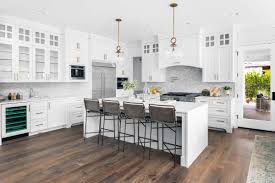
Kitchen remodeling is one of the most impactful home improvement projects a homeowner can undertake. The kitchen is often considered the heart of the home, serving not only as a place for preparing meals but also as a central hub for family gatherings, socializing, and entertaining guests. A well-executed kitchen remodeling project can transform a space that feels outdated, inefficient, or cluttered into a stylish, functional, and highly enjoyable environment. This comprehensive guide explores every aspect of kitchen remodeling, including planning, budgeting, design, materials, appliances, challenges, and maintenance, helping homeowners make informed decisions and achieve their ideal kitchen.
Understanding the Purpose of Kitchen Remodeling
Kitchen remodeling is much more than simply replacing cabinets or updating appliances. It is a process that involves rethinking the layout, design, and functionality of the space to meet current needs while also preparing for future lifestyle changes. A successful remodeling project considers how homeowners use the kitchen, whether it is for frequent cooking, hosting gatherings, or a combination of multiple activities.
The primary goals of kitchen remodeling often include improving storage, optimizing workflow, enhancing lighting, modernizing appliances, and creating an aesthetically pleasing environment. By evaluating the current limitations of the kitchen and identifying areas for improvement, homeowners can develop a clear remodeling plan that maximizes both style and functionality. Kitchen remodeling also provides an opportunity to integrate technology, sustainability features, and energy-efficient solutions, ensuring the space remains modern and convenient for years to come.
Planning and Budgeting for Kitchen Remodeling
Thorough planning is essential for any kitchen remodeling project. Without a clear plan, homeowners may face unexpected challenges, cost overruns, or design inconsistencies. The planning stage begins with a detailed assessment of the current kitchen, including layout, storage, lighting, and appliance placement. Homeowners should prioritize the changes that will have the most significant impact on daily use, as well as any upgrades that will increase the overall value of the home.
Budgeting is a crucial component of kitchen remodeling. The cost of a remodel can vary widely depending on the scale of the project, the materials chosen, and labor requirements. It is important to establish a realistic budget early in the planning process, taking into account all potential expenses, including materials, appliances, labor, permits, and contingencies for unexpected issues. A recommended practice is to allocate an additional 10–15% of the budget to cover unforeseen costs, ensuring that the project can continue smoothly without financial strain.
Design Considerations in Kitchen Remodeling
The design phase is one of the most exciting and creative aspects of kitchen remodeling. A thoughtful design improves both functionality and aesthetics, creating a space that is enjoyable to use and visually appealing. Key design elements to consider include layout, color schemes, lighting, cabinetry, countertops, flooring, and storage solutions.
Popular kitchen layouts include U-shaped, L-shaped, galley, and open-concept designs. Each layout offers distinct advantages depending on the available space, traffic flow, and homeowner preferences. When choosing a layout, it is essential to consider the “work triangle,” which positions the sink, stove, and refrigerator in a configuration that maximizes efficiency and minimizes unnecessary movement.
In addition to layout, lighting plays a significant role in kitchen remodeling. Proper lighting enhances visibility, highlights design elements, and contributes to the overall ambiance. A combination of task lighting, ambient lighting, and accent lighting is often recommended to create a well-balanced and functional kitchen environment.
Color schemes and finishes also impact the overall feel of the kitchen. Neutral tones are timeless and versatile, while bold colors and patterns can make a striking design statement. Harmonizing cabinetry, countertops, flooring, and wall finishes ensures a cohesive, polished look. Homeowners should also consider durability and maintenance when selecting materials, as kitchens are high-traffic areas prone to spills, moisture, and wear.
Choosing the Right Materials and Finishes
Material selection is a critical component of kitchen remodeling. The right materials enhance both the appearance and longevity of the kitchen, while poor choices can result in frequent repairs, staining, and dissatisfaction. Flooring materials such as hardwood, tile, laminate, and engineered wood offer different levels of durability, maintenance, and aesthetic appeal. Countertops should combine beauty with functionality, with popular options including quartz, granite, marble, and solid surfaces.
Cabinetry is another vital element in kitchen remodeling, as it provides essential storage and contributes to the overall design. High-quality cabinets with durable finishes and functional hardware ensure long-lasting performance and ease of use. Backsplash materials, including tile, glass, and metal, can add a stylish touch while protecting walls from cooking splatters. Selecting finishes that are easy to clean, resistant to heat and moisture, and complement the overall design will result in a kitchen that remains attractive and practical over time.
Appliances and Technology
Modern kitchens increasingly incorporate advanced appliances and technology, which are central to many kitchen remodeling projects. Upgrading to energy-efficient appliances can reduce utility costs and improve the functionality of the space. Smart appliances, such as refrigerators, ovens, and dishwashers, offer convenience, precision, and connectivity, allowing homeowners to streamline cooking and cleaning tasks.
Technology in kitchen remodeling extends beyond appliances. Innovative solutions like automated faucets, smart lighting, and pull-out storage systems enhance both usability and organization. Integrating technology thoughtfully ensures the kitchen is both modern and efficient, catering to the needs of today’s homeowners while anticipating future demands.
Hiring Professionals for Kitchen Remodeling
While some homeowners may attempt DIY renovations, complex kitchen remodeling projects typically require professional expertise. Contractors, interior designers, and specialized kitchen remodelers bring experience, technical knowledge, and practical skills that significantly improve the quality and efficiency of the project. Professionals can provide guidance on layout optimization, structural modifications, materials, permits, and compliance with building codes, making the remodeling process smoother and more reliable.
Selecting the right professionals involves research and careful evaluation. Reviewing portfolios, verifying licenses and insurance, and checking references are essential steps in hiring trustworthy and competent remodelers. Clear communication regarding expectations, timelines, and budget ensures alignment between homeowners and professionals, ultimately leading to a successful outcome.
Common Challenges in Kitchen Remodeling
Despite careful planning, kitchen remodeling can present several challenges. Delays in material delivery, unexpected structural issues, labor shortages, and budget overruns are common obstacles. Anticipating these challenges, maintaining flexibility in the schedule, and keeping open communication with the remodeling team are essential strategies for overcoming problems efficiently.
Another challenge is achieving a balance between aesthetic appeal and practical functionality. While certain design features may be visually striking, they must also serve the daily needs of the household. Homeowners should carefully evaluate every decision in terms of usability, durability, and long-term convenience to ensure the remodeled kitchen meets both form and function requirements.
Maximizing the Value of Kitchen Remodeling
One of the primary motivations for kitchen remodeling is the potential increase in property value. A thoughtfully designed, modern, and functional kitchen is a major selling point for potential buyers and can enhance the overall market appeal of a home. Incorporating durable materials, energy-efficient appliances, and strategic layouts contributes to a high-value kitchen that attracts future buyers.
To maximize the return on investment, homeowners should focus on changes that offer both aesthetic satisfaction and practical benefits. Quality cabinetry, well-planned storage, durable countertops, and efficient appliances create a kitchen that is both enjoyable to use and attractive to prospective buyers. A well-executed kitchen remodeling project ultimately combines personal enjoyment with long-term financial benefits.
Maintenance and Longevity After Kitchen Remodeling
After completing a kitchen remodeling in Mercer Island project, proper maintenance is essential to preserve the beauty and functionality of the space. Regular cleaning, timely repairs, and careful monitoring of appliances, cabinetry, and surfaces help extend the life of the remodel. Following manufacturer recommendations for materials and appliances ensures optimal performance and reduces wear and tear.
Kitchen remodeling is not a one-time event but a long-term investment in your home. Periodic updates, appliance replacements, and small refinements maintain the functionality and aesthetic appeal of the space. By taking care of the remodeled kitchen, homeowners can enjoy the benefits of their investment for many years while keeping the space fresh and modern.
Conclusion
kitchen remodeling in Mercer Island is a transformative process that enhances both the functionality and visual appeal of one of the most important spaces in a home. Through careful planning, thoughtful design, quality materials, and professional guidance, homeowners can achieve a kitchen that meets their current needs while adding long-term value to their property.
By anticipating challenges, balancing aesthetics with practicality, and investing in durable finishes and appliances, a kitchen remodeling project can create a space that is both stylish and efficient. Ultimately, kitchen remodeling is about designing a space that reflects personal lifestyle preferences, accommodates everyday routines, and provides a welcoming environment for family and guests. A successful remodel results in a kitchen that is functional, beautiful, and enduring, making it the centerpiece of the home for years to come.