
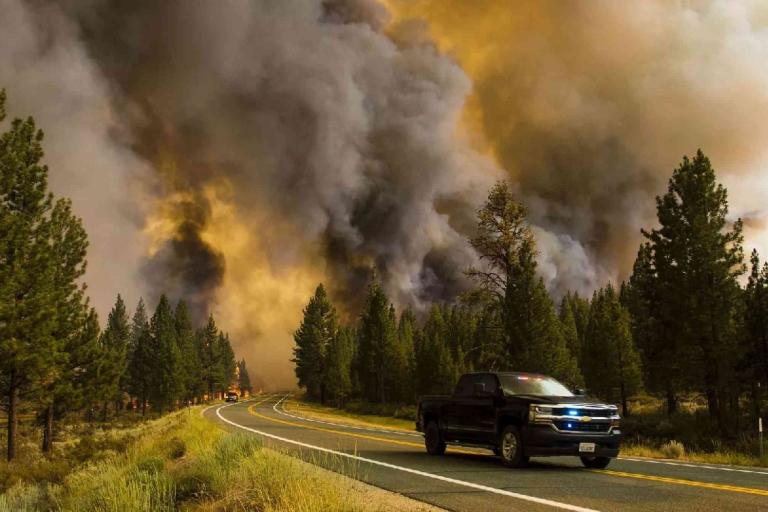
Wildfires are among the most destructive natural disasters, causing significant damage to forests, homes, wildlife habitats, and human communities. The increasing frequency and intensity of these fires have highlighted the critical importance of wildfire mitigation, a comprehensive set of strategies designed to reduce the risk, spread, and impact of wildfires. Wildfire mitigation encompasses preventive measures, planning, public education, and emergency preparedness, aiming to protect lives, property, and ecosystems. Understanding the principles of wildfire mitigation, the techniques involved, and the challenges faced is essential for communities, governments, and land managers seeking to reduce the devastating consequences of wildfires.
The Importance of Wildfire Mitigation
Effective wildfire mitigation is essential because wildfires not only threaten human life and property but also have long-lasting ecological, economic, and social consequences. Fires can destroy vast tracts of forests, reducing biodiversity, altering ecosystems, and causing soil degradation. They release large amounts of carbon dioxide into the atmosphere, contributing to climate change, and impact air quality, which poses health risks for nearby communities. Economically, the damage caused by wildfires can be staggering, affecting timber industries, tourism, insurance markets, and local infrastructure. Socially, communities experience displacement, emotional trauma, and long-term recovery challenges. By implementing wildfire mitigation measures, it is possible to significantly reduce the probability and severity of fires, making landscapes, properties, and human communities more resilient.
Key Principles of Wildfire Mitigation
Wildfire mitigation relies on a combination of proactive and reactive strategies, focusing on prevention, preparedness, response, and recovery. Some of the key principles include:
Risk Assessment and Mapping
One of the first steps in wildfire mitigation is assessing the risk of fire in a given area. This involves mapping fire-prone zones based on historical data, vegetation types, topography, and climate conditions. Risk assessments allow land managers, governments, and emergency planners to identify high-risk areas, prioritize resource allocation, and develop targeted mitigation strategies. Modern technologies, including satellite imagery, Geographic Information Systems (GIS), and remote sensing, provide accurate and real-time data for risk mapping, enabling decision-makers to anticipate potential wildfire events and plan accordingly.
Fuel Management
A critical aspect of wildfire mitigation is controlling the accumulation of combustible materials, often referred to as fuel. This includes dead trees, dry vegetation, underbrush, and other flammable materials that can accelerate fire spread. Techniques such as mechanical thinning, controlled burns, and clearing of brush and debris reduce fuel loads and create firebreaks, which slow the progress of fires and provide firefighters with safer access to affected areas. Proper fuel management requires careful planning to avoid ecological harm while maintaining effectiveness in preventing wildfire escalation.
Structural Protection and Community Planning
Communities in wildfire-prone areas can significantly reduce risk through thoughtful planning and construction techniques. This includes designing buildings with fire-resistant materials, maintaining defensible space around structures, and implementing community-wide evacuation and emergency plans. Creating buffer zones, establishing firebreaks, and ensuring access routes for emergency services are essential components of community-level wildfire mitigation. Educating homeowners and community members on best practices, such as safe storage of flammable materials and landscaping that reduces fire spread, further enhances safety.
Early Detection and Monitoring
Early detection is crucial for effective wildfire mitigation. Technologies such as fire watch towers, drones, thermal imaging cameras, and satellite monitoring systems allow rapid identification of fire outbreaks. Prompt detection enables a quicker response, reducing fire intensity and preventing larger-scale damage. Fire management teams can use monitoring data to deploy resources strategically, predict fire behavior, and implement evacuation protocols when necessary. Continuous monitoring also supports long-term planning, helping authorities analyze patterns and implement improvements in mitigation strategies.
Emergency Response and Preparedness
Preparedness is a vital component of wildfire mitigation, ensuring that communities and emergency teams can respond effectively when fires occur. This includes developing emergency response plans, conducting regular drills, and equipping firefighting teams with the necessary tools and training. Coordination between local, regional, and national authorities improves the efficiency of fire suppression efforts and minimizes casualties and property damage. Public awareness campaigns, emergency notification systems, and community drills empower residents to act quickly and safely during wildfire events, reducing the overall impact of fires on human populations.
Techniques and Strategies in Wildfire Mitigation
Implementing effective wildfire mitigation requires a combination of scientific knowledge, practical strategies, and ongoing community engagement. Several widely used techniques have proven successful in reducing wildfire risks:
Controlled or Prescribed Burns
Prescribed burning is a technique in which fire is intentionally applied to a controlled area under specific conditions. This method reduces the accumulation of combustible vegetation, recycles nutrients back into the soil, and maintains the health of fire-adapted ecosystems. While prescribed burns carry inherent risks, careful planning and monitoring ensure that they provide a safe and effective means of fuel reduction, preventing larger and more destructive wildfires.
Vegetation and Forest Management
Proper management of forests and vegetation is essential to minimize wildfire risk. This includes thinning dense forests, removing dead or diseased trees, and selectively pruning vegetation to reduce fire ladders that allow flames to spread from the ground to the canopy. Forestry techniques such as sustainable harvesting, habitat restoration, and selective planting contribute to healthier forests that are more resilient to fire. Combining forest management with wildfire mitigation practices helps maintain biodiversity while reducing vulnerability to intense fires.
Firebreaks and Barrier Creation
Creating physical barriers, such as firebreaks, is a critical wildfire mitigation strategy. Firebreaks are strips of land cleared of vegetation that act as buffers to slow or stop the spread of flames. They provide strategic points for firefighting efforts and can protect communities, infrastructure, and critical habitats. Effective firebreak planning involves assessing terrain, prevailing winds, and potential fire behavior to determine optimal placement and design. Combining firebreaks with fuel management and monitoring systems enhances the overall effectiveness of wildfire mitigation.
Public Education and Community Engagement
Engaging communities in wildfire mitigation efforts is essential for long-term success. Educating residents about fire prevention, safe landscaping practices, emergency preparedness, and evacuation protocols helps reduce human-caused ignition sources and encourages proactive participation. Community-based programs, workshops, and outreach campaigns create a culture of awareness and responsibility, empowering individuals to contribute to wildfire mitigation while fostering collaboration between residents and local authorities.
Challenges in Implementing Wildfire Mitigation
Despite its critical importance, wildfire mitigation faces several challenges that complicate its implementation. Climate change has increased the frequency and severity of wildfires, creating conditions of prolonged drought, higher temperatures, and stronger winds that intensify fire behavior. Urban expansion into fire-prone areas has increased human exposure to wildfires, while limited resources and funding can hinder the development of effective mitigation strategies. Additionally, balancing ecological preservation with fire prevention requires careful planning, as some mitigation techniques, such as large-scale vegetation removal, can disrupt wildlife habitats and ecosystem dynamics. Addressing these challenges requires coordinated efforts, innovative solutions, and ongoing investment in research and technology to improve wildfire mitigation practices.
Long-Term Benefits of Wildfire Mitigation
Implementing comprehensive wildfire mitigation measures provides long-term benefits for communities, ecosystems, and the economy. By reducing the frequency and intensity of fires, mitigation strategies protect human life, property, and infrastructure, while also preserving forests and wildlife habitats. Health impacts associated with smoke and poor air quality are minimized, and the financial burden of fire recovery and insurance claims is significantly reduced. In addition, wildfire mitigation supports sustainable land management practices, maintaining ecosystem services such as water regulation, carbon sequestration, and soil conservation. By proactively addressing wildfire risks, communities can build resilience, promote environmental sustainability, and safeguard resources for future generations.
Conclusion
Wildfire mitigation in Conifer is a critical aspect of environmental management and public safety, combining prevention, planning, monitoring, and community engagement to reduce the risk and impact of wildfires. By employing strategies such as fuel management, prescribed burns, firebreak creation, forest management, and public education, it is possible to protect lives, property, and ecosystems from the devastating effects of uncontrolled fires. While challenges such as climate change and urban expansion increase wildfire risks, comprehensive mitigation efforts offer a proactive solution that enhances resilience, sustainability, and long-term safety. Wildfire mitigation is not only a technical practice but also a societal responsibility, ensuring that communities, forests, and wildlife can thrive despite the growing threat of wildfires.