
You might already feel that something is off, even if you cannot prove it yet. Maybe the numbers do not line up the way they used to, a vendor relationship suddenly feels hard to explain, or a routine review has raised questions no one can answer clearly. In situations like these, forensic accountants in Spring Valley, Las Vegas can help bring clarity to what is happening. That kind of uncertainty can wear on a team fast, because once trust in the financial picture starts to crack, every decision feels heavier.
And that is often the moment when leaders start asking a hard but necessary question. Is this a bookkeeping issue, a control problem, or something more serious? The short answer is simple. If you see unusual patterns, missing support, internal resistance, or signs of fraud risk, it may be time to bring in a forensic accountant. A trained financial investigator can help you find facts, protect records, and give you a clear path forward before a small concern turns into a larger loss.
When do financial red flags mean you should consult a forensic accountant?
Not every accounting mistake points to fraud, and that is part of what makes these situations stressful. Normal errors happen. Systems fail. People misunderstand process. But when issues repeat, grow, or seem tied to one person, one department, or one set of transactions, the problem starts to move out of the ordinary.
Regulators and researchers continue to warn organizations not to ignore early warning signs. The SEC has emphasized the importance of strong fraud detection practices and professional skepticism, because fraud often hides inside familiar routines. Research from NC State also points to common financial fraud red flags such as unusual behavior, pressure points, and weak oversight. So, where does that leave you?
It leaves you looking for patterns, not excuses. Here are four signs your organization should not wait.
Is unexplained financial activity the first sign of trouble?
If accounts are changing without a clear business reason, you need answers. This can look like duplicate payments, odd journal entries near period end, missing invoices, revenue that spikes and then reverses, or expenses that drift upward without support. One strange item may be nothing. A pattern of strange items is different.
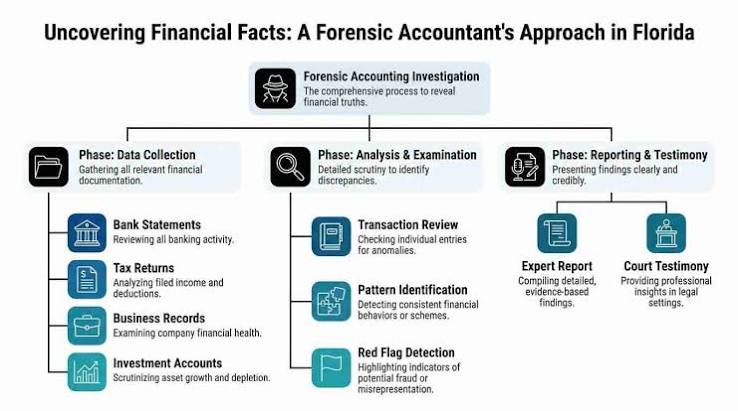
The danger is not just the dollars already lost. It is the fact that unclear transactions make it harder to trust reporting, forecast cash flow, and answer to lenders, board members, or investors. A forensic accounting expert can trace transactions, review source documents, and identify whether the issue comes from error, control failure, or intentional misconduct.
What if one person controls too much of the process?
Sometimes the warning sign is not in the ledger first. It is in behavior. Maybe one employee resists oversight, avoids vacations, keeps key records close, or insists that only they understand a certain account. That can feel awkward to challenge, especially if the person is long tenured and trusted. Still, concentrated control is one of the clearest risk factors in fraud cases.
According to the Government Accountability Office, organizations benefit from stronger internal controls and structured fraud risk management because weak oversight creates room for abuse. Their guidance on fraud risk management and internal control practices reinforces a point many leaders learn the hard way. Trust matters, but controls matter too.
If your process depends too heavily on one gatekeeper, a forensic accountant can test that area without guesswork. That helps you move from suspicion to evidence.
Are missing documents and inconsistent explanations becoming routine?
When backup is hard to find, stories change, or records appear altered, the issue is no longer just administrative. Missing contracts, absent receipts, unsigned approvals, or vendor files with thin documentation can point to serious control gaps. In some cases, they can point to concealment.
This is where many organizations lose time. They keep asking for the same documents, hoping the next email will clear things up. But if records are incomplete or being withheld, delay can make recovery harder. Digital trails get overwritten. People talk. Positions harden. A fraud investigation accountant can secure records, preserve evidence, and document findings in a way that supports internal action, insurance claims, or legal review if needed.
Has a complaint, audit, or dispute raised stakes you cannot ignore?
Sometimes the trigger is external. A whistleblower complaint comes in. An auditor flags irregular entries. A partner questions distributions. A regulator asks for support. In those moments, the issue is no longer private concern. It is organizational risk.
You do not need to wait until you are certain fraud occurred. In fact, waiting for certainty is often what deepens the damage. A forensic accountant helps you understand scope, quantify losses, and prepare a factual record. That is useful whether the outcome points to theft, policy failure, or a painful but honest mistake.
Should you handle it internally or bring in a forensic accountant?
Many teams try to solve these problems quietly with existing staff. That instinct is understandable, especially when budgets are tight or reputations feel fragile. But sensitive financial issues call for independence, technical analysis, and careful evidence handling.
| Approach | What It Can Do | Risk You Should Weigh |
|---|---|---|
| Internal review only | May catch simple errors or process gaps quickly | Can miss fraud patterns, create bias concerns, or fail to preserve evidence |
| Controller or CFO led review | Useful for high level account analysis and immediate damage control | If leadership is close to the issue, independence may be questioned |
| Professional forensic accountant | Traces funds, tests records, documents findings, and supports disputes or claims | Higher upfront cost, but often lowers long term financial and legal exposure |
If the concern involves possible misconduct, hidden transactions, or a dispute over money, an independent forensic accountant often brings the clearest value.
What can you do right now if you see these signs?
- Preserve records immediately.
Gather bank statements, invoices, emails, approvals, contracts, and system access logs. Do not edit files, and do not rely on memory. The goal is to protect the timeline before more information disappears.
- Limit internal discussion.
It is natural to want answers fast, but broad internal conversations can complicate matters. Keep the circle small, involve appropriate leadership, and avoid accusations before facts are verified.
- Get an independent assessment.
If the issue touches fraud risk, missing funds, or reporting concerns, bring in a financial investigation professional early. An early review can narrow the problem, reduce disruption, and help you choose the right next step with confidence.
What happens after you ask for help?
If your organization is seeing these warning signs, you are not overreacting by taking them seriously. You are protecting your people, your reporting, and your future decisions. The hardest part is often the space between suspicion and clarity, because that is where stress grows and trust starts to erode.
You do not have to stay in that space longer than necessary. If these signs sound familiar, consult a forensic accountant and get a fact based review of what is happening, what it may cost, and what should happen next.