
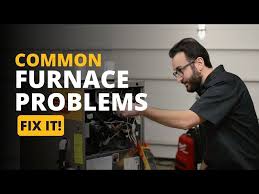
A furnace provides heat throughout a home for both warmth and comfort. It requires proper maintenance and routine repairs by an HVAC services provider for optimal performance. Problems that go unaddressed can lead to more serious component breakdowns. Here are a few common furnace problems:
Insufficient Furnace Heating
A furnace that is not producing the right amount of heat, or no heat at all, may be experiencing a problem with the blower fan. The blower fan circulates warm air into your indoor space after it has been heated. If the blower is not operating properly, heated air may not move through the system as intended. Checking the thermostat helps determine whether the issue is related to no heat or insufficient heating. Turning on the fan and confirming that it runs is able to show that the furnace has power. Verifying that the thermostat is set to heat and adjusted to the correct temperature can also help identify the source of the problem.
Clogged Air Filters
A dirty air filter restricts airflow through your HVAC system, which can lead to shorter heating cycles and uneven temperature distribution. When filters become clogged with dust, pet hair, and debris, the furnace must work harder to push air through, placing additional strain on components and potentially causing overheating. Over time, this can damage key parts like the heat exchanger, resulting in repairs.
Replacing a clogged filter with a clean one restores proper airflow, allowing your furnace to operate efficiently. Clean filters reduce the amount of dust and allergens circulating in your home, improving indoor air quality and preventing buildup inside the system. Regular filter replacement also helps maintain consistent heating, so warm air reaches every room without overworking the furnace.
Technicians are able to identify other complications that may be linked to dirty filters. This includes uneven heat distribution or excessive strain on the blower motor. Keeping filters clean supports long-term performance, prevents unnecessary repairs, and prolongs the life of the furnace. Homeowners are encouraged to check filters monthly and replace them every one to three months, depending on usage and environmental factors.
Frequent Furnace Cycling
Frequent cycling occurs if the system’s heat exchanger blows hot air into your room. When the room temperature reaches the thermostat’s set point, the blower turns off. This might indicate a mismatch between the set temperature and airflow. If the system repeatedly turns on and off, a possible reason could be that the thermostat is set to its maximum temperature.
Steam furnaces rely on power from electricity to heat your room. If your system switches on and off, the problem could result from loose wires, burnt insulation, or errors in your home’s breaker settings. Your unit is also able to experience short cycles after installing an air conditioner for the unused system vent. That short heating cycle causes damage from wear and tear to your unit, but your HVAC services provider can replace burnt wires or fuse holders.
Ignition or Pilot Failure
Furnaces rely on a pilot light to heat a space, but it can go out due to a faulty thermocouple or poor ventilation. If your furnace doesn’t ignite, the issue might be a worn-out igniter, pilot flame problems, or circuit issues. Fuel-based furnaces that won’t light could also have supply line problems. Blocked vents or transformer issues may cause ignition failures. HVAC specialists with proper training can diagnose and repair these problems. They are able to fix electrical issues, clear blocked vent pipes, or replace faulty components in your furnace.
Unusual Furnace Noises
Banging noises from your furnace suggest that internal components need lubrication. If not properly lubricated, the shafts and motors may run irregularly. The squealing sound indicates a need for proper lubrication of these parts. Regular servicing helps your furnace run smoothly year-round. Some maintenance tips include:
- Perform ventilation tests: Check airflow throughout the system to support the furnace is circulating warm air efficiently and identify any blockages or imbalances.
- Inspect fuel pressure: Verify that gas or oil pressure is within manufacturer specifications to maintain consistent performance and prevent strain on the system.
- Clean clogged burners: Remove soot, dust, and debris from burners to support proper ignition, efficient combustion, and safe operation.
- Change filters regularly: Replace dirty or clogged filters to improve airflow, prevent dust buildup, and reduce wear on the furnace components.
Regular monthly cleaning of system vents prevents dust and debris from clogging the unit. Technicians are equipped and trained to identify and quickly fix any issues, using their tools and expertise for common furnace problems.
Get Professional HVAC Services Today
Regular HVAC services keep your heating and cooling system operating according to its design, which supports a consistent indoor environment. Technicians clear blocked vents and replace clogged air filters to support cleaner airflow. Schedule an inspection with HVAC service providers today.