
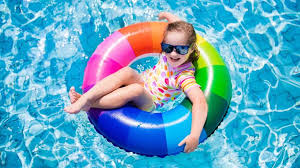
Water activities such as swimming, playing in pools, or visiting lakes can provide children with physical exercise, relaxation, and social engagement. For families with children on the Autism spectrum, however, water safety requires heightened vigilance and careful planning. Children with autism may display unique behaviors, sensory sensitivities, or communication differences that increase their risk of accidental drowning. Understanding these risks and adopting a comprehensive approach to prevention allows families to enjoy water activities safely while promoting confidence and independence. Effective strategies combine active supervision, environmental modifications, swimming education, structured routines, and emergency preparedness to create a secure and enjoyable water environment.
Understanding the Unique Risks for Children with Autism
Children on the autism spectrum often face heightened risks around water due to a combination of behavioral, sensory, and communication factors. Impulsivity and curiosity may drive children to approach pools, lakes, or bathtubs without recognizing potential hazards, while sensory sensitivities can trigger strong reactions to splashing, water temperature, or noise. These reactions may manifest unpredictably near water, increasing the risk of accidents. Furthermore, communication challenges can make it difficult for children to understand or respond to verbal instructions, complicating supervision. Many children with autism are also prone to wandering or elopement, which heightens the likelihood of unsupervised access to water. Recognizing these risks is essential for implementing effective safety measures that cater specifically to each child’s unique needs.
Active and Focused Supervision
Active supervision is the most critical factor in drowning prevention. Caregivers must be constantly present and focused on the child, maintaining close proximity and observing behaviors attentively. Assigning a dedicated adult to monitor children near water ensures that attention is not divided between multiple tasks. Structured observation techniques, such as visual markers, designated zones, or auditory cues like whistles, can help maintain awareness in larger or public swimming areas. Even children with strong swimming skills require consistent supervision because impulsivity or sensory triggers can override their abilities, making vigilance an essential safety measure at all times.
Environmental Safety Measures
Creating a safe environment provides another layer of protection. Installing four-sided pool fencing with self-latching and self-closing gates prevents unsupervised access to water. Gate locks should remain secured whenever pools are not in use, and alarm systems such as pool sensors, door alarms, or motion detectors can alert caregivers to unplanned entries. Landscaping should be evaluated to remove objects or structures that may allow children to climb over fences. Limiting access to water areas when supervision is unavailable and establishing designated safe zones for play away from water further enhance safety. These physical and environmental modifications, when combined with active supervision, create a multi-layered defense against drowning risks.
Swimming Skills and Water Familiarization
Swimming lessons are crucial for developing safety skills and confidence in children with autism. Professional instructors experienced in teaching children on the autism spectrum employ adaptive techniques and individualized pacing to meet each child’s needs. Gradual exposure to water, starting with shallow areas and basic floating exercises, allows children to build comfort and trust. Learning essential survival skills such as treading water, floating on the back, and safe entry and exit procedures is critical. Regular practice reinforces these skills, ensuring that children understand safety rules while enjoying water activities. It is important to remember that swimming proficiency does not replace supervision or environmental safety measures.
Personal Flotation Devices
Life jackets and other flotation devices provide an added layer of protection. Proper fitting is essential, with devices selected based on the child’s weight and height. Children should become familiar with wearing the life jacket in calm, shallow water before entering larger bodies of water. Flotation devices should be consistently used whenever children are near water, regardless of swimming ability, as they significantly reduce drowning risk while allowing children to enjoy aquatic environments with confidence. Integrating flotation devices into routine water activities fosters positive experiences while maintaining safety.
Structured Communication and Safety Protocols
Children with autism often have difficulty understanding verbal instructions, making visual supports, structured routines, and consistent rules essential. Illustrations, signage, and color-coded zones can help indicate safe areas and reinforce safety behaviors. Predictable routines such as “always hold an adult’s hand in the pool” or “wear a life jacket near water” provide structure that children can follow reliably. Emergency drills practiced in calm conditions help children learn appropriate responses to potential hazards. Consistency, repetition, and positive reinforcement encourage children to internalize safe behaviors and develop confidence in their ability to navigate water safely.
Emergency Preparedness
Even with multiple preventive measures, emergencies can occur. Caregivers should be trained in pediatric CPR, first aid, and water rescue techniques. Emergency plans should include clear instructions, contact numbers, and assigned responsibilities for each adult present during water activities. Accessible safety equipment such as life rings, rescue poles, and first aid kits should be positioned near all water sources. Being prepared allows caregivers to respond quickly and effectively to potential accidents, significantly improving outcomes in critical situations. Preparation, combined with supervision and environmental safety, ensures a robust defense against drowning risks.
Fostering Positive Experiences with Water
While safety is paramount, encouraging positive experiences around water builds confidence and enjoyment. Gradual exposure to water allows children to explore at their own pace, reducing fear or stress. Sensory-friendly activities, such as gentle splashing or floating exercises, help children with autism engage safely with water without overstimulation. Reinforcing safe behaviors with praise strengthens trust and motivates children to follow safety routines. Providing enjoyable water experiences alongside strict safety measures ensures that children learn to respect water hazards while developing a lifelong appreciation for aquatic activities.
Conclusion
Water safety for children with Autism requires a comprehensive, layered approach. By combining active supervision, environmental modifications, swimming lessons, personal flotation devices, structured communication, and emergency preparedness, families can significantly reduce the risk of drowning while providing positive, confidence-building experiences. Understanding and addressing the unique risks faced by children with autism ensures that water activities remain safe and enjoyable. Implementing these strategies helps caregivers foster an environment in which children can confidently explore and enjoy aquatic activities, promoting both safety and lasting enjoyment around water.