
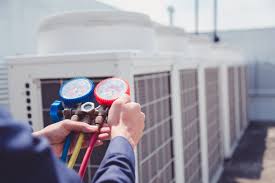
Introduction: The Importance of Commercial HVAC Systems
In today’s competitive business environment, maintaining a comfortable and safe indoor climate is more than just a matter of convenience; it is a critical component of operational efficiency, employee productivity, and customer satisfaction. Commercial HVAC systems are the backbone of temperature regulation, air quality, and overall environmental control in workplaces, retail centers, hospitals, educational institutions, and industrial facilities. When these systems malfunction or operate inefficiently, the consequences are far-reaching, impacting not only comfort but also operational costs, equipment longevity, and even business reputation. This is why investing in professional commercial HVAC repair is an essential priority for any organization seeking to maintain smooth, reliable, and cost-effective operations. Unlike residential HVAC systems, commercial units are larger, more complex, and often integrated with other critical building systems, which means that even minor issues can escalate quickly if left unaddressed, emphasizing the need for timely and professional intervention.
Understanding Commercial HVAC Systems
Commercial HVAC systems encompass a variety of components, each of which must function seamlessly to maintain proper climate control. Air handlers, which circulate conditioned air throughout the building, are essential for ensuring uniform temperature distribution and ventilation. Chillers and boilers provide large-scale heating or cooling depending on seasonal demands, while ductwork and ventilation systems ensure that airflow reaches all areas efficiently, maintaining both comfort and indoor air quality. Modern commercial HVAC units also incorporate thermostats, automated controls, sensors, and sometimes refrigeration components, which collectively regulate temperature, humidity, and air circulation. The complexity of these systems requires not only technical expertise for installation and maintenance but also precision in diagnosing and repairing issues. When any component fails—whether a compressor, fan, duct, or thermostat the impact can be substantial, causing uneven temperatures, increased energy consumption, and even complete system shutdown, which is why professional commercial HVAC repair is crucial to maintaining operational continuity.
Signs That Indicate Commercial HVAC Repair Is Needed
Recognizing the signs of HVAC system issues early can prevent small problems from escalating into costly repairs or extended downtime. Common indicators that a commercial HVAC system requires repair include unusual noises, such as grinding, squealing, or banging, which often point to worn mechanical parts or misaligned components. Inconsistent temperatures across different areas of a building may signal airflow problems or zoning issues that need professional attention. A sudden increase in energy bills can indicate inefficiencies caused by leaks, worn-out motors, or other malfunctioning components. Frequent breakdowns, even if minor, may reveal underlying issues that require a skilled technician’s intervention. Additionally, poor air quality, excessive dust, or lingering odors often suggest ventilation problems that, if ignored, can lead to health concerns for employees and visitors alike. Addressing these warning signs promptly through commercial HVAC repair helps prevent disruptions, reduces operating costs, and ensures a safe and comfortable environment for all building occupants.
Benefits of Professional Commercial HVAC Repair
The benefits of professional commercial HVAC repair extend far beyond simply fixing a broken system. First and foremost, certified technicians bring specialized knowledge and experience that enables them to accurately diagnose complex problems and implement long-lasting solutions. Unlike in-house staff who may lack the necessary tools or expertise, professional technicians can address intricate issues involving compressors, refrigerants, ductwork, electrical systems, or advanced automation controls. Their experience ensures that repairs are performed efficiently and correctly the first time, minimizing downtime and reducing the likelihood of repeat issues.
Extending System Lifespan
Timely repairs help extend the lifespan of HVAC systems. These units represent a significant financial investment, and maintaining their performance through professional repair and preventive care ensures that they continue operating effectively for many years, delaying the need for costly replacements.
Energy Efficiency and Cost Savings
Energy efficiency is another critical advantage of professional HVAC repair. A system that is functioning optimally consumes less energy, which directly translates into reduced utility bills and a smaller carbon footprint. Technicians can identify inefficiencies such as refrigerant leaks, blocked or leaking ducts, faulty motors, or worn-out components that cause the system to work harder than necessary. By restoring efficiency, businesses not only save money but also contribute to sustainability goals, demonstrating environmental responsibility.
Employee Comfort and Safety
Employee comfort and productivity are directly influenced by the performance of the HVAC system. Employees who work in environments with stable temperatures, proper airflow, and good air quality tend to be more focused, motivated, and healthier. Conversely, poorly maintained systems can lead to discomfort, fatigue, and even illness, negatively impacting workforce morale and overall productivity. Professional repair ensures a consistent, safe, and comfortable indoor environment.
Common Commercial HVAC Repairs
Commercial HVAC systems are complex and can experience a wide range of issues that require professional attention. Some of the most common repairs include:
- Compressor Replacement or Repair: The compressor is central to the system’s performance, and any malfunction can significantly disrupt operations.
- Refrigerant Leak Repairs: Low refrigerant levels reduce cooling efficiency and may cause long-term damage to the system.
- Electrical Component Repairs: Faulty wiring, capacitors, or relays can lead to breakdowns or safety hazards.
- Air Duct Cleaning and Repair: Leaks, blockages, or damage to ducts negatively impact airflow and energy efficiency.
- Thermostat Calibration: Accurate temperature control ensures comfort and prevents unnecessary energy usage.
- Fan and Blower Motor Repairs: Proper airflow is critical for maintaining consistent temperature and air quality.
Professional technicians use specialized tools and diagnostic methods to perform these repairs efficiently and ensure that the system continues to operate at peak performance.
Preventive Measures to Reduce Future Repairs
Preventive maintenance is essential to minimize the need for major repairs and extend the life of commercial HVAC systems. Businesses can implement several measures to support system longevity:
- Routine inspections to detect early signs of wear and malfunction.
- Regular replacement of air filters to maintain air quality and airflow efficiency.
- Cleaning and lubrication of moving parts to prevent mechanical failures.
- Upgrading components such as thermostats, motors, and sensors to enhance efficiency.
- Using advanced monitoring systems that track performance and alert managers to potential issues.
Integrating preventive maintenance with professional commercial HVAC repair ensures reliable, efficient, and cost-effective operation year-round.
Financial Considerations for Commercial HVAC Repair
Repair costs vary based on the complexity of the system and the nature of the problem. Minor repairs may be relatively inexpensive, whereas major component replacements or emergency repairs can be costly. Investing in timely repair and routine maintenance reduces the risk of expensive breakdowns and allows for better budget management. Many service providers offer maintenance contracts with scheduled inspections, priority service, and predictable pricing, enabling businesses to plan expenditures while ensuring optimal HVAC performance.
Choosing the Right Commercial HVAC Repair Provider
Selecting a qualified service provider is critical for long-term system performance. Factors to consider include:
- Certification and licensing to ensure expertise with commercial systems.
- Experience with similar projects or facility types.
- Fast response times for urgent repair needs.
- Transparent pricing and detailed estimates.
- Strong customer reviews and references indicating reliability and quality.
Partnering with a reputable provider ensures that repairs are performed efficiently, safely, and in compliance with industry standards, reducing risks and improving system longevity.
Long-Term Benefits of Professional Commercial HVAC Repair
Beyond immediate comfort and efficiency, well-maintained HVAC systems support sustainability and operational resilience. Reliable systems reduce energy consumption, minimize environmental impact, and align with corporate social responsibility goals. Furthermore, businesses with properly functioning HVAC systems can adapt more easily to changes such as office expansion, technological upgrades, or occupancy shifts. These systems provide stability and flexibility, enabling organizations to operate efficiently without compromising comfort, safety, or productivity.
Conclusion
Professional commercial HVAC repair is essential for any organization that values efficiency, safety, and long-term operational success. These systems are central to maintaining controlled, comfortable, and healthy indoor environments, and their complexity requires technical expertise and timely intervention. From extending system lifespan and reducing energy costs to ensuring compliance with safety standards and improving employee satisfaction, the advantages of professional repair are numerous and long-lasting. Businesses that prioritize repair and maintenance safeguard their assets, protect productivity, and reinforce their reputation while creating resilient, sustainable systems that support growth and operational excellence for years to come.