
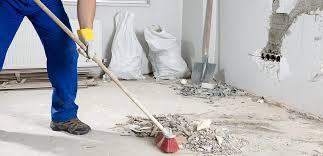
Construction and renovation projects are transformative by nature, turning empty or outdated spaces into fully functional, aesthetically pleasing environments. Yet, once the last nail is hammered or the paint dries, a substantial challenge remains: the remnants of the construction process. Dust, debris, leftover materials, and chemical residues can permeate every corner of a property, preventing it from being usable or visually appealing. This is where a post construction clean becomes essential. It is not merely a routine cleaning task but a meticulous process designed to prepare newly built or renovated spaces for immediate occupancy, while safeguarding the health and comfort of those who will use them.
A post construction clean differs significantly from regular household cleaning. Ordinary cleaning routines are designed to manage everyday dirt and clutter, whereas post construction cleaning addresses the complex aftermath of a construction project. From fine dust particles that settle into ventilation systems to stubborn adhesives on surfaces, this type of cleaning requires specialized tools, expertise, and a systematic approach to restore spaces to their intended condition. Understanding the intricacies of post construction cleaning is crucial for homeowners, property managers, and construction professionals seeking to ensure a safe, pristine, and functional environment.
Why Post Construction Clean is Essential
The completion of a construction project often leaves spaces filled with fine dust, sawdust, plaster residues, and remnants of packaging. If left untreated, these materials can compromise the aesthetics, functionality, and safety of a property. Dust and chemical residues, for instance, may cause allergic reactions, respiratory irritation, or even long-term health problems for occupants. Beyond health concerns, debris can also damage newly installed fixtures, scratch delicate surfaces, and obscure the beauty of the completed project.
A thorough post construction clean addresses these issues systematically. It allows for the removal of debris, polishing of surfaces, and restoration of spaces so that the property is not only habitable but also visually impressive. Moreover, a professional clean can reveal any imperfections or finishing issues that might otherwise go unnoticed, allowing for corrections before the space is used. In essence, post construction cleaning is the bridge between the completion of a construction project and the full enjoyment of the finished space.
Stages of Post Construction Clean
Professional post construction cleaning is typically organized into multiple stages, each designed to tackle specific challenges. These stages ensure thoroughness and prevent damage to the newly completed property.
Initial or Rough Clean: The first stage focuses on removing larger debris, such as scrap wood, excess drywall, nails, and packaging materials. This phase also addresses the initial dust accumulation on floors, countertops, and visible surfaces. The rough clean prepares the property for more detailed cleaning by eliminating obstacles that could interfere with subsequent stages.
Intermediate Clean: Following the rough clean, the intermediate phase targets finer dust, smudges, and residues left on surfaces. Walls, ceilings, window sills, and fixtures are carefully wiped down, while floors are swept and vacuumed using industrial-grade equipment. Adhesive residues, paint splatters, and grout residues are addressed during this stage, requiring specialized techniques and tools to avoid damaging delicate surfaces.
Final Clean: The final clean is the most detailed phase, designed to make the property move-in ready. This includes deep cleaning of all surfaces, polishing fixtures, sanitizing bathrooms and kitchens, and ensuring that all high-touch areas are thoroughly cleaned. Windows are streak-free, cabinets are wiped down, and floors shine without scratches or smudges. The final clean often involves professional equipment such as HEPA-filtered vacuums, floor scrubbers, and microfiber cloths to guarantee an impeccable finish.
Tools and Techniques for Effective Cleaning
A successful post construction clean depends on the use of proper tools and techniques. Industrial vacuums with HEPA filters capture fine dust particles that ordinary vacuums cannot, while microfiber cloths effectively remove dust from delicate surfaces without causing scratches. Scrapers and putty knives help remove stubborn adhesives or paint residues, and pressure washers can be employed for exterior cleaning. Additionally, floor scrubbers and specialized cleaning solutions ensure that floors, tiles, and hard surfaces are restored to their original condition.
Proper technique is just as important as the tools themselves. Cleaning must proceed from top to bottom, starting with ceilings and walls before moving to counters and floors, to prevent dust from settling on already cleaned surfaces. Ventilation is another key consideration; opening windows and doors during cleaning helps reduce airborne dust, while HEPA-filtered air purifiers further improve air quality.
Health and Safety Considerations
Construction dust and residues can pose significant health risks if not properly managed. Fine particles, often invisible to the naked eye, can irritate the respiratory system, trigger allergies, or exacerbate pre-existing conditions such as asthma. Chemical residues from paint, adhesives, or sealants can also pose hazards if inhaled or ingested.
Professional post construction cleaning addresses these risks through protective measures and proper handling of materials. Cleaners wear gloves, masks, and protective eyewear, and they employ ventilation strategies to reduce airborne particles. Thorough cleaning of HVAC systems, vents, and ductwork ensures that dust and debris do not remain suspended in the air after the cleaning process is complete.
Environmental Responsibility in Cleaning
Modern post construction cleaning increasingly emphasizes sustainability. Environmentally conscious practices include using biodegradable cleaning agents, reducing water consumption, and responsibly disposing of construction debris. Materials such as metal, wood, and plastics can be recycled rather than sent to landfills, minimizing environmental impact. Eco-friendly practices not only benefit the planet but also contribute to healthier indoor environments, free from harmful chemical residues.
Professional Services vs. DIY Cleaning
While some property owners attempt post construction cleaning themselves, professional services offer considerable advantages. Professionals have the expertise, experience, and equipment to handle large-scale debris, delicate surfaces, and stubborn residues without causing damage. They can efficiently clean entire properties, from residential homes to commercial spaces, often completing tasks in a fraction of the time it would take a homeowner.
Professional services also provide a level of thoroughness that is difficult to achieve with DIY methods. Every surface, from high shelves to ventilation ducts, is addressed. Special attention is given to areas that are easy to overlook but critical for both aesthetics and hygiene. By hiring professionals, property owners can ensure that their spaces are safe, functional, and visually impressive immediately after construction.
Challenges in Post Construction Clean
Post construction cleaning is not without its challenges. Fine dust particles can infiltrate every corner, making them difficult to remove entirely. Residues from adhesives, grout, or paint require careful attention and specialized cleaning techniques. Newly installed surfaces, including hardwood floors, stone countertops, and stainless steel fixtures, can be easily damaged if cleaning is not performed correctly. Additionally, large commercial or industrial spaces may present logistical challenges due to scale and complexity.
Anticipating these challenges and planning cleaning strategies accordingly is essential. A systematic approach, combined with professional expertise, ensures that spaces are thoroughly cleaned without compromising the integrity of newly installed materials.
Tailored Approaches for Different Property Types
Different types of properties demand customized post construction cleaning methods. In residential properties, attention is focused on kitchens, bathrooms, living areas, and bedrooms, with careful handling of delicate fixtures and surfaces. In commercial buildings, the emphasis may be on office spaces, communal areas, lighting systems, and HVAC ducts. Industrial sites require heavy-duty cleaning of machinery, floors, and equipment, often under strict safety protocols. Tailoring the cleaning approach ensures that the unique requirements of each property are met efficiently and effectively.
Benefits of Comprehensive Post Construction Clean
The benefits of a thorough post construction clean extend far beyond appearance. It enhances safety by removing hazardous dust and debris, improves air quality, and ensures that all areas of the property are functional. Clean surfaces and polished fixtures showcase the quality of construction, while meticulous attention to detail can reveal imperfections or finishing issues before occupancy. Long-term, proper post construction cleaning helps preserve the longevity of materials and reduces the need for frequent maintenance. Most importantly, it provides peace of mind, allowing occupants to enjoy their newly completed spaces immediately and confidently.
Conclusion
A post construction clean is a critical step in completing any construction or renovation project. It transforms a site filled with dust, debris, and residues into a safe, functional, and visually stunning environment. By addressing every surface, from ceilings and walls to floors and fixtures, post construction cleaning ensures that spaces are ready for immediate use while safeguarding the health and comfort of occupants.
Professional post construction cleaning combines specialized tools, techniques, and expertise to tackle the unique challenges posed by construction projects. Whether for residential, commercial, or industrial properties, a thorough clean enhances aesthetics, supports functionality, and ensures long-term preservation of newly installed materials. In essence, it is the final, indispensable stage that bridges the gap between construction completion and a fully realized, usable space, allowing property owners to fully appreciate the results of their investment.