
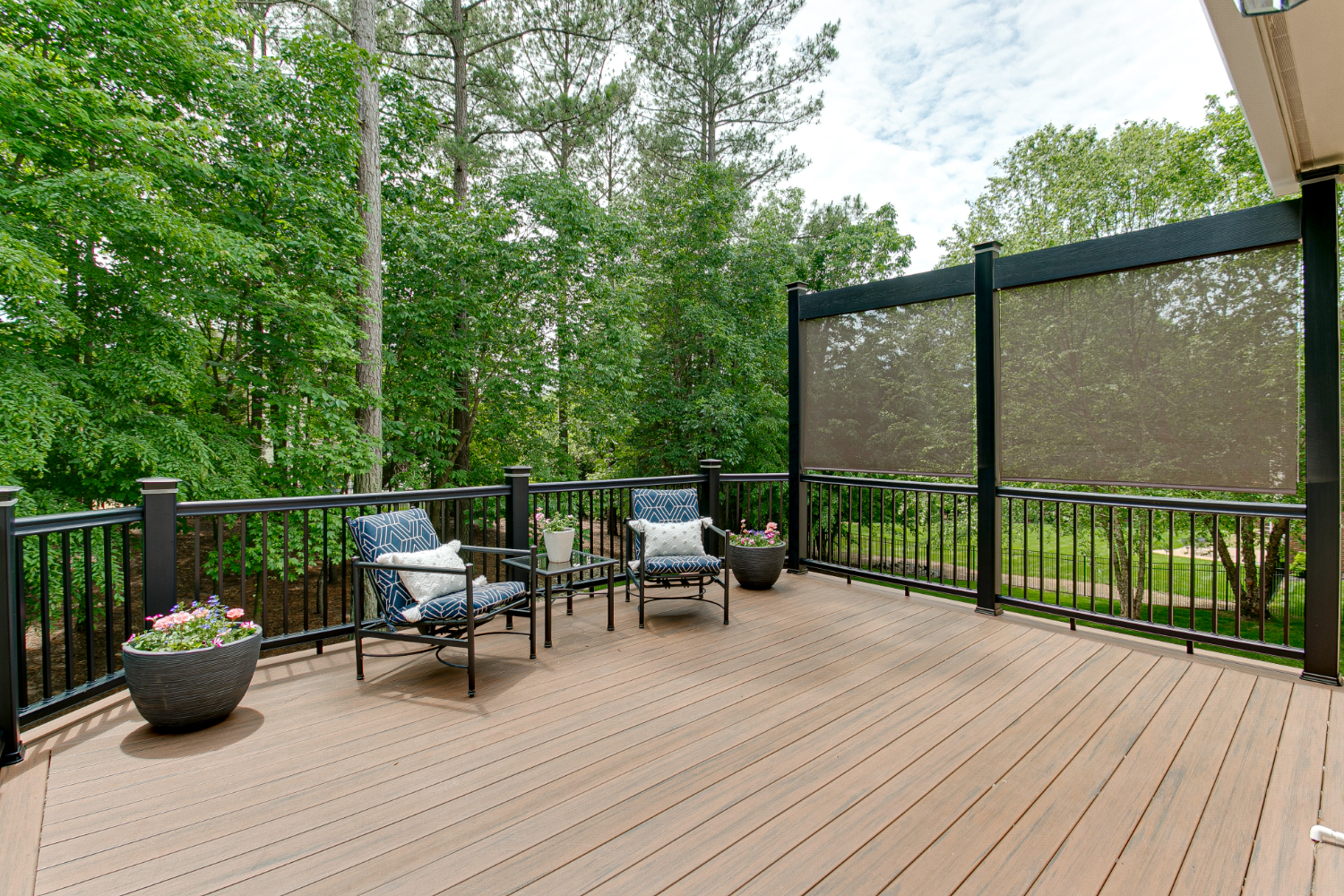
Decks are an essential extension of any home, providing a space for relaxation, entertainment, and enjoying the outdoors. Over time, constant exposure to sunlight, rain, temperature fluctuations, and heavy foot traffic can take a toll on even the most durable deck materials. Boards may splinter, railings may loosen, and structural components can weaken, creating potential safety hazards and diminishing aesthetic appeal. Regular maintenance and timely deck repair are crucial for prolonging the life of a deck, maintaining structural integrity, and enhancing the overall value of a property. Proper repair ensures that the deck remains functional, visually appealing, and safe for daily use, making it a worthwhile investment for homeowners.
Why Deck Repair Is Important
Decks face continual exposure to environmental factors such as moisture, sunlight, and wind, which can lead to wear, decay, and structural issues over time. Delaying repair can result in significant problems, including unsafe walking surfaces, collapsing railings, or the need for complete deck replacement. Safety is a primary concern, as loose boards, unstable railings, and damaged stairs increase the risk of injury for family members and guests. Structural integrity is another critical aspect, as minor problems that are left unaddressed can escalate into serious damage requiring expensive solutions. A well-maintained deck also enhances aesthetic appeal by keeping the outdoor space inviting and attractive, while protecting property value. Finally, timely repair contributes to longevity, allowing homeowners to maximize the return on their original investment by extending the functional life of their deck.
Common Signs Your Deck Needs Repair
Recognizing early warning signs of damage is essential for timely deck repair. Cracked, warped, or splintered boards indicate sun or moisture damage and present both safety and usability issues. Loose or wobbly railings suggest that screws may be failing or structural support is compromised, which can create significant hazards. Rotting wood is another critical concern, often appearing in areas where water collects or around posts and beams, weakening the deck’s foundation. Rusted or corroded hardware can cause fasteners to fail, making the deck unstable. Stairs must also be checked for creaking, wobbling, or uneven surfaces, as unstable steps are particularly dangerous. Finally, fading or peeling finishes expose wood to the elements, accelerating deterioration. Early detection of these issues allows homeowners to address them before major repairs or full replacement become necessary.
Step-by-Step Deck Repair Process
Deck repair requires a systematic approach to restore both safety and visual appeal. The process begins with a thorough inspection of the deck, including the surface, railings, stairs, joists, posts, and all fasteners. Documenting areas of rot, warping, cracks, or loose hardware helps guide the repair process efficiently. Damaged boards should be carefully removed to prevent further damage to surrounding materials, ensuring a clean surface for replacement boards. Structural components such as joists, beams, and posts must be repaired or replaced first to ensure overall stability. Loose railings and damaged stairs should be reinforced or replaced to maintain safety. Once the structural work is complete, sanding smooths rough surfaces and removes old paint, stain, or splinters, preparing the deck for finishing products. Finally, applying high-quality stain or sealant protects the deck from moisture, UV damage, and wear, while a final inspection confirms the deck is safe and ready for use.
Materials for Effective Deck Repair
Selecting the right materials is vital for long-term durability and aesthetics. Pressure-treated wood is a common choice due to its affordability and resistance to insects and moisture, though it requires regular sealing. Cedar and redwood are naturally resistant to decay and insect damage while providing a visually appealing finish, but they require more maintenance. Composite decking, made from recycled wood and plastic, offers low-maintenance, long-lasting, and warp-resistant performance. PVC decking, fully synthetic, resists rot, splintering, and insect damage, though it is often more expensive. High-quality fasteners such as stainless steel screws or galvanized bolts are also essential to prevent rust and ensure structural stability. Using the right materials not only addresses existing damage but also reduces the likelihood of recurring issues.
Preventative Maintenance Tips to Avoid Frequent Repairs
Maintaining a deck after repair is critical for prolonging its life and preventing further damage. Regular cleaning removes dirt, debris, and mildew that can accelerate deterioration. Biannual inspections of boards, railings, and hardware allow early detection of potential issues. Applying a fresh coat of stain or sealant every two to three years protects the wood from UV exposure and moisture damage. Debris should be removed from gaps between boards to prevent water accumulation, and nearby vegetation should be trimmed to reduce excess moisture and insect problems. Addressing minor repairs immediately prevents small issues from becoming major structural problems. By following these preventative maintenance practices, homeowners can ensure that their deck remains safe, functional, and attractive for years to come.
When to Consider Full Deck Replacement
While many issues can be resolved with repairs, there are situations that warrant a complete deck replacement. If a significant portion of the boards or structural components is rotted or damaged, if the deck consistently fails safety inspections, or if the supporting structure has extensive corrosion, replacement may be the most practical option. Decks that have exceeded their functional lifespan, typically between 15 and 25 years depending on materials, may also benefit from replacement. A full deck replacement allows homeowners to upgrade design, materials, and safety features, providing a long-term solution that enhances both function and aesthetics.
Benefits of Timely Deck Repair
Timely deck repair provides multiple advantages. It enhances safety by addressing loose boards, unstable railings, and damaged stairs. Maintaining a repaired deck improves property value, as a well-kept outdoor space is attractive to potential buyers. Repairs extend the deck’s lifespan, delaying the need for full replacement, while also keeping the surface visually appealing and inviting. Addressing damage early is also cost-effective, as small repairs are far less expensive than extensive structural reconstruction. Consistent maintenance and timely repair ensure that the deck remains a central, functional, and aesthetically pleasing feature of the home’s outdoor living area.
Conclusion
Decks are vital elements of outdoor living spaces, offering areas for relaxation, entertainment, and family gatherings. Neglecting regular maintenance and repair can lead to safety hazards, structural instability, and costly replacements. Proper deck repair in Seattle addresses damage, enhances aesthetics, ensures safety, and prolongs the lifespan of the deck. From identifying common problems and selecting appropriate materials to performing structural repairs and applying protective finishes, a systematic approach guarantees long-lasting results. Timely repairs not only protect a homeowner’s investment but also preserve the functionality and beauty of the outdoor space. A well-maintained deck continues to provide a safe, attractive, and enjoyable environment for family, friends, and all outdoor activities, ensuring that it remains a valuable and central feature of the home for many years.