
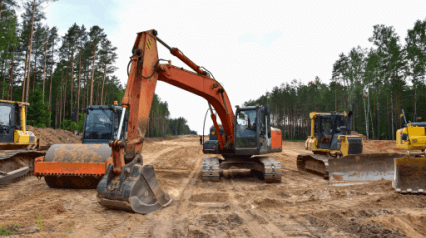
Land clearing is a crucial step in the development of any property, whether it is intended for construction, agriculture, or landscaping. It involves the removal of trees, shrubs, bushes, stumps, rocks, and other obstacles that may prevent the land from being usable. The process not only prepares the ground for construction but also ensures safety, accessibility, and proper land utilization. Proper land clearing requires planning, professional equipment, environmental awareness, and safety precautions. In this article, we will explore land clearing in detail, including its types, methods, equipment, benefits, environmental considerations, and safety measures.
What is Land Clearing?
Land clearing refers to the process of removing all unwanted vegetation and obstacles from a piece of land to make it suitable for construction, farming, or other purposes. This step is essential because undeveloped land can contain thick brush, trees, stumps, rocks, or debris that interfere with building foundations, drainage systems, roads, or agricultural activity.
Land clearing is not just about cutting trees and shrubs; it is a complex process that often involves grading, leveling, and preparing the soil to ensure long-term stability and productivity. The quality of land clearing directly affects the success of any subsequent project, making it a critical investment.
Why Land Clearing is Important
Proper land clearing has multiple benefits that go beyond simply creating an open space. Some of the key advantages include:
- Enhanced Safety: Removing trees, stumps, and debris reduces the risk of accidents and creates safer working conditions.
- Better Accessibility: Open land allows machinery, vehicles, and personnel to move freely, which is critical for construction and farming.
- Efficient Land Use: Cleared land can be used optimally for buildings, farming, or recreational activities.
- Improved Aesthetics: Clearing overgrown vegetation gives the land a cleaner, more organized appearance.
- Reduced Risk of Pests and Fire: Overgrown areas are breeding grounds for pests and can pose fire hazards.
By understanding these benefits, landowners can appreciate why investing in professional land clearing is worthwhile.
Types of Land Clearing
Different projects require different approaches to land clearing. The type of clearing depends on vegetation density, terrain, and the purpose of the land. Common types include:
- Brush Clearing: Removing shrubs, bushes, and smaller trees to make the land usable for construction or farming.
- Tree and Stump Removal: Targeted at larger trees and their roots, which can obstruct foundations or fields.
- Grading and Leveling: After removing vegetation, land is often leveled to ensure proper drainage and to prepare for construction or planting.
- Rock and Debris Removal: Ensuring that large rocks, construction debris, or natural obstacles are removed from the site.
- Agricultural Clearing: Preparing fields for planting by clearing vegetation while maintaining soil fertility.
Each type of clearing has its own techniques and equipment requirements, which will be discussed in the following sections.
Methods of Land Clearing
Land clearing can be done manually, mechanically, or chemically, depending on the size of the land, density of vegetation, and budget.
1. Manual Clearing
Manual clearing involves cutting down trees, shrubs, and brush using hand tools like axes, machetes, saws, and chainsaws. This method is labor-intensive but allows precision and is often used for small properties or sensitive areas where machinery may cause damage.
2. Mechanical Clearing
Mechanical clearing is the most common method for large-scale projects. It uses heavy machinery such as bulldozers, excavators, mulchers, and skid steer loaders to remove trees, stumps, and brush quickly and efficiently. Mechanical methods are faster, reduce labor costs, and can handle tough terrains and dense vegetation.
3. Chemical Clearing
Chemical clearing involves applying herbicides to control unwanted vegetation. While it is less labor-intensive and cost-effective, chemical methods must be used carefully to avoid environmental damage, soil contamination, and harm to surrounding plants.
Equipment Used in Land Clearing
Modern land clearing relies heavily on specialized equipment to improve efficiency, safety, and precision. Common equipment includes:
- Bulldozers: For pushing, leveling, and clearing large areas of land.
- Excavators: Used to remove stumps, trees, and heavy vegetation.
- Brush Mowers and Mulchers: Cut and grind brush, shrubs, and small trees.
- Chainsaws: Essential for cutting trees and large branches.
- Skid Steer Loaders: Compact machines ideal for maneuvering in tight spaces.
- Dump Trucks: For transporting debris, rocks, and soil offsite.
Using the right equipment ensures that land clearing is done safely, efficiently, and in a manner that prepares the site for the next stage of development.
Steps in the Land Clearing Process
A structured approach is essential for effective land clearing. The typical process includes:
- Site Assessment: Examine the land to identify vegetation, obstacles, soil type, and potential hazards.
- Planning and Permits: Develop a detailed plan, including clearing methods, equipment, and debris disposal. Obtain necessary permits if required.
- Vegetation Removal: Clear trees, shrubs, bushes, and stumps using appropriate methods and machinery.
- Grading and Leveling: Ensure the land is level and suitable for construction, farming, or other purposes.
- Debris Management: Collect, transport, and dispose of removed vegetation and debris responsibly.
- Final Inspection: Ensure the cleared land meets project requirements and is safe and usable.
Safety Considerations in Land Clearing
Land clearing involves significant risks due to heavy machinery, falling trees, uneven terrain, and hidden obstacles. Safety should always be a top priority. Key safety measures include:
- Protective Gear: Workers should wear helmets, gloves, boots, and eye protection.
- Proper Training: Operators should be trained and experienced in using land clearing equipment.
- Site Inspection: Identify hazards like underground utilities, rocks, and unstable soil before starting.
- Emergency Preparedness: Have first aid kits, fire extinguishers, and communication protocols in place.
- Safe Practices: Maintain safe distances from machinery, follow proper cutting techniques, and adhere to standard operating procedures.
Adhering to safety protocols reduces the risk of accidents and ensures a smooth project workflow.
Environmental Considerations
Land clearing can have a significant impact on the environment. Responsible land clearing involves minimizing soil erosion, protecting wildlife habitats, and managing vegetation sustainably. Best practices include:
- Erosion Control: Use silt fences, mulching, and retaining walls to prevent soil loss.
- Selective Clearing: Preserve trees and vegetation in critical areas.
- Recycling Debris: Convert removed vegetation into mulch or compost.
- Soil Conservation: Avoid excessive soil compaction to maintain fertility.
- Water Management: Ensure proper drainage to prevent flooding and waterlogging.
Environmentally responsible land clearing ensures sustainability while maintaining land usability.
Benefits of Professional Land Clearing Services
Hiring a professional and clearing in Hurricane service has several advantages:
- Expertise: Experienced operators know how to handle various types of terrain and vegetation.
- Efficiency: Proper equipment and planning reduce time and labor costs.
- Safety: Professional services adhere to strict safety protocols.
- Environmental Responsibility: Professionals follow sustainable clearing practices.
- Project Management: Coordinated work ensures projects stay on schedule and within budget.
Investing in professional land clearing ensures that your land is prepared efficiently, safely, and sustainably.
Conclusion
Land clearing is an essential step in preparing land for construction, agriculture, or landscaping. It involves the removal of vegetation, obstacles, and debris to create safe, accessible, and usable land. Proper land clearing requires planning, the right equipment, skilled operators, and environmental responsibility.
By understanding the types, methods, and benefits of land clearing, property owners and developers can make informed decisions and ensure their projects are completed safely, efficiently, and sustainably. Professional land clearing services provide the expertise, equipment, and management necessary to transform undeveloped land into a productive and usable space. Whether you are preparing land for construction, farming, or landscaping, land clearing is the foundation for long-term success and effective land use.