
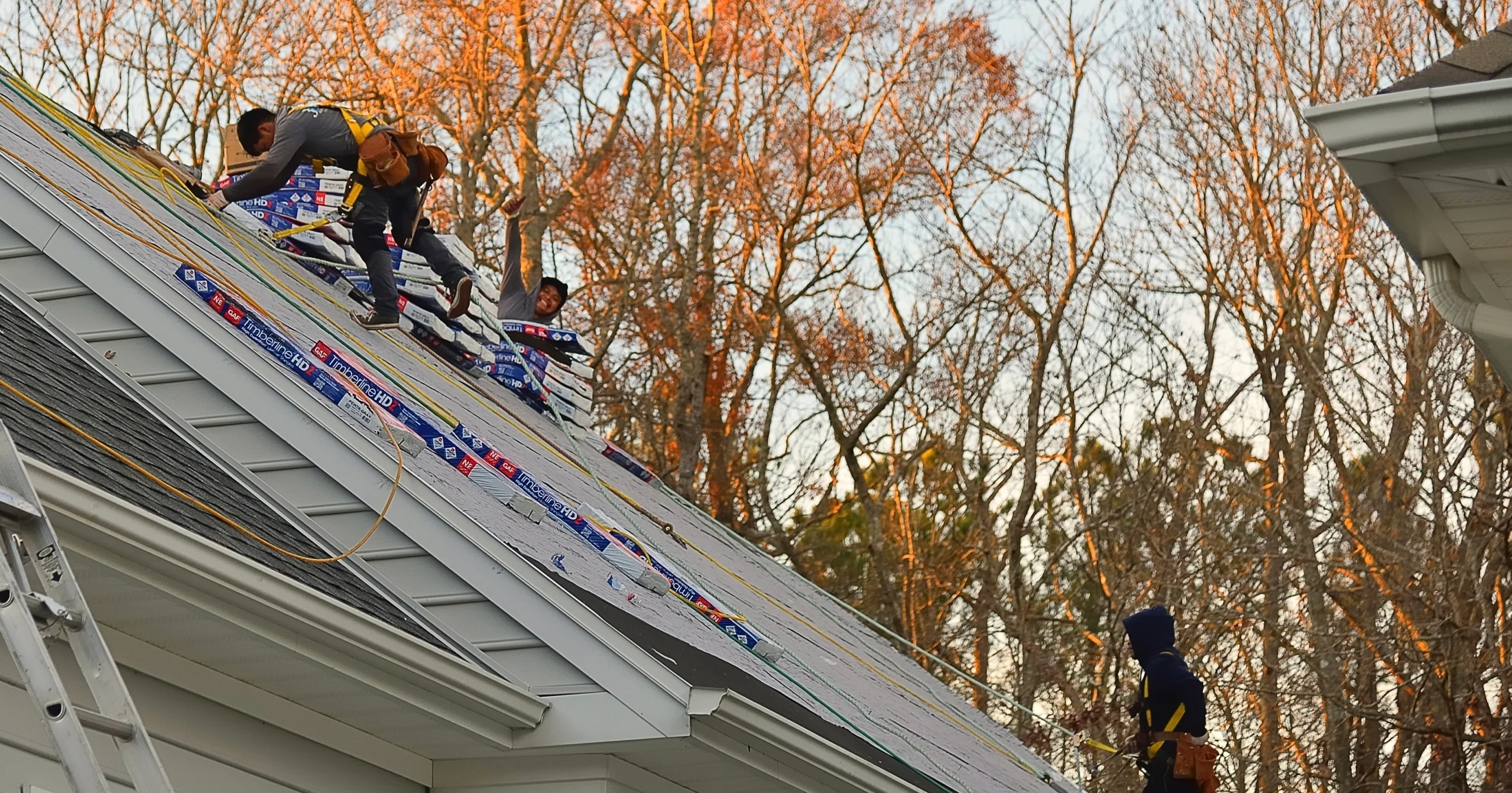
Roofs are among the most essential components of any structure, yet many people underestimate just how complex and vital they are. A roofing system is more than the visible layer of shingles or tiles; it is a coordinated system of materials working together to protect, insulate, and preserve a building from top to bottom. Every roof is exposed to constant stress from harsh sunlight to heavy rain, from wind pressure to seasonal temperature shifts and each factor slowly affects the health of the structure. Because of this constant exposure, even small problems can become major vulnerabilities if they go unnoticed. This is why understanding how roofs function, how they deteriorate, and how to preserve them is important for every property owner seeking long-term stability and safety.
The roof plays multiple roles simultaneously. It helps regulate interior temperatures, provides insulation, shields the building from water damage, prevents structural weakening, and affects energy efficiency. Without proper care, roofs can weaken quietly over time. Homeowners often discover problems only after interior damage appears, such as ceiling stains, peeling paint, mold growth, or changes in indoor temperature. These kinds of issues can indicate deeper concerns that require immediate attention, whether that means professional inspection or even complete roof repair. Ignoring these early warning signs often leads to higher costs and significantly more damage.
A Deep Look at Roofing Materials and How They Perform Throughout Their Lifespan
Roofing materials influence the longevity, appearance, and performance of the entire roofing system. Asphalt shingles, which are commonly chosen for their affordability and versatility, can last several decades depending on the quality of the materials and the level of maintenance they receive. Modern shingles come in various styles and colors, offering durability and enhanced weather resistance. While asphalt is cost-effective, homeowners must still remain proactive with inspections and roof maintenance to ensure maximum lifespan.
Metal roofing has surged in popularity due to its strength, energy efficiency, and ability to withstand harsh weather. Materials like steel, aluminum, copper, and zinc offer long-term durability and resistance to fire, moisture, and environmental wear. Metal panels often require less maintenance than many other roofing systems, and their ability to reflect sunlight can help reduce indoor heat absorption during warmer seasons.
Tile roofing, made from clay or concrete, is known for extreme longevity and distinctive beauty. These materials withstand intense sunlight, heavy rain, and strong wind far better than many alternatives. Their weight requires strong structural support, but once installed, tile roofs can last generations. Slate roofing represents one of the most premium choices available, offering unmatched durability and elegance. Slate tiles can last more than a century, and while the upfront investment is significant, the longevity and minimal maintenance requirements make it a choice that many homeowners consider worthwhile.
Flat roofing systems, often used in modern architectural designs, depend heavily on proper drainage and membrane integrity. Materials such as TPO, EPDM, or modified bitumen require precise installation. When properly maintained, these systems offer long-lasting protection, but when neglected, they are more susceptible to leaks and the need for specialized roof repairs or membrane restoration.
How Proper Installation Determines Long-Term Roofing Performance
A roof can only perform as well as it has been installed. Even the highest-quality materials cannot function correctly if they are placed improperly. Installation errors, even small ones, can cause chronic problems that impact the structure beneath the roof. For example, insufficient fastening can lead to shifting shingles, improper underlayment installation can allow moisture to penetrate, poorly fitted flashing can lead to leaks around vulnerable areas, and incorrect sealing techniques can make the roof highly susceptible to water infiltration.
Ventilation is another critical factor in roofing performance. A roof must breathe, and proper airflow helps regulate attic temperature, reduce humidity buildup, and prevent mold growth. When ventilation is inadequate, attic heat increases, causing shingles to age faster and contributing to higher energy bills. Insulation complements ventilation by improving energy efficiency and regulating indoor comfort. Insufficient insulation can cause heat loss in colder months and increased heat transfer during warmer months, placing additional strain on heating and cooling systems.
Together, proper installation, ventilation, and insulation create a balanced environment that protects the roof from premature deterioration. Without these elements, property owners may be faced with expensive and unexpected roof repair needs sooner than anticipated.
Identifying the Warning Signs That Indicate Roof Problems
Early detection is one of the most important parts of protecting a roof. Minor issues often begin as small, barely noticeable changes that gradually grow into more serious problems. Over time, simple defects like cracked shingles, lifted edges, or missing granules can evolve into leaks, structural rot, and mold development. Recognizing the signs early allows homeowners to schedule timely assessments and avoid deeper structural issues.
Exterior clues of roofing problems include curling shingles, visible gaps, damaged flashing, worn seals around chimneys or vents, and bits of shingle granules accumulating in gutters. These are signs that the roof has begun to break down and may require professional intervention. Inside the home, warning signs include water stains on ceilings, peeling paint, bubbling wallpaper, musty odors, and unexpected drafts. These symptoms often appear only after water has already seeped into the roofing layers or attic space.
Flat roofs show deterioration differently. Ponding water, soft areas, blisters in the membrane, or cracks around seams are clear indicators that the surface is no longer watertight. These problems, if ignored, can lead to widespread water damage that requires immediate roof restoration to protect the structure beneath.
The Importance of Preventive Maintenance for Roof Longevity
Preventive maintenance remains the most cost-effective and productive strategy for keeping a roof in excellent condition. Regular inspections ensure that potential issues are caught early. Cleaning gutters frequently prevents water from backing up and causing moisture infiltration under roofing materials. Removing debris from the surface of the roof eliminates unnecessary weight and prevents moisture buildup that can contribute to microbial growth or material decay.
Routine checks on seals, flashing, and fastening points help prevent leaks. Professional inspections are especially important because trained roofing specialists understand where problems tend to develop first and can detect subtle issues that homeowners may overlook. With consistent maintenance and periodic evaluations, the need for expensive roof repair is greatly reduced, and the roof’s useful lifespan increases considerably.
Why Professional Roofing Services Offer Irreplaceable Value
Roofing work requires specialized skill, technical knowledge, and strict safety measures. Attempting to inspect or repair a roof without proper training can lead to injuries or significant damage to the roofing materials. Professional roofing teams understand how roofing systems connect, how to diagnose performance issues, and how to implement long-lasting solutions that align with industry standards and manufacturer recommendations.
Reliable roofing professionals provide accurate assessments, recommend the best materials, use proper equipment, and perform installation or roof restoration work with precision. They ensure each component from underlayment to ridge caps is secured and functioning. They also provide warranties that protect homeowners in the long term, offering confidence long after the work is completed. Working with qualified professionals ensures the safety, durability, and performance of the entire roofing system.
Choosing the Right Roofing Experts for Installation and Long-Term Care
Selecting the right roofing professionals plays a significant role in protecting your investment. Property owners should look for licensed and insured specialists with a strong reputation and verifiable experience. Reading reviews, requesting references, and examining past project results help ensure the team is reliable. A reputable roofing service provider offers detailed written estimates, transparent pricing, clear timelines, and an understanding of the materials best suited to the homeowner’s goals and budget.
Professionals also guide homeowners through maintenance strategies that support long-term roof health. Their expertise ensures that repairs, upgrades, and installations meet both industry standards and specific structural needs, preventing unnecessary complications in the future.
Modern Roofing Innovations Shaping the Future of Home Protection
As technology evolves, roofing continues to advance with innovative solutions designed to improve energy efficiency, sustainability, and structural performance. Solar-integrated roofing options now allow homeowners to generate clean energy without compromising aesthetic appeal. Cool roofing materials reflect sunlight and reduce indoor heat absorption, lowering energy consumption in warm climates. Living roofs, which incorporate vegetation and soil layers, provide natural insulation, stormwater absorption, and environmental benefits.
Recyclable and eco-friendly roofing products are also becoming more common, offering long-term durability while reducing waste. These advancements give homeowners more choices than ever before, allowing them to select materials and systems that best match their environmental goals, design preferences, and performance requirements.
Conclusion: A Strong Roof Is the Foundation of Lasting Protection
Every roof plays an essential role in ensuring the comfort, stability, and long-term value of a building. Understanding how roofing systems perform, recognizing early warning signs, choosing proper materials, and investing in maintenance all contribute to a roof that lasts for decades. Whether handling natural aging, weather damage, or unexpected structural issues, timely attention and proper care ensure that the entire building remains protected. When concerns arise, addressing them quickly through professional roof repairs or maintenance prevents deeper damage and preserves the integrity of the structure. A well-maintained roof is more than a protective shell; it is the foundation of safety, comfort, and long-term peace of mind for every property owner.