
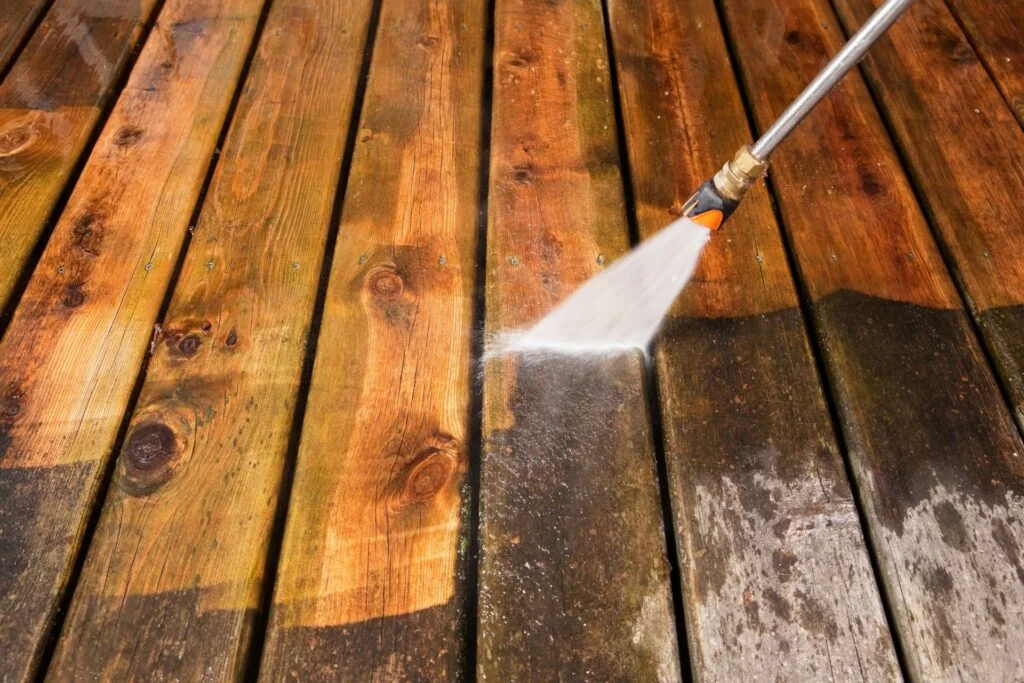
A deck is far more than an outdoor platform; it is an extension of your home, a space for relaxation, entertainment, and family gatherings. Over time, exposure to sunlight, moisture, rain, and foot traffic can take a significant toll on a deck, leaving it susceptible to dirt, grime, mold, mildew, algae, and other contaminants. Without proper care, these elements can make the deck look dull, reduce its safety, and shorten its lifespan. Regular deck washing is essential to preserve the beauty, functionality, and longevity of this important outdoor feature.
Deck washing is a careful process that goes beyond sweeping or a simple hose rinse. It involves targeted cleaning techniques and specialized solutions designed to remove harmful buildup without damaging the wood, composite, or PVC surfaces. By understanding the methods, benefits, and best practices for deck washing, homeowners can maintain a deck that remains visually appealing, structurally sound, and enjoyable for years.
What Is Deck Washing?
Deck washing refers to the systematic cleaning of your deck to remove dirt, stains, mold, mildew, algae, and other residues that accumulate over time. The process involves using cleaning solutions, brushes, and sometimes soft or low-pressure washing techniques to restore the deck’s natural appearance while preserving its structural integrity.
Deck washing is suitable for a variety of materials, including:
- Wood decks: Pressure-treated, cedar, redwood, or tropical hardwoods.
- Composite decks: Made from a blend of wood fibers and plastic.
- PVC decks: Synthetic materials designed to be low maintenance.
Each material requires different care methods. Older wood decks, for example, may be damaged by high-pressure washing, while soft washing or careful hand scrubbing ensures deep cleaning without harming the surface.
Why Deck Washing Is Important
Regular deck washing offers multiple advantages that go beyond appearance.
- Prevents Structural Damage: Dirt, mold, mildew, and algae can penetrate the deck surface, trapping moisture that leads to wood rot, warping, or discoloration. Cleaning removes these harmful elements, preserving the deck’s integrity.
- Enhances Safety: Slippery surfaces caused by algae and mildew can be hazardous. Deck washing eliminates these risks, ensuring a safer environment for family and guests.
- Improves Curb Appeal: A clean deck restores its natural color, removes unsightly stains, and elevates the overall look of your outdoor space, creating a welcoming atmosphere.
- Prepares for Maintenance: Washing is a necessary precursor to sealing, staining, or painting. A properly cleaned deck ensures better adhesion and longer-lasting protection from sealants or stains.
- Extends Deck Lifespan: By removing contaminants that contribute to decay and wear, deck washing prolongs the deck’s life and reduces the need for costly repairs or replacements.
Common Deck Contaminants
Decks are exposed to numerous substances that contribute to wear and damage:
- Algae and Moss: Thrive in shaded or damp areas, creating slippery surfaces.
- Mildew and Mold: Dark streaks or spots that gradually deteriorate wood fibers.
- Dirt and Debris: Leaves, pollen, and dust trap moisture and accelerate decay.
- Food and Beverage Stains: Outdoor meals often leave stubborn marks.
- UV Damage: Sunlight fades or bleaches surfaces; washing and sealing help protect against further UV damage.
Techniques for Deck Washing
Several methods are available for cleaning a deck effectively:
- Soft Washing: This method combines low-pressure water with specialized cleaning solutions, ideal for delicate or older wood decks. Soft washing penetrates fibers to kill mold, mildew, and algae at the root.
- Pressure Washing: Uses high-pressure water to remove dirt and grime. It is effective but requires caution, as excessive pressure can damage wood fibers or strip paint. Adjustable professional-grade washers are recommended.
- Hand Scrubbing: For localized stains or small decks, scrubbing with a stiff-bristle brush and deck cleaner ensures deep cleaning along the wood grain without causing surface damage.
- Chemical Deck Cleaners: Eco-friendly solutions formulated to remove mold, mildew, and stains, safe for pets, plants, and surrounding soil.
- Combination Approach: Often, the best results come from a combination of soft washing, scrubbing, and chemical cleaners, ensuring all contaminants are removed safely and effectively.
Step-by-Step Deck Washing Process
- Clear the Deck: Remove furniture, planters, grills, and other items.
- Sweep and Remove Debris: Prevent scratches by clearing leaves, dirt, and dust.
- Apply Cleaning Solution: Use a deck-specific cleaner, focusing on mold- and algae-prone areas.
- Allow Dwell Time: Let the cleaner sit to break down grime.
- Scrub the Deck: Use a soft or medium bristle brush along the wood grain.
- Rinse Thoroughly: Remove all cleaning solution and residues with low-pressure water.
- Inspect and Repeat: Address stubborn stains as needed.
- Dry Completely: Allow the deck to dry before walking on it or applying sealants.
DIY vs. Professional Deck Washing
Homeowners may choose to wash decks themselves, but professional services offer several benefits:
- Expert Knowledge: Professionals understand the right methods and solutions for various deck materials.
- Specialized Equipment: Soft washing or professional-grade washers achieve thorough results without damage.
- Safety: Elevated decks, stairs, and slippery surfaces pose risks that professionals are trained to manage.
- Long-Lasting Results: Mold, mildew, and algae are eliminated at the root, reducing regrowth and extending deck life.
Maintaining Your Deck After Washing
Maintaining a clean deck prolongs its lifespan:
- Regular Sweeping: Prevents debris accumulation and moisture buildup.
- Seal or Stain: Apply protective coatings to guard against water, UV rays, and fading.
- Trim Vegetation: Reduce shade and moisture that encourage mold growth.
- Inspect for Damage: Check for loose boards, nails, or splinters.
- Occasional Rinse: Helps prevent minor dirt from accumulating between major washes.
Common Mistakes to Avoid
- Using Excessive Pressure: High-pressure washing can damage wood fibers.
- Skipping Cleaning Solutions: Water alone does not remove mold or algae effectively.
- Neglecting Maintenance: Allowing contaminants to build up makes cleaning more difficult.
- Ignoring Manufacturer Guidelines: Deck materials have specific care instructions that must be followed to avoid damage or warranty issues.
Benefits of Professional Deck Washing
Professional services provide:
- Thorough cleaning without damaging the surface.
- Long-lasting results by eliminating mold, mildew, and algae at the source.
- Safer cleaning procedures for elevated or slippery decks.
- Proper preparation for sealing or staining, maximizing protection and durability.
Environmental and Health Considerations
Deck washing reduces mold, mildew, and algae that release spores potentially harmful to allergies or respiratory health. Eco-friendly cleaning solutions protect plants, pets, and nearby water sources, making the process safe for both your family and the environment.
Conclusion
Regular deck washing is essential for maintaining a clean, safe, and long-lasting deck. By removing dirt, mold, mildew, and algae, deck washing preserves aesthetics, protects structural integrity, and prevents safety hazards. Whether performed by homeowners or professionals, consistent cleaning ensures that your deck remains a welcoming, durable, and enjoyable outdoor space. Investing in proper deck maintenance is a small effort compared to the comfort, safety, and beauty it delivers, making deck washing a vital part of protecting your outdoor investment.